Understanding Vaping Risks: What You Need to Know About Modern Inhaled Products
A practical overview of vaping and perceived safety
The consumer conversation often asks bluntly: how dangerous are e cigarettes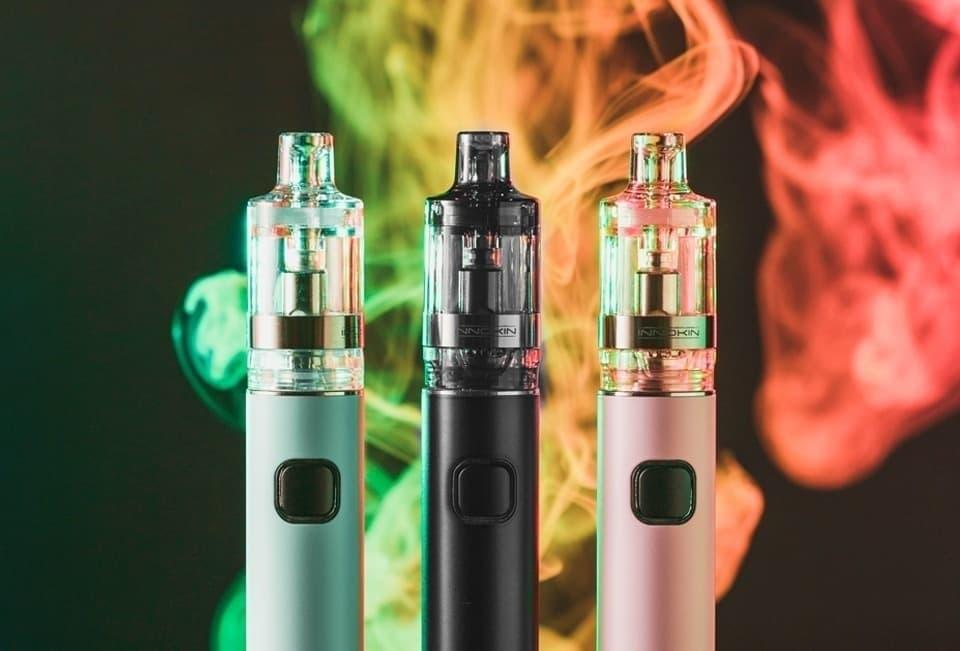 and is Vape use really safer than smoking? This long-form guide is designed to answer that question with nuance, evidence-based summaries, practical advice and a look at why some marketing narratives minimize real harms. The goal is to give readers — whether curious adults, parents, health professionals, or policy makers — a clear, structured resource that balances scientific findings with plain language explanations.
What is an e-cigarette and why does terminology matter?
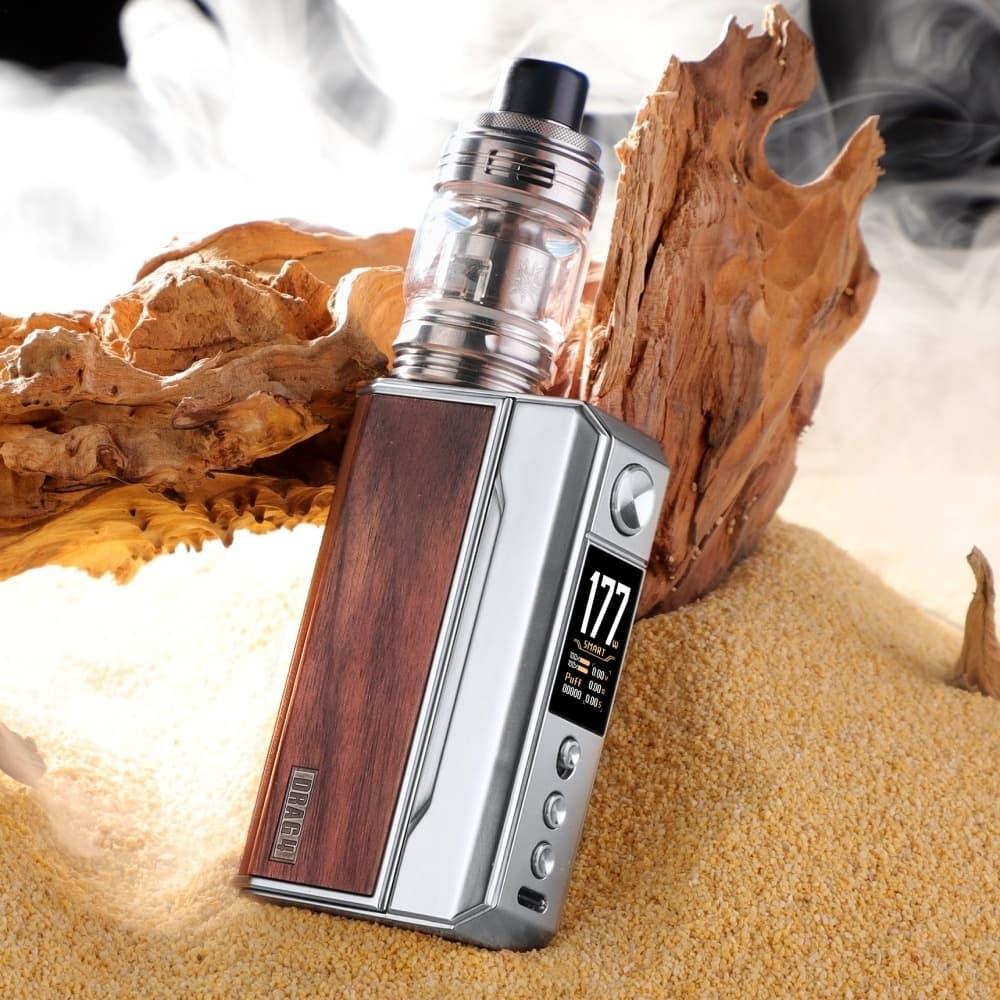
Electronic nicotine delivery systems (ENDS), commonly called e-cigarettes or Vape devices, encompass a broad range of products: cigalikes, vape pens, pod-mods, and advanced personal vaporizers. They all heat a liquid (often called e-liquid, e-juice or vape juice) to create an aerosol inhaled by the user. Key components include a battery, a heating element (coil), and a reservoir with e-liquid. The actual liquid often contains nicotine, solvents like propylene glycol (PG) or vegetable glycerin (VG), flavorings, and multiple optional additives.
Precise language matters because different devices and liquids carry different risk profiles. Saying ‘e-cigarettes’ as a monolith obscures important differences that affect both individual risk and regulatory choices.
How nicotine, flavorings and solvents affect harm
The primary pharmacological agent in many e-liquids is nicotine, a highly addictive compound. Nicotine itself is not the only concern: delivery speed and concentration can increase addiction potential. High-nicotine pod systems, for example, deliver nicotine in a form that mimics the rapid spikes associated with combustible cigarettes. Nicotine exposure affects cardiovascular physiology, fetal development in pregnancy, and adolescent brain maturation.
Solvents such as PG and VG are generally recognized as safe for ingestion but their inhalation safety is less certain. When heated, these solvents can degrade into carbonyls (formaldehyde, acetaldehyde, acrolein) which are known respiratory irritants and have associations with toxic effects. Flavoring chemicals — many approved for food use — have not all been tested for inhalation and can form harmful compounds when heated.
Therefore, the hazard is not a single ingredient but the combination of formulation, temperature, device design and user behavior.
How dangerous are e cigarettes? A spectrum of harms
Answering how dangerous are e cigarettes requires avoiding binary thinking. E-cigarettes may represent a reduced-exposure product for some adult smokers who switch completely from combustible tobacco, but they are not harmless. Harms can be grouped into acute, subacute and long-term risks.
Acute and short-term risks
- Nicotine poisoning: Overconsumption, accidental ingestion (especially by children), or intense inhalation can produce symptoms like nausea, vomiting, tremor, tachycardia, and elevated blood pressure.
- Device failures: Battery explosions and thermal injuries, while rare, have led to burns and trauma when poorly manufactured devices or improper charging are used.
- Respiratory irritation: Short-term exposure can cause cough, shortness of breath and wheeze in some users, particularly when using high-temperature or improperly constructed coils.
Subacute risks and inflammatory responses
Repeated exposure to aerosolized chemicals can produce airway inflammation, changes in lung immune responses, and exacerbation of asthma symptoms in susceptible individuals. Studies show alterations in nasal and bronchial cells after vaping, with biomarkers indicating oxidative stress and inflammation. These changes may not produce immediate disease but are physiologically significant and may predispose to longer-term problems.
Long-term risks and cancer concerns
Longitudinal data on e-cigarette users are still limited because modern devices are relatively recent. However, known toxicants (carbonyls, volatile organic compounds, some metals) found in some aerosols are associated with cancer and cardiovascular disease in other contexts. Chronic exposure to irritants and oxidants can contribute to chronic obstructive pulmonary disease (COPD)-like changes and increased cardiovascular risk. Caution is warranted: absence of decades-long cohort data does not equal absence of risk.
Population-level harms: youth epidemic and addiction
One of the clearest harms emerging in public health data is the increase in nicotine use among adolescents linked to Vape marketing and product design. Sweet and fruity flavorings, sleek devices, and social-media-fueled branding have increased youth appeal. Nicotine exposure during adolescence affects brain development, learning and impulse control, and increases the likelihood of continued tobacco product use.
Secondhand exposure and indoor air quality
Exhaled aerosol contains nicotine, fine and ultrafine particles, and volatile chemicals. While levels are generally lower than smoke from cigarettes, indoor vaping can contribute to poor air quality and expose bystanders to unwanted chemicals. Children and people with respiratory conditions are particularly vulnerable.
What the science says: evidence synthesis
Systematic reviews and public health assessments tend to agree on several points: 1) e-cigarettes are less harmful than combustible cigarettes for adult smokers who fully switch, 2) e-cigarettes are not harmless, and 3) their net population impact depends on patterns of use, especially initiation among youth and dual-use (using both vaping and smoking). Robust randomized controlled trials show that some nicotine-containing e-cigarettes can help smokers quit when combined with behavioral support, but observational evidence also shows prolonged dual-use and sporadic cessation benefits in real-world settings.
Key studies and findings
- Biomarker studies comparing exclusive e-cigarette users, smokers, and non-users show lower levels of many tobacco-specific toxicants in exclusive vapers compared to smokers.
- Acute lung injury clusters (e.g., EVALI) revealed how additives, contaminants, or illicit products can cause severe harm when heating illicit or oily substances. While many EVALI cases were linked to vitamin E acetate in THC products, the outbreak highlighted the dangers of unregulated ingredients.
- Population surveillance links flavored products and targeted marketing to increased youth use in multiple countries, prompting regulatory responses.
Why marketing sometimes hides or downplays harm
Public messaging from some companies emphasizes harm reduction for adult smokers and frames products as technology-driven solutions. While harm reduction is a valid public health concept, marketing tactics can confuse consumers by implying products are safe or that they carry no long-term risks. Key marketing strategies include:
- Flavor appeal: Youth-appealing flavors and packaging that resemble consumer electronics reduce perceived risk.
- Implicit health claims: Language like ‘clean’, ‘pure’, or ‘just vapor’ suggests harmlessness despite chemical complexity in aerosols.
- Targeted social campaigns: Influencer partnerships and lifestyle advertising normalize use among non-smokers, particularly young people.
Regulatory gaps and aggressive messaging can compound public misperception. Transparency about ingredients, emissions testing, and independent research are necessary to counterbalance marketing-driven narratives.
Regulation and quality standards
Countries vary widely in how they regulate Vape products — from full prohibition to regulated legal markets with product standards. Effective regulation can include restrictions on youth-appealing flavors, maximum nicotine concentrations, child-resistant packaging, accurate ingredient labeling, and controls on advertising. Quality standards for batteries and heating elements reduce device-explosion risk. Independent laboratory analysis of emissions should inform policy and guide safer manufacturing best practices.
Practical risk-reduction tips for adults who use e-cigarettes
- If you are a smoker trying to quit: seek evidence-based cessation support and consider licensed nicotine replacement therapies (NRT) and behavioral counseling; if using electronic nicotine delivery to transition, aim for complete substitution rather than dual-use.
- Avoid modifying devices or using illicit substances in vape devices. Only use products from reputable manufacturers with transparent ingredient lists.
- Keep all e-liquids away from children and pets; even small amounts can cause poisoning.
- If pregnant or planning pregnancy, avoid nicotine in any form. Nicotine harms fetal development.
- Be mindful of indoor air and avoid vaping around children, pregnant people, and those with respiratory disease.
How clinicians can approach patient conversations
Healthcare professionals should assess tobacco and nicotine use routinely and provide personalized counseling. For adult smokers, discuss the relative risks and potential role of e-cigarettes as a cessation aid in the context of proven options. For youth and non-smokers, emphasize prevention and avoidance. Documentation should include device types, frequency, flavors used, and any adverse respiratory or cardiovascular symptoms.
Addressing misinformation and community education
Public health messaging must balance potential benefits for cigarette smokers against the need to prevent youth initiation. Transparent communication involves:
- Clear language about addiction risks.
- Disclosure of uncertain long-term harms.
- Promotion of proven cessation resources.
Community education campaigns that are culturally tailored and use multiple media channels are most effective at reaching at-risk populations, especially adolescents.
Emerging research directions
Important ongoing research areas include long-term cohort studies comparing health outcomes across never-users, exclusive vapers, exclusive smokers, and dual-users; mechanistic toxicology of heated flavoring compounds; and the cardiovascular impacts of chronic aerosol exposure. Innovation in device safety (e.g., temperature regulation, emissions control) and independent testing of marketed products are also priorities.
Clear takeaways
So, how dangerous are e cigarettes? The concise summary is: they are likely less harmful than combustible cigarettes for some adult smokers who quit smoking completely, but they are not without risk. Nicotine addiction, respiratory irritation, potential cardiovascular effects, and the uncertain long-term consequences of inhaling heated flavorings and solvents are real concerns. The public-health impact depends crucially on who uses these products and how they are marketed and regulated.
Actionable advice for different audiences
- Smokers: Consider proven cessation methods first; if using e-cigarettes as a transition tool, seek help to quit nicotine entirely over time.
- Non-smokers and youth: Avoid e-cigarette use; protect peers and children by enforcing smoke-free and vape-free spaces.
- Policymakers: Prioritize youth protections, transparent ingredient disclosure, advertising limits, and product quality standards.
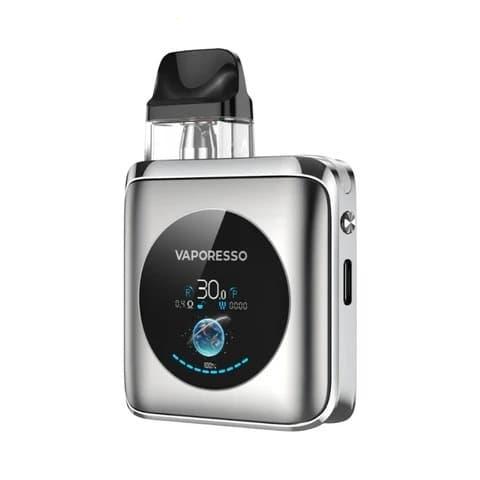 Vape health risks explained and why Vape marketing hides real harms” />
In short, a careful, evidence-informed approach balances potential individual benefit in smoking cessation with population harms from increased initiation among young people and non-smokers. Honest public health communication, tighter product standards, and continued research will help society navigate these trade-offs responsibly.
Conclusion
Vaping is a complex public-health challenge that cannot be reduced to marketing slogans or categorical claims of safety. When people ask how dangerous are e cigarettes, the best answer is nuanced: relative risk varies by user, product and behavior. Reducing overall tobacco-related harm requires both individual-level clinical care for smokers and strong population-level policies to prevent youth uptake, ensure product safety, and mandate transparent information.
Further resources
To learn more, consult peer-reviewed reviews, national public health agencies, and certified cessation programs. Independent laboratory reports on product emissions can help consumers and regulators evaluate risk more objectively.
- Q: Can e-cigarettes help me stop smoking?
- A: Some adults have used nicotine-containing e-cigarettes to quit smoking successfully, particularly when combined with behavioral support. However, they are not the only option and complete switching is critical to reduce harm; talk with a healthcare professional to choose the best cessation strategy.
- Q: Are flavored products more dangerous?
- A: Flavorings themselves are not inherently ‘more dangerous’ in all cases, but many flavoring chemicals have not been tested for inhalation and certain flavors may produce harmful thermal degradation products when heated. Flavored products also increase youth appeal, which is a major public health concern.
- Q: What should parents know?
- A: Keep all e-liquids out of reach, monitor for devices disguised as everyday items, discuss addiction risks openly with teens, and support smoke-free and vape-free rules at home and in vehicles.