Understanding Vapor, Sensors, and Practical Advice from IBvape
This comprehensive guide explores how common electronic nicotine devices interact with smoke detection systems, offering clear, evidence-based guidance and practical tips so that users of IBvape gear can reduce the chance of accidental alerts. We deliberately focus on the technical reasons detectors register particles or aerosols and on everyday behaviors that will lower risk without compromising safety. Whether you’re a new vaper or an experienced user, understanding the interplay between aerosols and alarms will help you vape responsibly and with fewer disruptions.
How Modern Smoke Alarms Work: Two Main Types
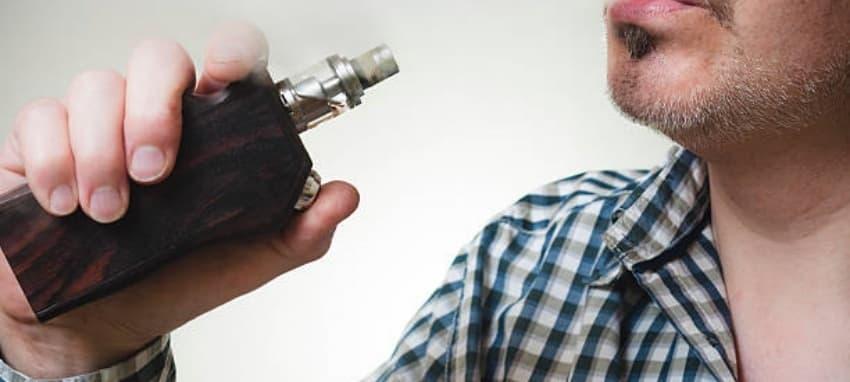
 IBvape explains will e-cigarettes set off smoke alarms and how IBvape users can avoid false alarms” />
Most residential and commercial smoke detectors employ one of two detection technologies: ionization and photoelectric. Each detects the physical presence of particles differently, and therefore each has different sensitivities to e-cigarette aerosols. Briefly, ionization sensors are most responsive to small, fast-rising combustion particles typical of flaming fires, while photoelectric sensors are tuned to larger smoke particles produced by smoldering fires. Understanding these differences helps explain why vapor clouds sometimes set off alarms and sometimes do not.
Ionization detectors
Ionization alarms contain a small amount of radioactive material between two electrically charged plates, which ionizes the air and creates a current. When particles enter the chamber, they disrupt this current and trigger the alarm. Because vape aerosol contains submicron droplets and can alter ion flow, ionization units may trigger if enough aerosol concentration reaches the sensing chamber.
Photoelectric detectors
Photoelectric sensors use a beam of light aimed away from the sensor; when particles scatter the light into the beam’s path, the detector sees an increase and activates. Large, dense vapor clouds—especially when produced in a confined space—are more likely to scatter light and set off a photoelectric alarm. However, small amounts of dispersed vapor generally do not have the same effect.
Why E-cigarette Vapor Sometimes Triggers Alarms
Several variables affect whether exhaled aerosol will engage an alarm: particle size distribution, particle concentration, relative humidity and airflow, proximity to the detector, and the detector’s sensitivity and age. E-liquids with higher vegetable glycerin (VG) content tend to produce bigger, longer-lasting clouds, raising the chance of detection. High power or temperature settings that vaporize more liquid per puff create denser visible clouds. Room geometry and ventilation are also critical: small rooms with poor ventilation allow aerosols to accumulate, and ceiling-mounted detectors are directly in the path of warm exhalations that rise.
Practical Tips for IBvape Users to Avoid False Alarms
Below are tested, practical strategies you can adopt to minimize triggering alarms, while still enjoying your device responsibly and legally. These are not recommendations to disable, cover, or tamper with smoke alarms—those actions are illegal and dangerous. Instead, these are behavioral and device-level adjustments:
- Choose lower cloud settings—If your device or coil has power settings, try operating at the lower end. Reducing wattage decreases vapor volume per puff and the chance that aerosols reach sensitive detectors.
- Opt for e-liquids with higher PG—Propylene glycol (PG) produces less visible vapor than VG-heavy blends. A shift toward a 50/50 or similar PG-rich ratio will reduce cloud size.
- Switch to pod systems—Pod devices and MTL (mouth-to-lung) setups typically produce much less aerosol than sub-ohm, direct-to-lung rigs. These styles are discreet and less likely to disturb detectors.
- Exhale carefully—Exhale downward or toward a window or fan instead of upward toward the ceiling. Warm vapor rises naturally, so directing your exhale away from detectors is effective.
- Use ventilation and air movement—Open windows and doors, or position a quiet fan to dilute and disperse aerosol before it reaches a detector.
- Avoid enclosed spaces near detectors—Bathrooms, small bedrooms, or hotel rooms with ceiling-mounted alarms are high-risk areas. If you must vape indoors, choose large rooms with good airflow or designated smoking/vaping areas.
- Timing matters—Give freshly vaped air time to clear before moving into a detector-proximate zone. Waiting 30–60 seconds after exhaling before approaching corridors or alarmed areas reduces accumulation risk.
- Respect rules and posted policies—Many public accommodations and rental properties prohibit indoor vaping. Always follow local rules and property policies to avoid safety and legal complications.
Device Maintenance and Product Selection
Choosing the right gear and keeping it well-maintained helps reduce excessive aerosol generation and unpredictability. Replace coils and wicks before they become saturated or burned, use the recommended e-liquid viscosity for your tank, and avoid chain-vaping which produces continuous vapor buildup. Selecting devices designed for stealth—lower flow rates and lower power—can make detection far less likely. When shopping, look for product reviews and community feedback focused on visible cloud production and stealth performance.
Consider airflow and coil resistance
Sub-ohm coils with wide airflow are engineered for cloud production; if stealth is important, choose higher-resistance coils with restricted airflow. These configurations typically flavor better for mouth-to-lung vaping and keep aerosol output minimal.
Safety and Legal Considerations — Never Disable, Tamper, or Cover Alarms
It cannot be stressed enough: do not deactivate, cover, or disable smoke detectors to avoid nuisance alarms. Not only is this unsafe, it may violate laws, lease terms, or hotel policies. If a detector is overly sensitive, notify property management or the building’s safety coordinator. Trained professionals can test and, if appropriate, recalibrate or replace overly sensitive units with ones better suited to the environment—particularly in mixed-use buildings where smoke and vapor sources coexist.
Real-World Scenarios and Solutions
Scenario: You live in a small apartment with a ceiling-mounted alarm near the living area. Solution: Vape near an open window with a fan positioned to blow air outwards, use a low-power pod system and exhale away from the ceiling. Scenario: You’re staying at a hotel with a no-vaping policy and mandatory smoke alarms in hallways. Solution: Do not vape in the room; instead, step outside to designated outdoor areas. Hotel staff can impose fines or evict guests who trigger alarms and violate policy.
The Science Behind Aerosol Behavior
Vape aerosol is a suspension of liquid droplets in air. Unlike combustion smoke, e-cigarette aerosol is composed of glycerin, propylene glycol, nicotine (optional), flavorants, water, and trace components. Particle size is often in the submicron to low-micron range, which overlaps with the sensitivities of some alarm types. Condensation and coagulation can cause droplets to increase in size over seconds, which means an initially invisible plume can evolve into something more detectable if it lingers in a closed space. Environmental humidity also affects particle persistence; high humidity can make aerosols remain airborne longer.
Common Misconceptions
Misconception: Any visible vapor will always trigger an alarm. Reality: Many detectors will ignore dispersed, low-density vapor if it does not reach a threshold. Misconception: Vapor is the same as smoke. Reality: Although both are aerosols, their chemical composition and particle dynamics differ, and alarms react differently based on those properties. Misconception: Tampering with alarms is harmless if it prevents false alerts. Reality: Disabling alarms endangers everyone and is often a criminal offense.
How Property Managers and Hosts Can Minimize False Alarms
For landlords and event organizers, mitigation strategies include selecting alarm technologies appropriate to the occupancy type, ensuring proper detector placement (away from kitchens, bathrooms, and HVAC outlets where possible), providing clear vaping policies, and improving ventilation. Combining smoke alarms with carbon monoxide detectors and periodic testing will improve safety while reducing nuisance activations.
When a False Alarm Happens: Responsible Steps
- Remain calm and do not disable the alarm. Evacuate if the alarm indicates danger or if building rules require it.
- If it seems to be a false alarm caused by vapor, inform building management immediately so a qualified technician can verify and reset units if safe.
- Cooperate with staff and responders. False alarms may still prompt emergency dispatch; honesty and cooperation help responders quickly clear the scene.
SEO-focused note about the primary search phrase
For clarity and discoverability we emphasize the relevant search keywords—IBvape|will e-cigarettes set off smoke alarms—throughout this resource so that users looking for reliable, actionable guidance can find steps that balance enjoyment and safety. Reiterating the phrase IBvape|will e-cigarettes set off smoke alarms in meaningful contexts helps search engines connect user intent to high-quality information rather than low-value or alarmist content.
Best Practices Summary
In short: favor less-clouding e-liquids and lower-power devices, use better ventilation, direct exhalations away from ceiling detectors, and never tamper with alarms. These simple, repeatable actions reduce the chance of setting off a smoke alarm without compromising safety.
Advanced Tips for Enthusiasts and Community Hosts
For organizers hosting vape-friendly events, consider designating well-ventilated zones, installing exhaust fans, offering low-VG e-liquid choices, and using signage to communicate responsible vaping practices. Educate participants about detector locations and emphasize a culture of respect for shared spaces. In private homes where guests vape, house rules that ask guests to step outdoors will prevent most incidents.
Technical note for curious readers
Laboratory tests show that detector responses vary widely by model, manufacturer, and age. If you want to test a specific detector’s sensitivity to vape aerosol, contact the manufacturer or a certified fire protection engineer; never conduct experiments that could disable safety devices.
Frequently Asked Questions
- Q: Can a single puff trigger a smoke detector?
- A: It’s possible but unlikely in open, ventilated spaces; single puffs are more likely to trigger alarms when taken very close to detectors in enclosed, poorly ventilated areas or when using high-output devices that make dense clouds.
- Q: Are some detectors more prone to false alarms from vaping?
- A: Yes, sensitivity varies. Older and ionization-style detectors may respond differently than newer photoelectric or dual-sensor units; placement and maintenance are equally important.
- Q: What should I do if I accidentally trigger an alarm?
- A: Evacuate if required, inform management or emergency services immediately, and follow local rules. Do not attempt to disable the alarm.

By following practical adjustments—lower power, less VG, better airflow, and mindful exhaling—IBvape users can significantly reduce the chances of triggering detectors while maintaining safety. For more product-specific guidance, consult IBvape’s user manuals and community resources, and always respect local laws and property policies. Remember that smoke alarms are life-saving devices; our goal is to coexist with them intelligently, minimizing false positives without undermining protective functions. IBvape|will e-cigarettes set off smoke alarms is a complex question with a practical answer: sometimes they can, but with awareness and conscientious habits, false alarms are avoidable.