Up-to-date analysis: e-cigarette news and why understanding ingredients matters
In a crowded landscape where regulatory updates, product innovation and public health reports appear frequently, staying informed about the latest e-cigarette news is essential for consumers, clinicians and policymakers alike. This in-depth guide synthesizes recent findings, expert commentary, and laboratory-backed explanations of what is in an e-cigarette, why those contents matter, and how to interpret ongoing safety debates. This article intentionally avoids repeating a long headline verbatim while delivering actionable insights, clear technical breakdowns and practical recommendations for safer decision-making.
Context: why tracking e-cigarette news remains critical
The market for vape devices and e-liquids evolves rapidly: new formulations, prefilled pod systems, disposable devices and illicit cartridges all emerge in cycles. Public health agencies publish periodic alerts about outbreaks, chemical hazards and device malfunctions, and courts or legislatures pass laws affecting sales and labeling. For anyone searching for authoritative e-cigarette news, it helps to know the categories of reports you will encounter: epidemiological surveillance (illness clusters and hospitalization trends), laboratory chemistry studies (what compounds are detected in vapor and e-liquids), materials science (battery and coil safety), and market analysis (product types, flavors, and youth access).
Core components: an expert breakdown of what is in an e-cigarette
The basic components of most modern vape products include: battery and power management, an atomizer or heating element, a reservoir (cartridge or tank), and the consumable liquid itself. Below is a detailed inventory of the chemical and physical ingredients you are likely to encounter.
1. Power source and mechanical parts
- Battery cells (lithium-ion): provide energy, but risk thermal runaway if damaged, improperly charged, or paired with incompatible chargers.
- Wiring and connectors: metals including copper, nickel, and tin are used; poor manufacturing can leave residues or release metal particulates when heated.
- Coils and wicking materials: commonly nichrome, kanthal, stainless steel, ceramic or mesh. Coatings, solder, and insulation components can influence emissions.
2. E-liquid base: humectants and solvents
Most e-liquids are built on solvent carriers that produce aerosol when heated. The two dominant humectants are propylene glycol (PG) and vegetable glycerin (VG). Both are food-grade when used as intended, but heating them at high temperatures can create thermal decomposition products such as aldehydes (formaldehyde, acetaldehyde, acrolein) that are respiratory irritants and potential carcinogens. The ratio of PG to VG affects throat hit, vapor density, and flavor delivery.
3. Nicotine: concentration and forms
Nicotine appears in multiple formulations: freebase nicotine and nicotine salts are the most common. Nicotine salts (often formed with benzoic acid or other organic acids) allow higher nicotine concentrations with less harshness, which is relevant to uptake and addiction potential. Lab tests also detect impurities including nitrosamines (TSNAs), though reputable manufacturers aim to minimize these through purification.
4. Flavorings and additives

Flavor chemicals come from the food-grade flavor industry, but inhalation safety profiles differ from ingestion. Diacetyl and related diketones, once found in some flavor blends, are linked to bronchiolitis obliterans (“popcorn lung”); many manufacturers removed these chemicals after industry scrutiny, but substitute flavoring agents continue to be evaluated. Other additives include organic acids (used to form nicotine salts), ethanol (as a solvent), and sweeteners. Complex flavor mixes can contain dozens to hundreds of distinct volatile organic compounds (VOCs).
5. Contaminants, impurities and unexpected chemicals
Independent testing often finds trace contaminants from manufacturing (residual solvents, reaction byproducts), heavy metals (lead, cadmium, chromium, nickel) originating from coils or solder, and breakdown products formed during heating. Illicit or counterfeit products, especially those associated with vaping-related lung injury reports, have included adulterants such as vitamin E acetate, synthetic cannabinoids, or other cutting agents that are unsafe to inhale.
6. Aerosol chemistry: what users actually inhale
When a device is activated, the liquid vaporizes and condenses into aerosol particles that transport nicotine and flavors into the lungs. Particle size distribution, temperature, and device design influence deposition patterns in the respiratory tract. Studies that analyze collected aerosols reveal a mix of parent compounds and pyrolysis products, including small aldehydes, ketones, and ultrafine particulates capable of systemic absorption.
Emerging findings highlighted in recent e-cigarette news

Recent peer-reviewed work and public health bulletins have highlighted several recurring issues: (1) illicit cartridges remain the most likely cause of acute lung injury outbreaks, particularly when additives such as vitamin E acetate are present; (2) high-nicotine salt products increase nicotine exposure and dependency risk in inexperienced users; (3) metal yields vary by device style and coil composition, with some substandard devices releasing excessive metal particles; and (4) flavor chemistry is a growing concern because long-term inhalation safety data are limited for many compounds used primarily for taste. These findings appear repeatedly across e-cigarette news and regulatory advisories.
Health risks and exposure pathways
Understanding what is in an e-cigarette is a first step; interpreting how those constituents affect health requires attention to exposure dose, frequency, and user susceptibility. Key risks include nicotine addiction (especially among adolescents), respiratory symptoms (cough, wheeze, bronchitis-like changes), cardiovascular effects (heart rate and blood pressure changes, potential vascular inflammation), and acute injury in the case of contaminated products. Vulnerable groups, such as pregnant people, adolescents, and those with pre-existing lung disease, face higher potential harms.
Risk modifiers
- Product quality: reputable manufacturers with robust quality control are less likely to contain harmful contaminants.
- User behavior: power settings, coil resistance, and puff duration control temperature and chemical yields.
- Supply chain: illicit or counterfeit cartridges have repeatedly caused severe harms.
- Dual use: combining vaping with combustible cigarette smoking carries additive health risks rather than a simple substitution effect.
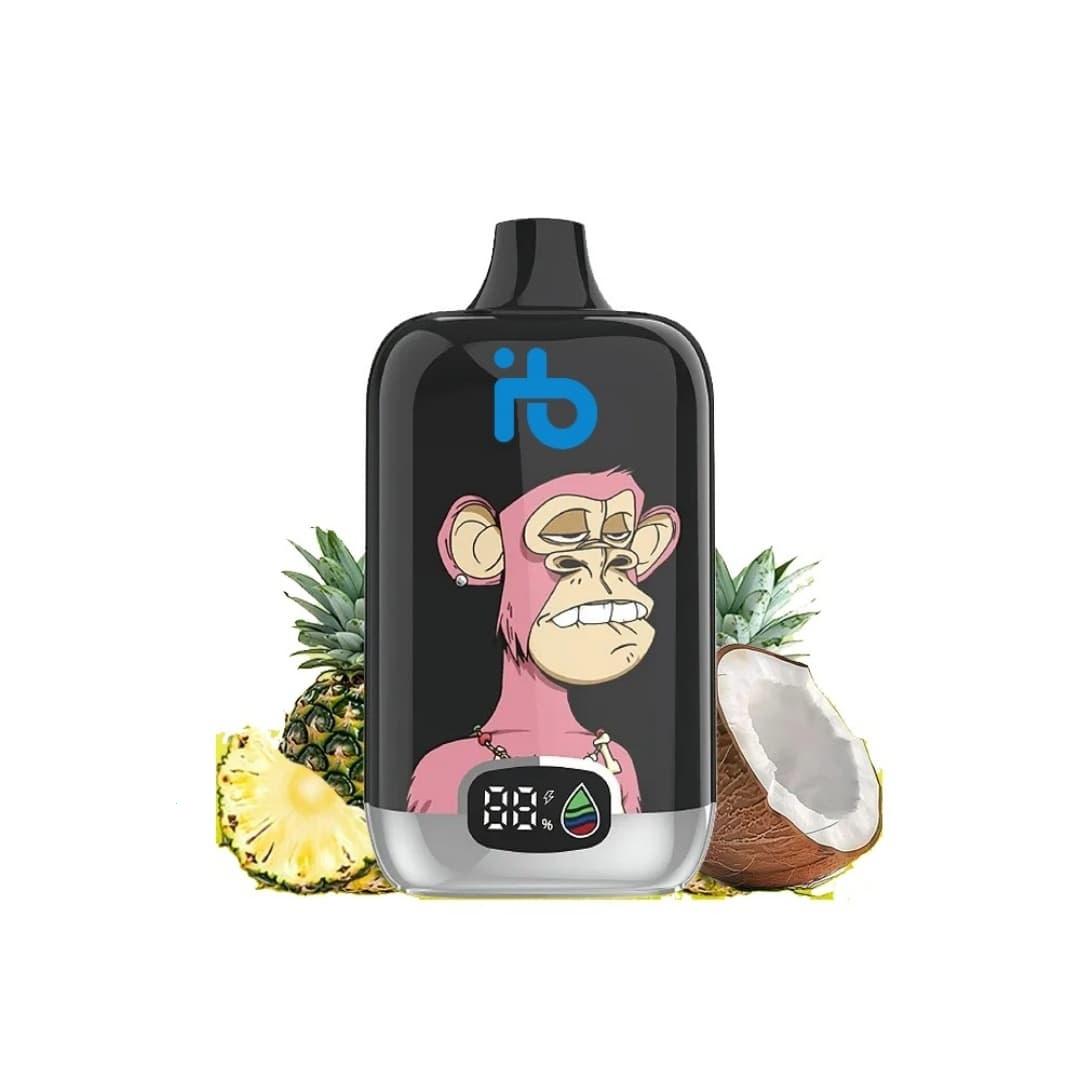
Regulation, testing, and labeling: what to watch in ongoing e-cigarette news
Regulators are increasingly focusing on premarket review, ingredient disclosure, and restrictions on youth-appealing flavors. Independent laboratory testing—using methods such as gas chromatography-mass spectrometry (GC-MS), liquid chromatography, and metal analysis—has revealed discrepancies between label claims and actual content on occasion. When looking at a product label, be cautious: some labels emphasize nicotine strength or flavor but omit solvent ratios, presence of nicotine salts, or manufacturing batch numbers. Trusted testing programs and transparent supply chains add value for consumers seeking safer options.
Practical advice based on expert interpretation of what is in an e-cigarette
Consumers cannot eliminate all risk, but informed choices reduce the probability of harm. Recommended actions include: choosing devices from reputable brands with clear labeling and third-party testing, avoiding modified or high-temperature setups unless you understand the chemistry, never using illicit or informal market cartridges, keeping devices away from children and pets, and following manufacturer guidance for battery charging and disposal. Clinicians should ask patients about device type, frequency, flavors used and any adverse symptoms. Public health professionals should prioritize surveillance and communication around outbreaks and contaminants.
Tip for clinicians: ask open questions like “What type of device and liquid do you use, and where did you buy it?” to gather details that inform risk assessment.
How scientists detect and measure ingredients
Analytical labs use a combination of targeted and untargeted methods to identify components: targeted assays quantify nicotine, PG/VG ratios, known contaminants and metal concentrations; non-targeted screening can reveal unexpected additives or adulterants. Thermal desorption coupled with GC-MS captures volatile and semi-volatile compounds from aerosols; inductively coupled plasma mass spectrometry (ICP-MS) measures trace metals. Reproducible sampling and standardized puffing protocols are essential for comparing studies and interpreting results across publications featured in e-cigarette news.
Consumer myths and common misconceptions
Some widely circulated assumptions deserve correction: “vape vapor is just water vapor” is inaccurate—it’s a complex aerosol containing solvents, flavorants and other organic compounds. “All flavors are equally safe” ignores the inhalation-specific toxicity differences. “Nicotine-free means harmless” fails to consider solvent or flavorant hazards and the potential for mislabeling. Clear, evidence-based communication—anchored to precise knowledge of what is in an e-cigarette—helps combat misinformation.
Guidance for special populations
Pregnant people should avoid all nicotine exposure due to risks to fetal development. Adolescents are at particularly high risk for nicotine addiction and subsequent cognitive and behavioral impacts. For adults using e-cigarettes as a smoking cessation aid, clinicians should weigh the benefits and harms: while some evidence supports vaping as less harmful than continued smoking for adults who switch completely, dual use or long-term use without quitting combustible cigarettes maintains health risks.
Environmental and safety considerations
Battery recycling and responsible disposal of cartridges matter. Batteries can cause fires in waste streams if not insulated and recycled properly. Spilled e-liquid, especially those with high nicotine concentrations, can be hazardous to pets and children via dermal contact or ingestion. Environmental monitoring also seeks to quantify secondhand aerosol exposure and indoor air quality impacts in shared spaces.
How to read e-cigarette news responsibly
Not all reports are equal. Prioritize primary research in peer-reviewed journals, official health agency releases, and testing data from accredited labs. Be cautious with sensational headlines that conflate all vaping products with the most harmful illicit products. When you see a new safety alert, examine whether the issue arises from product contamination, misuse, or normal device operation at extreme settings.
Action checklist for consumers
- Buy only from reputable retailers and verified manufacturers.
- Check for third-party testing or batch certificates.
- Avoid modifying devices if you are not experienced; high temperatures increase toxicant formation.
- Store e-liquids securely away from children and pets.
- Report suspicious products or adverse effects to local health authorities.
Where future research and policy are headed
Ongoing studies aim to better quantify long-term respiratory and cardiovascular outcomes, refine exposure modeling for complex aerosols, and establish standardized testing protocols. Policy priorities include better ingredient disclosure, targeted restrictions on youth-attracting flavors, and stronger supply-chain controls to limit illicit product circulation. The interplay of product innovation and public health action will continue to generate prominent e-cigarette news items.
Summary: integrating knowledge of what is in an e-cigarette with current reporting
In brief, knowing what is in an e-cigarette—from solvents and nicotine forms to flavoring chemicals and potential contaminants—enables more nuanced risk assessments and smarter public health responses. Follow verified sources, favor transparent manufacturers, and treat acute illness reports seriously. While vaping may reduce exposure to some combustion products compared with smoking, it is not risk-free, especially given variable product quality and the evolving market landscape frequently covered in e-cigarette news.
Further reading and resources
For those who want to dig deeper, look for peer-reviewed articles on aerosol chemistry, position statements from national public health agencies, and technical reports from accredited laboratories. Consumer advocacy groups and clinician guidance documents can both be useful; cross-check claims with original data files when possible.
FAQ
Q1: What chemicals should I be most concerned about?
Priority concerns are nicotine (addictive), aldehydes produced by overheating (formaldehyde, acrolein), heavy metals from coils, and any illicit additives such as vitamin E acetate that have been linked to severe lung injury.
Q2: Can flavors alone cause lung damage?
Some flavoring chemicals are safe to eat but not safe to inhale. Long-term inhalation studies are limited for many flavor compounds, so caution is warranted—especially with complex or homemade mixes.
Q3: How can I tell if a product is counterfeit or unsafe?
Red flags include unusually low price, unclear source, missing batch or manufacturing information, or packaging that lacks regulatory or safety statements. If a product causes unexpected symptoms, discontinue use and seek medical attention.