How Electronic Cigarettes Work
Electronic cigarettes operate by heating a liquid solution called e-liquid or vape juice, which typically contains nicotine, flavorings, and a base such as propylene glycol or vegetable glycerin. When heated, this solution turns into vapor, which users inhale, mimicking the sensation of smoking. Unlike combustible tobacco products, this process does not produce tar or carbon monoxide, significantly reducing health risks.
Benefits of Choosing Electronic Cigarettes Over Traditional Smoking Aids
The primary benefit of electronic cigarettes over other smoking cessation aids lies in their ability to replicate the act of smoking. This physical habit can be a critical aspect of dependency, and e-cigarettes offer a familiar tactile and sensory experience. Additionally, e-cigarettes allow users to control nicotine intake, gradually reducing levels and assisting with withdrawal symptoms.
The Role of Flavorings in Smoking Cessation
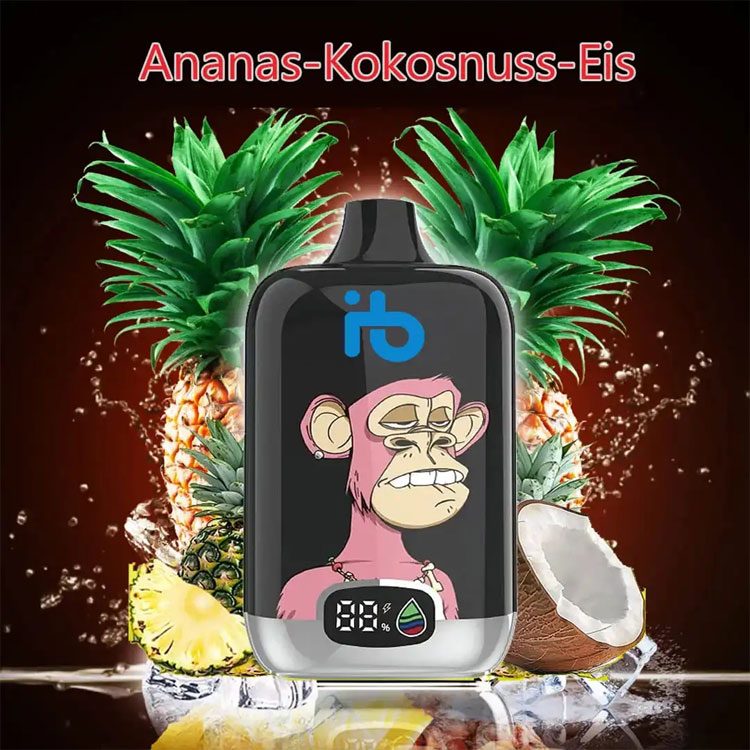
Flavors play a significant role in the e-cigarette experience, providing a wide array of choices that can make quitting smoking more appealing. Studies suggest that diverse flavor options can cater to individual preferences, making the transition away from tobacco more satisfying. While traditional cigarettes offer limited flavor variability, e-liquids come in numerous options, ranging from classic tobacco to fruity or dessert-inspired tastes.
Gradual Transition Towards Non-Nicotine Solutions
One strategic approach to quitting smoking with e-cigarettes involves gradually decreasing nicotine levels in e-liquids. Smokers can start with higher nicotine concentrations and slowly shift to lower concentrations, eventually opting for nicotine-free solutions. This method helps to manage cravings progressively, making the cessation process less daunting.
A significant advantage of electronic cigarettes is their capability to function as a bridge in a smoker’s journey to quit. Unlike cold turkey quitting, which can result in intense withdrawal symptoms, e-cigarettes provide a more controlled pathway, lessening abrupt changes.
Despite their benefits, it’s important to note that electronic cigarettes are not entirely risk-free. There is ongoing research into their long-term effects, and while they represent a safer alternative to smoking, they should still be used with caution.
FAQ
Q: Can electronic cigarettes guarantee quitting smoking?
A: While e-cigarettes have aided many in quitting tobacco, success varies among individuals, depending on usage and personal determination.

Q: Are electronic cigarettes completely safe?
A: Although safer than traditional cigarettes, e-cigarettes are not entirely without risk. Users should stay informed about potential health impacts.
Q: Is there a specific type of e-liquid recommended for quitting?
A: It’s advisable to choose e-liquids based on nicotine concentration and flavors that suit personal preference, aiding in the gradual reduction of nicotine dependence.
Through understanding the functionality and advantages of electronic cigarettes, smokers can make informed decisions about incorporating them into their quitting strategy, ultimately leading to a healthier lifestyle free from tobacco dependence.