Thailand has announced a strategic move to implement an e-cigarette import ban by 2025, a decision that carries significant implications for those involved in the e-cigarette industry, as well as for consumers who rely on vapor products as a part of their lifestyle.
Understanding the Reasons Behind the Ban
There are multifaceted reasons driving Thailand’s decision to ban e-cigarette imports. One major factor is the government’s ongoing effort to tackle public health issues related to smoking and nicotine consumption. E-cigarettes, often perceived as a healthier alternative to traditional tobacco products, have nonetheless been scrutinized for their potential health risks. The ban is part of a broader initiative to promote healthier living and reduce addiction rates.
Moreover, the ban is positioned as a move to safeguard younger populations, who are increasingly at risk of becoming addicted to nicotine through e-cigarette usage. By restricting access to these products, Thailand aims to limit the exposure of youth to e-cigarettes, thereby curbing the rising trend of vaping among teenagers.
Economic Implications of the 2025 Import Ban
The forthcoming e-cigarette import ban will undeniably impact the market. With Thailand ceasing to allow e-cigarette imports, businesses dealing in vapor products will face challenges in distribution and sales. This ban could potentially drive a shift towards local production, encouraging Thai entrepreneurs to innovate and create alternative solutions within the country’s borders.
From a consumer standpoint, the availability of e-cigarettes will significantly diminish, prompting current users to seek alternative methods for nicotine consumption or quit smoking altogether. This shift may inadvertently boost traditional tobacco sales, unless further regulations are introduced to curtail tobacco usage.
Insights into the Global Perspective
On a global scale, Thailand’s ban on e-cigarette imports by 2025 could set a precedent for other countries facing similar public health challenges. As nations grapple with the dual issues of smoking and vaping, Thailand’s ban may provide a framework for those considering similar regulatory measures. Neighboring countries may ponder their policies and potentially align with Thailand’s proactive stance in the quest for healthier populations.
Potential Drawbacks and Controversies
Critics of the ban argue that e-cigarettes have the potential to aid smoking cessation efforts. By completely banning imports, Thailand might miss out on the benefits that regulated vapor product consumption offers in reducing traditional tobacco usage. Additionally, the black market for e-cigarettes may thrive as consumers look to bypass legal restrictions, presenting further challenges for law enforcement.
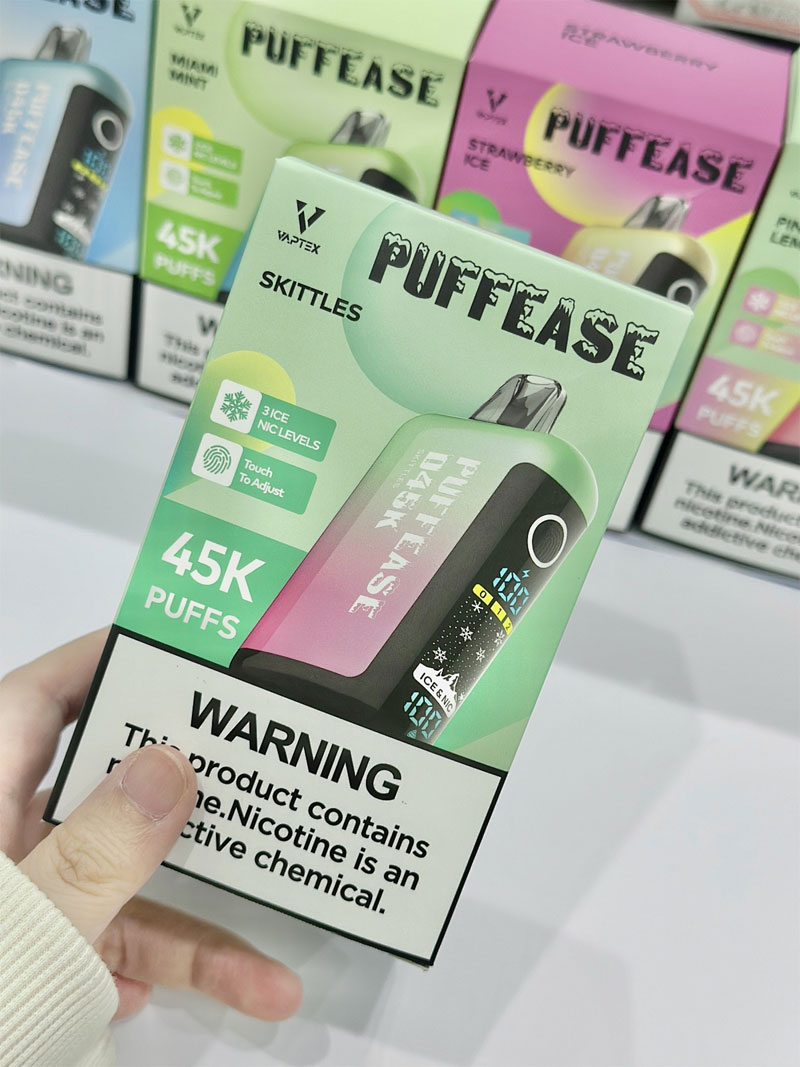
Furthermore, questions around the enforcement of such a ban raise concerns. Successfully implementing and maintaining the ban will require stringent regulation and continuous monitoring to prevent illicit trading activities.
Frequently Asked Questions
What is the main reason for Thailand’s e-cigarette import ban?

The primary motivation is to improve public health by reducing nicotine addiction, especially among young people, and to promote healthier living standards across the nation.
How will the ban impact current e-cigarette users?
Users may find it challenging to access e-cigarettes post-ban, potentially leading them to either find alternative nicotine products or quit smoking. This could indirectly boost traditional tobacco sales.
Are there potential alternatives to e-cigarettes post-ban?
Local production and innovation may rise, offering consumers alternative methods for nicotine consumption. Additionally, support for smoking cessation programs may increase.