In recent years, the popularity of e-cigarettes has surged, making them a ubiquitous topic of discussion and curiosity. So, what exactly are e-cigarettes? These devices are electronic alternatives to traditional tobacco products. Operating as vaporizers, they enable smokers to inhale a vapor containing nicotine, minus the harmful tar and other chemicals found in regular cigarette smoke. The concept behind e-cigarettes is to provide a less harmful method for nicotine consumption while catering to those attempting to reduce or quit smoking altogether.
Components That Make Up E-cigarettes
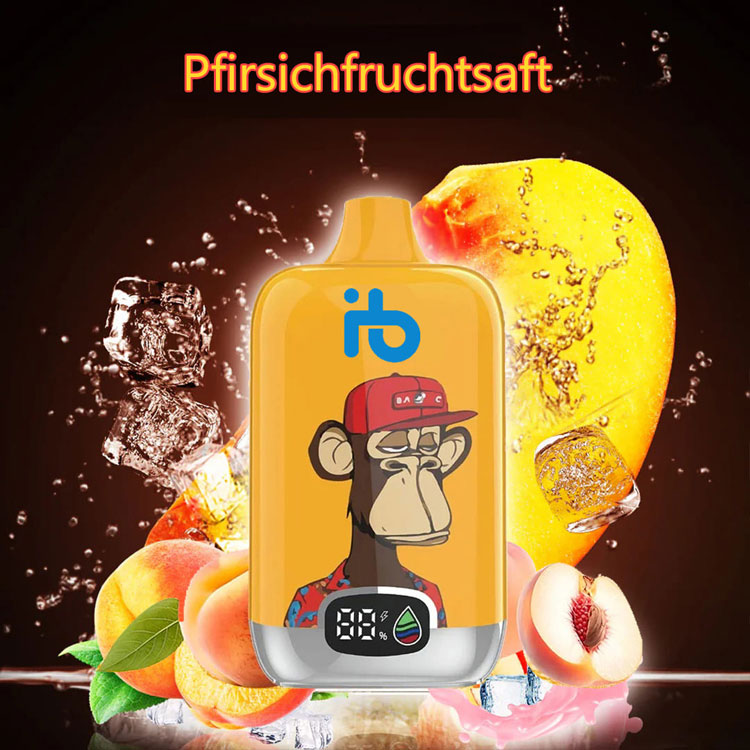
Whether you’re a seasoned user or a novice, understanding the e-cigarette components is crucial. Typically, they consist of a mouthpiece, a cartridge or tank, a heating element, a power source, and electronic circuits. The mouthpiece is the aspect you suck the vapor through; behind it lies the tank, which holds the e-liquid. This liquid is heated by the heating element, powered by a battery, until it evaporates for you to inhale. These parts work in unison to recreate a smoking experience that appeals to many.
E-liquid: The Fuel That Powers E-cigarettes
At the heart of any e-cigarette is the e-liquid. This liquid is a combination of water, nicotine, flavoring, and a carrier liquid, usually propylene glycol (PG) or vegetable glycerin (VG). The proportions of PG and VG can affect the vapor production and throat hit of the e-liquid, with PG often providing a stronger sensation and VG creating denser vapor clouds. Flavors range from tobacco and menthol to fruit, dessert, and even beverage flavors, offering users a wide range of choices and experiences.
The Appeal of E-cigarettes Among Consumers
Numerous factors contribute to the allure of e-cigarettes over their traditional counterparts. Firstly, they can provide a cleaner experience without the overwhelming odor and residuals left by conventional smoke. Furthermore, e-cigarettes have a certain novelty factor with myriad flavors to experiment with, adding an entertainment aspect to the smoking experience. Also, they are seen by many as a stepping stone towards quitting nicotine altogether, providing a controlled way to reduce dependency incrementally.
While e-cigarettes are at the center of public health debates, they are often touted as a less damaging alternative to smoking. However, opinions vary, with a considerable portion of the population wary of potential risks associated with e-cigarettes. It is essential to note that definitive long-term studies are still sparse, and users should approach their use with caution and awareness.
E-cigarettes: Regulatory Landscape and Health Implications

The regulatory scenario for e-cigarettes is fast evolving. Different countries possess varied rules and countermeasures to arch the rise of e-cigarettes among youth and non-smokers. Some jurisdictions mandate rigorous labeling, while others have outright bans. Health experts also warn of the risks associated with excessive nicotine intake and potential respiratory implications due to the inhalation of foreign chemicals.

Addressing Common Concerns and Questions
Is vaping safer than smoking traditional cigarettes? While evidence suggests reduced harm, they are not without risk. The health concerns associated with long-term exposure to nicotine and unidentified chemicals necessitates understanding and vigilance. Does vaping help in quitting smoking? For many, e-cigarettes serve as an effective tool to curb smoking habits, though individual experiences may vary. Are e-cigarettes regulated for minors? Yes, most regions have age restrictions, but vigilance is crucial to mitigate underage use.