As e-cigarettes gain popularity as an alternative to traditional smoking, the question often asked is: are e cigs safer than cigarettes? This topic attracts attention from health experts, smokers looking to quit, and those curious about the potential benefits and drawbacks of switching to electronic smoking devices.
Understanding E-Cigarettes
E-cigarettes, also known as vapes, are battery-powered devices that heat a liquid to create an aerosol that the user inhales. This liquid, often referred to as “e-liquid” or “vape juice,” typically contains nicotine, flavorings, and other chemicals. Unlike traditional cigarettes, e-cigs do not burn tobacco, which results in fewer carcinogens being produced. Yet, the presence of nicotine—a highly addictive substance—remains a concern.
Comparing Chemical Components
When trying to determine whether e cigs are safer than traditional cigarettes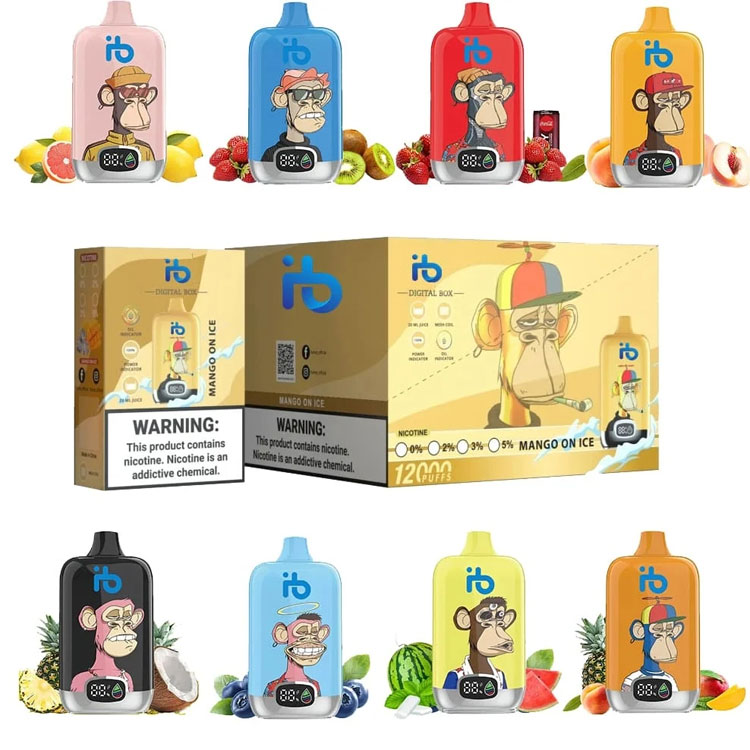 , it’s crucial to analyze their chemical compositions. Traditional cigarettes contain over 7,000 chemicals, many of which are toxic and carcinogenic. In contrast, e-cigarettes generally have fewer toxicants. However, studies reveal that the aerosol from e-cigarettes can contain harmful substances such as heavy metals, volatile organic compounds, and particulate matter.
Health Risks and Benefits

The health risks associated with traditional cigarette smoking are well-documented, with links to heart disease, cancer, and respiratory issues. By avoiding the combustion process, e-cigarettes eliminate many of the toxic byproducts found in cigarette smoke. Nevertheless, the long-term health effects of vaping are still unknown, and some research suggests that e-cig users may face potential respiratory issues and addiction risks due to nicotine reliance.
The Role of Nicotine
One cannot ignore the role of nicotine in this debate. Although e-cigs may reduce exposure to other chemicals found in cigarette smoke, nicotine itself is a health risk. It contributes to heart disease and can adversely affect brain development in adolescents and young adults. E-cigs deliver nicotine in a less harmful manner, but the addiction potential remains similar to that of traditional smoking.
Regulation and Safety
As the popularity of e-cigarettes continues to rise, regulatory bodies like the FDA are stepping up to ensure consumer safety. Efforts include regulating marketing practices, setting standards for e-liquid ingredients, and enforcing age restrictions to prevent underage vaping. Despite these regulations, the safety profile of e-cigarettes is still being established, and ongoing research is necessary to address unresolved health concerns.
Public Perception and Misunderstanding
There is often a public misconception that e-cigarettes are entirely safe alternatives to smoking. While they may pose fewer health risks compared to traditional cigarettes, calling them completely safe is misleading. The perception of safety often leads non-smokers, especially teens, to start using e-cigarettes, inadvertently increasing nicotine addiction rates.
Conclusion
So, are e cigs safer than cigarettes? In some respects, yes. They offer a less toxic alternative by eliminating the combustion process and reducing exposure to harmful chemicals. However, they are not without risk, particularly concerning nicotine addiction and potential long-term health effects that are still under investigation. Individuals considering switching to e-cigarettes should weigh these factors carefully and consider reaching out to healthcare professionals for guidance on cessation options.
FAQ
- Q: Can e-cigarettes help quit smoking?
A: E-cigarettes can potentially help some smokers quit, but it’s not guaranteed. Consulting a healthcare professional for medically approved cessation methods is advisable.
- Q: Are there non-nicotine e-liquid options?
A: Yes, there are e-liquids available without nicotine. However, users should still exercise caution as other chemicals may pose health risks.
- Q: Do e-cigs have secondhand smoke effects?
A: E-cigs produce aerosol rather than smoke, reducing secondhand exposure risks. Nonetheless, it’s not entirely without risk for bystanders, especially in enclosed spaces.