A Comprehensive Guide: E-Cigarettes Explained for New Users
What Are E-Cigarettes?
An e-cigarette is a battery-powered device designed to heat a liquid, commonly called e-liquid or vape juice, into an aerosol that users inhale. Unlike conventional cigarettes, e-cigarettes do not burn tobacco. Instead, they utilize a heating element (coil) to vaporize the liquid, usually containing nicotine, flavorings, and other ingredients.
- Components: Typical devices consist of a battery, a tank or pod, a coil, and a mouthpiece. These parts work together to deliver vapor with each puff.
- E-Liquid: This often contains propylene glycol (PG), vegetable glycerin (VG), flavorings, and varying levels of nicotine.
- Types: There are several categories, including cigalikes (similar in appearance to cigarettes), vape pens, pod systems, and box mods (advanced personal vaporizers).
How Do E-Cigarettes Work?
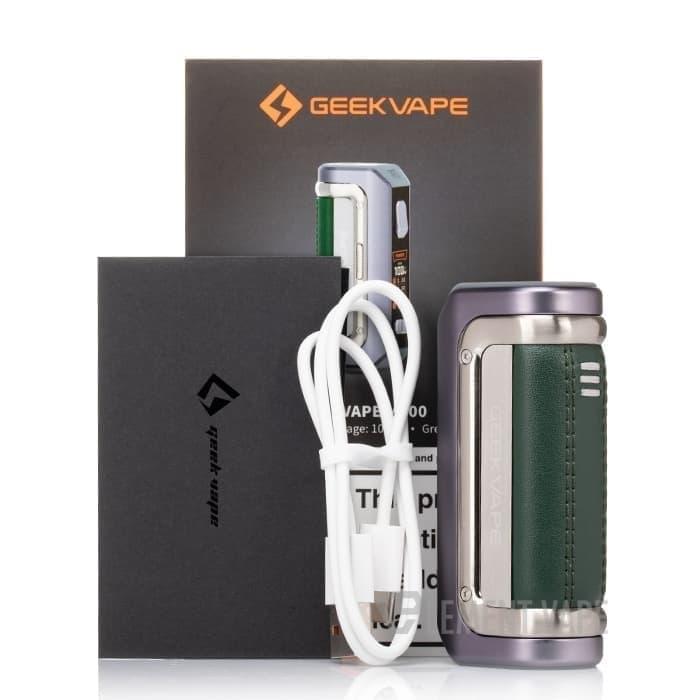
The basic function is simple: when activated, either by pressing a button or through an automatic sensor, the device heats the coil, which vaporizes the e-liquid. Users inhale the resulting aerosol, experiencing the sensation of smoking while controlling nicotine intake and flavor choice. This process distinguishes e-cigarettes from traditional smoking and is a key aspect in the introduction to e cigarettes for beginners.
The Benefits and Risks
Potential Benefits: One of the main reasons people switch to vaping is to reduce or quit cigarette smoking. Unlike combusted tobacco, e-cigarettes produce fewer harmful chemicals. Vaping allows for individualized nicotine consumption and offers a range of flavors that may make quitting easier.
Possible Risks: While generally accepted as less harmful than smoking, e-cigarettes are not risk-free. The long-term health effects continue to be studied. Nicotine itself is addictive, and some research suggests there can be respiratory and cardiovascular risks. It’s important for users to remain informed and cautious.
Getting Started: Selecting Your First Device
When exploring the world of vaping, the options can seem overwhelming. For those new to e-cigarettes, simplicity and ease-of-use are key factors.
- Cigalikes:
 Resemble traditional cigarettes, great for a familiar feel but less power and customization.
 - Vape Pens: Slim, pen-shaped devices that offer more vapor production and battery life than cigalikes.
- Pod Systems: Compact and user-friendly, these use pre-filled or refillable pods. They’re hugely popular among beginners for their convenience.
- Box Mods: Advanced, customizable, and powerful; recommended for experienced users due to their complexity.
Choosing E-Liquids: Navigating Flavor and Nicotine
Among the most exciting aspects for new users is the vast array of e-liquid flavors, from classic tobacco and menthol to fruity, dessert, and novelty blends. When considering introduction to e cigarettes, focus on:
- Flavor Preference: Sample smaller quantities to find your favorites.
- Nicotine Strength: Options generally range from 0mg (nicotine-free) to 50mg or more in nicotine salts. Beginners often start with moderate strengths (6-12mg) and reduce gradually.
- PG/VG Ratio: A higher PG ratio may deliver stronger throat hits, while more VG results in thicker vapor and a smoother experience.
Maintenance, Charging, and Safety Tips
Status-checking and maintenance are crucial for optimal operation and longevity of your vaping device. Clean tanks regularly, replace coils as recommended (usually every 1-3 weeks), and keep batteries charged but avoid overcharging.
Store devices and e-liquids away from pets and children. Always buy from reputable sources to ensure product safety and quality.
Myths and Misconceptions
Myth #1: “Vaping is entirely harmless.” While e-cigarettes are considered less dangerous than smoking tobacco, they are not without risks. Ongoing research examines both immediate and long-term effects.
Myth #2: “All e-liquids contain nicotine.” Many varieties are nicotine-free, intended for people simply wanting the flavor and vaping sensation.
Myth #3: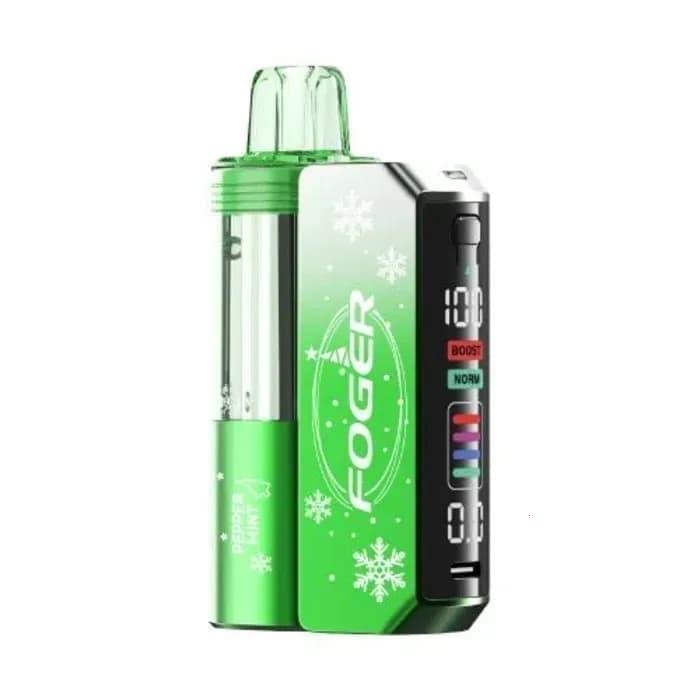 “Vaping is only for quitting smoking.” While many use e-cigarettes as a cessation tool, others vape recreationally, for flavors or social aspects.
Legalities and Regulations
Regulations vary globally and even locally; some regions restrict sales to minors, limit advertising, or set nicotine concentration thresholds. Always review local laws before making a purchase or using e-cigarettes in public spaces.
Transitioning from Smoking to Vaping
If you’re considering switching, don’t hesitate to seek advice from reputable sources, vape shops, and health professionals. Gradually reducing nicotine strengths, finding enjoyable flavors, and joining support communities are all proven strategies.
Conclusion: Making an Informed Choice
The essence of a well-rounded introduction to e cigarettes is knowledge. By understanding how these devices work, the benefits and risks, and how to select products suited to your preferences, you’re empowered to make the best decisions for your journey. E-cigarettes offer a contemporary alternative to traditional tobacco products, but staying informed is crucial.
Frequently Asked Questions
- Are e-cigarettes safer than traditional cigarettes?
- Studies suggest e-cigarettes expose users to fewer toxic chemicals compared to combusted tobacco. However, they are not considered completely harmless, and the safest option is to avoid both.
- Can I use e-cigarettes to quit smoking?
- Many people successfully use e-cigarettes as a tool to reduce or quit smoking, especially with gradual reduction of nicotine intake over time. Consult with healthcare professionals for a personalized plan.
- What is the best e-cigarette for beginners?
- Pod systems and vape pens are widely recommended for their simplicity, convenience, and user-friendly operation, making them excellent options for those new to vaping.