Practical travel guidance for people who vape: rules, packing and what to expect on board
If you use a vape while traveling, planning ahead is essential. Many cruisers wonder can you bring e cigarettes on a cruise and what restrictions will apply once the ship leaves port. This comprehensive guide explores regulations, safety practices, packing strategies, and etiquette designed to help experienced and new vape users enjoy a worry-free voyage. The advice covers pre-cruise checks, what to pack in carry-on or checked luggage, battery and charger safety, rules for different cruise lines and ports, and practical tips to minimize the chance of confiscation or fines.
Understand the difference: TSA, airlines and cruise line rules
The rules from airports and cruise operators overlap but are not identical. While the Transportation Security Administration (TSA) in many countries may allow you to fly with e-cigarette devices and e-liquids in your carry-on baggage, cruise lines often set separate policies for items that are brought into cabins and used onboard. Before you book or board, verify with both the airline (if flying) and the cruise operator. Key distinctions to remember: the TSA focuses on aviation security and battery rules for carry-on vs checked luggage, while cruise lines are focused on fire safety, on-board air quality, and preserving a comfortable environment for all guests.
Common cruise line policies in plain language
Different operators set their own policies, but many share common elements. Most cruise companies:
- prohibit use of e-cigarettes in public indoor spaces, dining rooms, theaters, and most balconies;
- restrict vaping to designated outdoor areas or specified smoking decks;
- may permit possession but disallow use of open-tank devices, or require that devices be stored safely in your cabin;
- strongly regulate spare batteries and may require them to be stored in a protective case;
- reserve the right to confiscate devices used in unauthorized areas or that cause complaints.
Always check a specific operator’s policy page and the cruise contract before you embark.
Pre-trip checklist for the responsible vaper
Follow a short checklist to avoid surprises:
- Confirm policies directly with the cruise line’s customer service and review their official rules online.
- Check destination and port laws; some countries ban possession or sale of nicotine e-liquids or certain devices and can enforce penalties on arrival.
- Pack device manuals, receipts and any doctor’s letter if you carry nicotine for medical reasons—documentation helps when questions arise.
- Use proper battery storage: keep spare batteries in a plastic or commercially designed battery case, never loose in luggage.
- Bring travel-sized e-liquid containers that comply with the cruise’s allowed volume and labelling rules.
Carry-on vs checked luggage: where to place your e-cigarette and supplies
For safety and practical reasons it’s typically advised to keep vape devices and spare batteries in your carry-on rather than checked luggage. The reasons are:
- lithium batteries pose a fire risk and many operators prohibit them in checked baggage;
- if lost or misdirected luggage contains your primary device, you may be unable to vape during the cruise;
- airport security often requires inspection of electronics and liquids which is simpler when items are in carry-on.
When packing batteries, separate positive ends with tape or battery cases, and keep e-liquids in compliant, leak-proof containers in a sealable plastic bag.
Battery and charger safety to avoid disasters
Safety is non-negotiable. Shipboard fire risk is taken seriously and poorly managed batteries are the leading cause of vape-related fires. Follow these rules: never store batteries loose, never place devices on or under bedding while charging, and only use manufacturer-approved chargers and cables. If the cruise line provides guidelines for charging e-devices in cabins, follow them. Some lines forbid charging devices unattended or overnight; always supervise charging and place devices on a hard, non-flammable surface.
Types of devices and their specific considerations
Different products attract different rules. Disposable vapes, pod systems, mods, and tanks each have nuances:
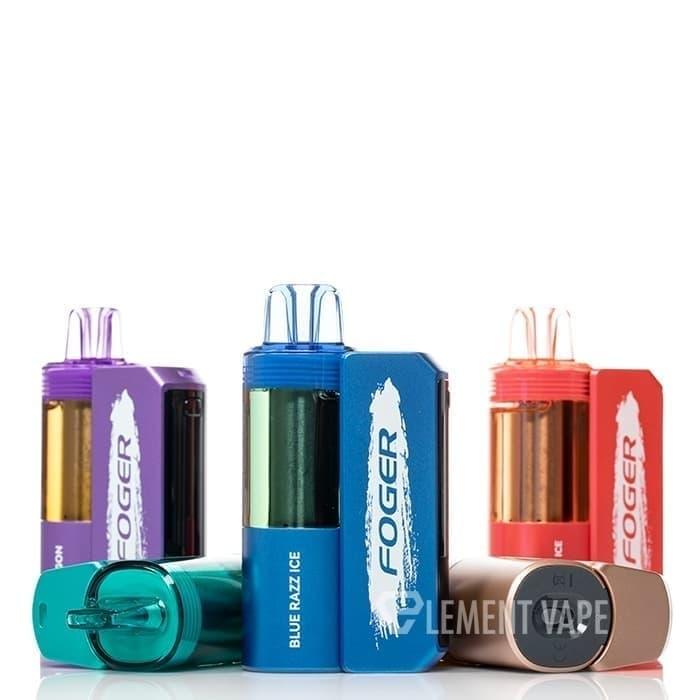
- Disposable vapes are convenient but often attract more scrutiny, especially on ships with strict waste and disposal policies;
- pod systems with closed cartridges are generally simpler to manage and less likely to leak;
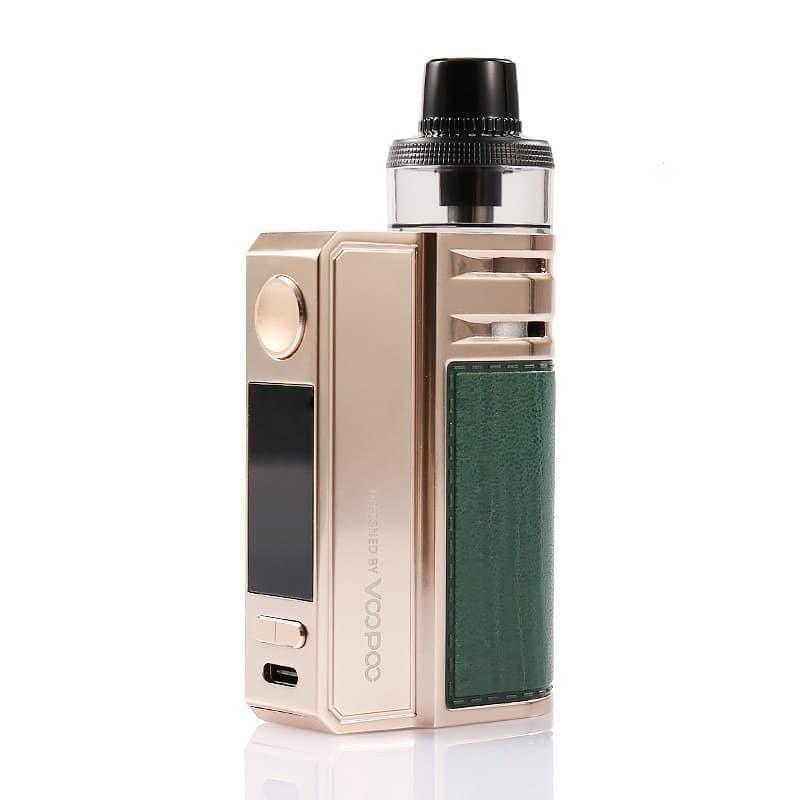
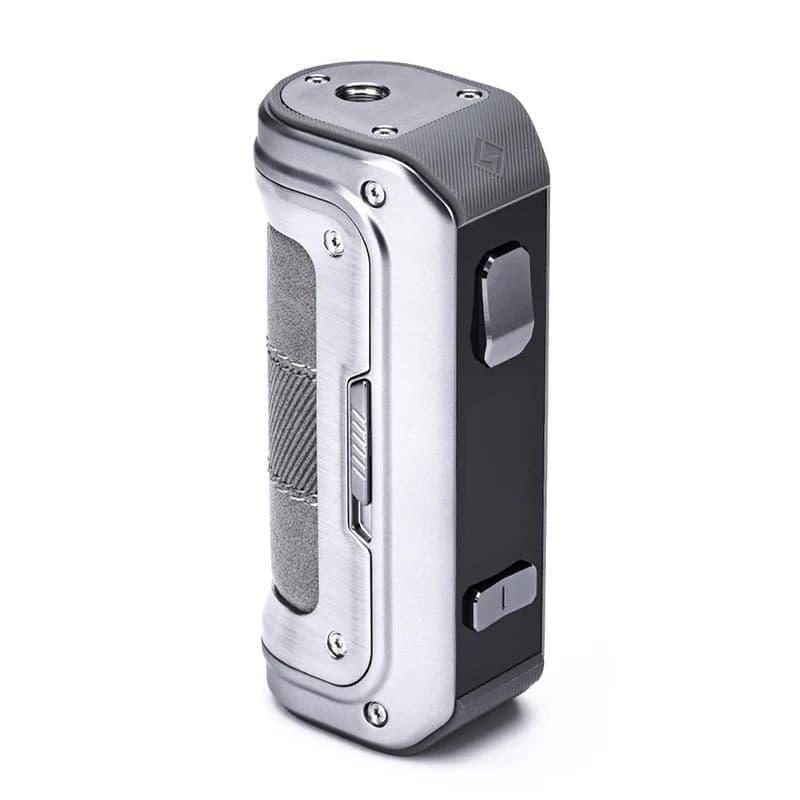
- box mods with high-capacity batteries require careful storage and labeled battery cases;
- open systems that require refilling may be restricted in some cruise ship cabins due to spillage risk.
Choose devices that minimize hassle and risk for the length of your voyage.
Where you can vape on a ship: typical locations and etiquette
Most operators limit vaping to designated outdoor smoking areas, certain open decks, or private balconies in specific circumstances. However, many cruise lines restrict balcony vaping because of smoke drifting into neighboring staterooms and shared corridors. Always look for signs, ask staff, and be mindful of other guests: avoid vaping near children, dining areas, or open balcony doors. If you are allowed to vape on a balcony, stay well within the posted rules and never leave devices unattended.
Handling e-liquids and nicotine limits
E-liquids are often treated like other liquids and may be subject to limits if you bring them on board from carry-on baggage after flying. Keep e-liquids in small, properly labeled bottles and consider pre-filling travel cartridges to reduce spills. For international itineraries, verify the legal status of nicotine in ports of call and remember some countries restrict nicotine concentration or require specific labeling for imported nicotine products.
Tips to avoid confiscation and make interactions with staff smooth
When staff approach you about vaping: be calm, cooperative, and ready to show proof of purchase or owner manuals if requested. If you’re asked to stop vaping in a particular area, comply immediately and politely. To reduce the chance of confiscation:
- avoid using devices in non-designated areas;
- store them securely when not in use;
- keep packaging and receipts handy;
- label battery packs and follow cruise line guidance for storage and disposal.
If a device is confiscated unexpectedly, request a written receipt or documentation from the ship’s security to explain the action and the next steps for recovery or disposal.
Health and courtesy considerations for fellow passengers
Vaping on a crowded ship can impact others. Even if permitted, consider these courtesy practices:
- use only in designated zones;
- avoid flavored or strong-smelling e-liquids that can bother nearby guests;
- vacate the area if crew members or other passengers express discomfort;
- be mindful of children and family areas during daytime hours.
Respectful behavior reduces complaints and helps maintain broader access for vapers.
Shore excursions, shore laws and port authority rules
One of the trickiest aspects of cruise vaping is that local laws at ports of call may be stricter than the ship’s policies. Some countries ban nicotine vapes entirely, impose heavy fines, or restrict possession. Before stepping ashore, check port-specific laws and avoid taking devices into sensitive areas. If in doubt, store your vape securely on the ship or in locked luggage until you can verify local regulations. When traveling on excursions, follow local rules—ignorance is rarely accepted as a defense.
Buying vapes and e-liquids on board or in port
Cruise ship shops sometimes sell e-liquids, devices, and accessories, often duty-free. While buying on board seems convenient, verify return policies, compatibility of devices, and whether purchased items are allowed to be used on the ship. When purchasing onshore, be cautious about counterfeit products, unknown battery quality, and differences in nicotine concentration or ingredient labeling.
Emergency situations and damage prevention
In rare cases devices may leak, overheat, or malfunction. If a device smokes, sparks, or feels hot, power it down immediately, remove batteries safely if you can do so without risk, and report the incident to ship staff. Many cruise lines have strict disposal procedures for electronic waste and batteries—follow crew guidance to avoid fines or penalties. Consider carrying a small fire-resistant bag for devices and batteries as an extra precaution.
Packing list: an ideal kit for a cruise
Assemble a travel kit:
- primary vape device and one backup device;
- spare batteries stored in a proper case;
- compact charger and manufacturer cables;
- small spool of electrical tape or battery stickers for terminal protection;
- sealed bottles of e-liquid in travel sizes inside a zip-top bag;
- device cleaning supplies (cotton swabs, paper towel, isopropyl wipes if permitted);
- copies of receipts and user manuals, and any medical documentation if relevant.
Store everything in an easily accessible part of your carry-on for inspections and quick use.
Legal disclaimers and best practice reminders
Regulations change frequently. Always double-check cruise line policy updates before you travel, and verify rules at each port. Policies may vary by ship, itinerary, and the captain’s discretion on safety grounds. Remember that some cruise itineraries involve countries with harsh penalties for nicotine products; err on the side of caution and do advance research or consult legal resources where necessary.
How to stay informed: reliable sources and tools
To keep current, use multiple sources: the cruise line’s official policy pages and customer service, government travel advisories for ports of call, traveler forums for anecdotal experiences, and manufacturer product guidance for battery and charger recommendations. Bookmark the cruise operator’s “sailing terms and conditions” and take screenshots of any policy pages you rely on—digital records can be helpful when crew enforcement happens at sea.
Summary: practical answers and a sensible approach
Yes, many people travel with a vape on cruises, but the key to hassle-free travel is preparation: check rules in advance, carry devices in your carry-on, store spare batteries properly, and follow shipboard etiquette. If you prepare responsibly and respect local laws and fellow passengers, you greatly reduce the risk of confiscation or penalties. When in doubt, ask customer service before you leave and follow the crew’s directions on board.
Additional pro tips
Consider disposable or sealed systems for short cruises to reduce maintenance; bring odor-neutral e-liquids if you plan to vape in semi-private areas; rotate batteries to extend life for longer trips; and always respect no-vape zones to protect access for everyone. The better prepared you are, the more smoothly your trip will go.
Frequently asked questions
A: Most cruise lines and aviation authorities recommend against placing lithium batteries or powered devices in checked baggage due to fire risk. Pack them in carry-on and use protective battery cases.
A: Enforcement varies by cruise line but may include warnings, confiscation, fines, or even disembarkation for repeat or severe violations. Always comply with crew instructions.
A: Sometimes yes: disposable devices can be seen as waste or single-use items that complicate disposal rules, and some destinations restrict their import. Check both ship and port rules before relying on disposables.