E-Zigarette Einsteiger guide for newcomers: practical tips and safe charging routines
Why proper charging matters for E-Zigarette Einsteiger
At the heart of nearly every modern vaping device is a lithium-ion battery. Understanding the basics of battery chemistry helps you appreciate how to charge electronic cigarette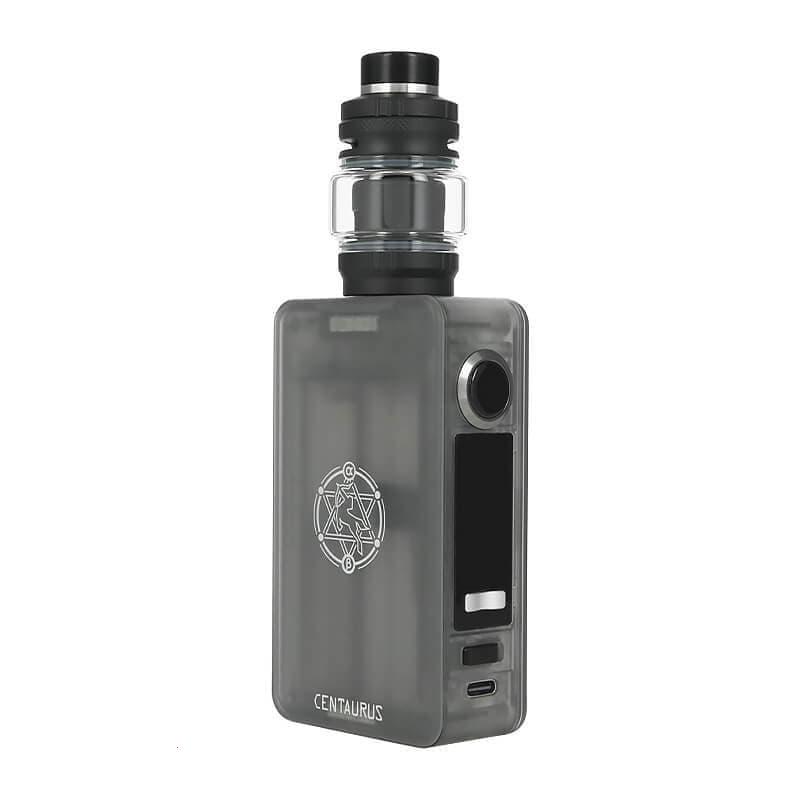 units correctly. Correct charging reduces heat, minimizes stress on the cells, and preserves capacity measured in mAh. For new users, adopting good charging habits can prevent accidental damage, preserve warranty conditions, and reduce the chance of performance problems like sudden shutdowns, reduced puff count, or inflated batteries.
Key battery terms every beginner should know
- mAh (milliampere-hour): measurement of capacity; higher mAh generally means longer run-time.
- Voltage (V): many single-cell devices operate near 3.7–4.2V; regulated mods adjust output.
- Depth of discharge: frequently draining to 0% stresses cells; smaller partial discharges are healthier.
- Cycle life: number of full charge/discharge cycles after which capacity noticeably drops.
- Charging current (A): how fast a battery charges; too high can cause heat.

Practical step-by-step: how to charge electronic cigarette devices safely
Follow these practical steps to charge your vape safely and prolong battery life:
- Use the correct charger: Whenever possible, use the charger and cable supplied by the manufacturer or a reputable replacement designed for your device. This simple rule is central to safe charging.
- Prefer low current charging for regular use: how to charge electronic cigarette safely often means choosing slower charge rates (e.g., 0.5A–1A) for daily routine to reduce heating and stress on the battery.
- Charge on a stable, non-flammable surface: Avoid charging on flammable materials like beds or sofas; choose a flat table with minimal clutter.
- Never leave a charging device unattended overnight if possible: Many users keep an eye on the first few cycles and then adopt routines; however minimal overnight charging is advised for extra caution.
- Avoid charging below freezing or above 40°C: Temperature affects internal chemistry; a cool, room-temperature environment is ideal.
- Remove vape from case while charging: Cases can trap heat; allowing airflow helps reduce temperature buildup.
- Stop charging if the device becomes very hot (>45°C): Unplug and allow cooling; check for faults or consider battery replacement.
Choosing a charger and cable
Modern devices use either proprietary connectors, micro-USB, or USB-C. how to charge electronic cigarette questions often focus on whether power banks or laptop ports are safe. Short answer: most USB ports are fine if they supply standard 5V and a reasonable current. Prefer chargers with built-in protection (over-voltage, over-current, and short-circuit). Avoid unknown cheap wall chargers that advertise exotic voltages or high amperages without certification. If using a dedicated external charger for removable 18650/21700 cells, choose smart chargers that read cell voltage and offer balanced charging and individual-cell monitoring.
Battery types and removable cells: what beginners should know
Many starter kits have built-in batteries; however advanced setups use removable cells (18650, 20700, 21700). If your device uses removable cells, learning proper battery handling is crucial. Store spare batteries in plastic cases, never loose in pockets with metal objects, and always buy authentic cells from reputable sellers. For E-Zigarette Einsteiger, understanding that not all batteries are identical helps when trying to answer “how to charge electronic cigarette” effectively for removable cells.
Tip: Mark your batteries so that you can track their cycle count and condition. Rotate them if using multiple sets to even out wear.
Common charging myths and clarifications
- Myth: You must fully drain a battery before charging. Fact: Partial charging is better for lithium-ion cells; frequent shallow discharges are ideal.
- Myth: Let new batteries charge 12 hours. Fact: Modern cells and chargers do not require lengthy initial charges; follow manufacturer guidance.
- Myth: Fast charging is always bad. Fact: Occasional fast charging is convenient but repeated high-current charging shortens lifespan.
Smart charging etiquette and longevity strategies
To extend battery life use these longevity strategies tailored for E-Zigarette Einsteiger who want to master how to charge electronic cigarette products:
- Charge to around 80–90% for daily use and avoid keeping devices at 100% for prolonged periods if possible. This reduces stress at the top end of the charge curve.
- Do not store fully charged or fully drained for months; store batteries at roughly 40–60% for long-term storage.
- Regularly inspect connectors and battery wraps; replace damaged wraps on removable cells immediately.
- Limit fast charging frequency; use it when you need a quick top-up, not every day.
- Keep device firmware updated if your mod supports firmware updates—some updates improve charging management.
Indicators and diagnostics: how to tell when charging is complete or problematic
Most e-cigarettes display LED indicators or screen messages. A green light or 100% on the display typically indicates the charge is complete. If the battery icon flashes, the device may be in pass-through charging mode, or it could signal a fault. If you see swelling, excessive heat, or unable to reach a full charge, discontinue use and investigate the battery and charger. For removable cells, a multimeter can read resting voltage; a healthy, fully charged lithium cell will be about 4.2V; nominal is 3.7V and storage around 3.8V.
Everyday charging workflow for a beginner
Here is a simple daily workflow that helps beginners manage charging safely and efficiently:
- At the end of the day, plug the device into a reliable charger if battery is below 60%.
- Aim to unplug when near 80–90% for routine days.
- If you need 100% for travel, charge fully shortly before departure rather than leaving it plugged in all day.
- Carry a spare charged battery or a small power bank for extended outings; follow airline and local rules about battery transport.
Travel and safety: transporting batteries and charging abroad
Travelers often ask how to charge electronic cigarette devices when abroad. Key points: airlines restrict spare lithium batteries in checked luggage—store them in carry-on in protective cases. When traveling to countries with different voltages, use chargers rated for 100–240V or use a certified travel adapter. Avoid charging on public overnight charging stations that are untrusted; use your personal charger or power bank. Keep battery spares in a labeled case to prevent short circuits.
Troubleshooting common charging problems
Problems and quick checks for beginners who are figuring out how to charge electronic cigarette properly:
- No response when plugged in: check cable and charger, try another port, ensure the device is not locked or in transport mode.
- Device heats up during charging: unplug, allow cooling, and check for software updates. If heating continues, stop using until inspected.
- Battery indicator stuck: calibrate by charging to full and then letting it drain to 10–20% once or twice. If issues persist, battery or device may need service.
- Charge cycles dropping: consider replacing old removable cells or check internal battery health if integrated.
Advanced topics for curious E-Zigarette Einsteiger
For users who want deeper technical insight into how to charge electronic cigarette systems, consider learning about charge algorithms, the role of battery management systems (BMS), and how temperature compensation affects charging efficiency. Higher-end mods incorporate BMS that balance multiple cells, prevent overcharge, and communicate with smart chargers to optimize lifespan. Knowing the specifications of your device (max charging current, cell chemistry) allows you to choose compatible accessories and avoid damaging shortcuts like squeezing extra voltage into a device.
Eco-conscious and safety-aware disposal
When batteries reach end of life, dispose of them properly at designated recycling points. Do not throw lithium batteries in household trash. Many retailers and local recycling centers accept spent vape batteries. Proper disposal protects the environment and prevents hazards like fires in waste facilities.
Checklists for quick reference
Keep these short checklists handy for everyday assurance about how to charge electronic cigarette and maintain device health:
- Checklist before charging: cable intact, charger certified, clean contacts, device on stable surface.
- Checklist during charging: monitor first few cycles, avoid tight cases, watch for heat.
- Checklist after charging: unplug promptly if hot, never store at 100% for long, note cycle count.
Frequently recommended accessories
Recommended accessories for beginners include: quality USB-C or manufacturer cable, a certified wall adapter with 5V output, a small power bank rated for USB charging, safety cases for spare removable batteries, and a simple multimeter for measuring voltage on removable cells.
How to spot counterfeit batteries and chargers
Counterfeit cells may look similar but lack proper protection, leading to dangerous failures. Signs of counterfeit: price too low, missing brand holograms, inconsistent labels, and sellers with poor reputations. For chargers, avoid units without safety marks (UL, CE, FCC). If in doubt, buy from official retailers or well-known electronics distributors.
Summarized best practices for E-Zigarette Einsteiger

To summarize the most important, repeatable recommendations for learning how to charge electronic cigarette gear:
- Use quality chargers and cables, preferably supplied by the device manufacturer.
- Keep charging currents modest for daily use and avoid repeated fast charges.
- Charge in safe environments, avoid sleeping or leaving devices plugged in unattended for extended periods.
- Store at moderate charge levels for long-term storage and avoid extreme temperatures.
- Handle removable cells carefully: keep wraps intact, carry in cases, and recycle responsibly.
Useful keyword anchors for searches
When researching further, use reputable phrases such as E-Zigarette Einsteiger battery care, how to charge electronic cigarette safely, and vape battery maintenance tips for beginners. These terms mirror the most helpful expert articles and manufacturer guidance.
Final notes and encouraging words
Learning how to charge electronic cigarette units is one of the quickest ways to prevent common problems and enjoy consistent performance from your setup. For E-Zigarette Einsteiger, slow and steady charging habits, proper storage, and careful handling of batteries will pay off with longer life, fewer hassles, and a safer vaping experience. When in doubt, consult your device manual or reach out to the manufacturer’s support channels for device-specific guidance.
FAQ — Common questions answered
Q: Can I use a smartphone charger to charge my vape?
A: Yes, in many cases a standard smartphone charger is fine if it outputs 5V and reasonable current, but prefer the OEM cable or a certified cable and charger to match the device’s connector and power profile.
Q: How long should I charge a new battery?
A: Modern lithium batteries do not require long conditioning charges. Follow the manufacturer’s first-charge recommendation; typically a full charge before first use is sufficient.
Q: Is it bad to use fast charging all the time?
A: Regular use of fast charging can accelerate capacity loss due to increased heat and stress. Use fast charging occasionally when needed, but for daily charging aim for lower current when possible.
Q: My battery got warm while charging, what should I do?
A: Unplug and allow it to cool. Warmth within reasonable limits is normal; very hot (uncomfortable to touch), swollen, or smoking batteries are hazards—stop using and dispose safely.
If you want a printable checklist or a quick-download version, consider saving this page or bookmarking reputable manufacturer pages for device-specific charging tips tailored to your model; search terms like E-Zigarette Einsteiger resources and how to charge electronic cigarette best practices will take you to more detailed manufacturer instructions. Embrace good habits early—your batteries and your safety will thank you.