In recent years, the use of electronic cigarettes has garnered significant attention across various demographics. But are electronic cigarettes banned? The legal landscape regarding these devices is complex and continually evolving, influenced by health concerns, government regulations, and societal trends.
Regulations and Legal Status Across Countries
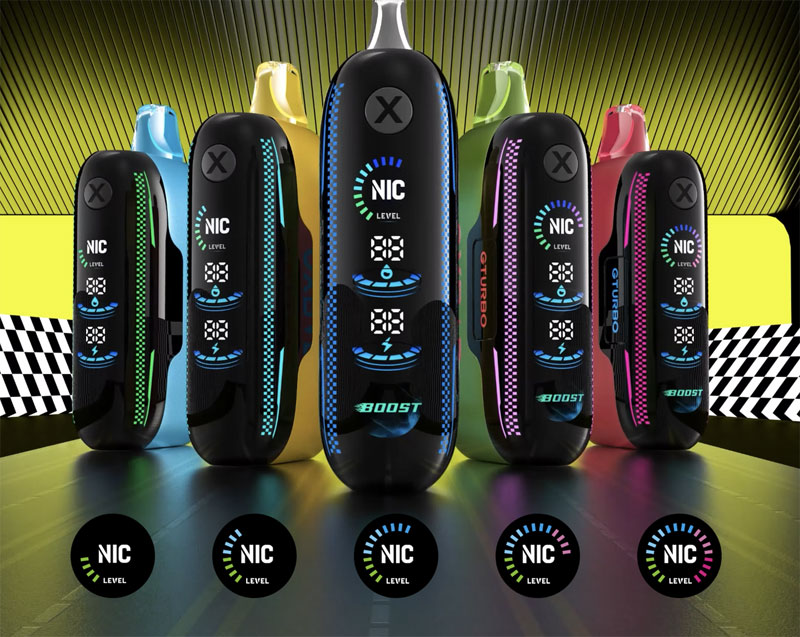

Globally, electronic cigarettes, also known as e-cigarettes, have faced varying restrictions. Some countries enforce absolute bans, while others allow them under regulation. Understanding the specific rules in different regions is crucial for both consumers and industry stakeholders.

United States: In the U.S., the Food and Drug Administration (FDA) governs the regulation of e-cigarettes. While not outright banned, e-cigarettes face strict guidelines including age restrictions for purchase and marketing limitations. Particular flavors have also been restricted to curb youth attraction.
European Union: The EU regulates e-cigarettes under the Tobacco Products Directive, ensuring product standards to protect consumers. While not banned, there are restrictions on nicotine content and advertising practices.
Australia: E-cigarettes containing nicotine are generally banned unless prescribed by a doctor. Non-nicotine e-cigarettes are regulated differently across states, adding layers of complexity.
Factors Influencing E-cigarette Bans
The reasons behind banning or regulating e-cigarettes often stem from health concerns and the potential for a new generation to become nicotine dependent. Studies highlighting the risks associated with e-cigarettes have prompted many health authorities to advocate for stricter laws.
Research has indicated that vaping can potentially damage lung health and that youth exposure could lead to a gateway effect into traditional smoking.
Public Debate and Health Implications
The debate surrounding e-cigarettes is multifaceted. Proponents argue that they are a less harmful alternative to traditional smoking, aiding in smoking cessation. However, critics highlight the addictive nature of nicotine present in e-cigarettes.
Public health campaigns often focus on educating the youth and the general public about these potential risks, weighing the benefits of harm reduction against the risk of increased nicotine use among non-smokers.
Technological and Market Trends
As technology advances, so does the complexity of e-cigarette devices. Innovations in product design aim to enhance user experience and safety. The market continues to expand, with numerous brands introducing new flavors and features, which are often scrutinized under regulatory lenses.
Future Outlook
Looking ahead, the regulatory landscape for electronic cigarettes is likely to continue its dynamic shift. Stakeholders, including manufacturers, consumers, and regulators, anticipate new guidelines as more research becomes available and societal attitudes evolve.
FAQs
Are electronic cigarettes harmful? While often marketed as a safer alternative to smoking, they are not without risks. There is ongoing research into their long-term health effects.
Can electronic cigarettes help quit smoking? Some studies suggest they can aid in smoking cessation, but this is sometimes contested by health professionals who caution that they may perpetuate nicotine addiction.
Where are electronic cigarettes banned? Countries like Brazil, Singapore, and India have comprehensive bans on e-cigarettes, citing health concerns and potential youth addiction.