Understanding the Components of E-Cigarettes: Beyond Just Water and Flavoring
When discussing e-cigarettes, a common assumption is that they primarily consist of water and flavoring. However, this oversimplification fails to capture the full spectrum of what these devices actually contain. In reality, most e-cigarettes comprise a mixture of various substances that work together to create the vaping experience.
Primarily, e-liquids, also known as vape juices, are composed of a blend of propylene glycol (PG) and vegetable glycerin (VG). These two ingredients serve as the base, providing the carrier for flavorings and nicotine, if included. PG is known for its ability to deliver a strong throat hit, akin to traditional tobacco smoking, while VG is responsible for producing large vapor clouds due to its thicker consistency. This combination allows users to customize their vaping experience according to personal preferences.
Role of Nicotine in E-Cigarettes
Another critical component often found in e-cigarettes is nicotine, an addictive substance derived from tobacco. Its presence varies depending on the user’s choice, as some may opt for nicotine-free e-liquids. While initially designed to assist in smoking cessation, the presence of nicotine in some e-cigarettes ties users to a dependency cycle similar to conventional cigarettes.
Nicotine in e-cigarettes can be provided in two forms: freebase nicotine and nicotine salts. Freebase nicotine is known for a harsher hit at higher concentrations, while nicotine salts create a smoother draw, allowing for higher nicotine levels without the accompanying irritation.
Flavoring Agents and Their Implications
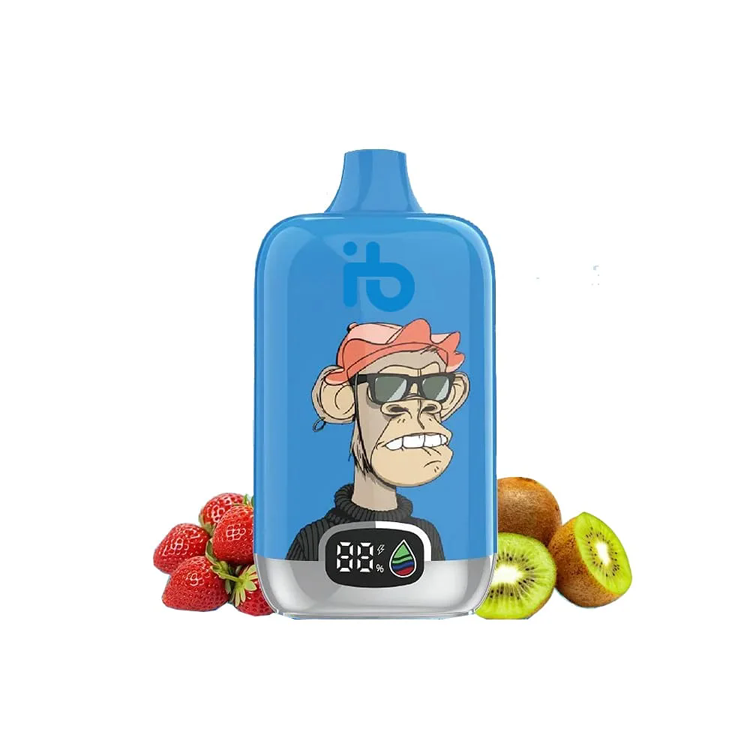
Flavoring agents are another significant component in e-cigarettes, adding varied sensory experiences ranging from fruity to minty and tobacco-like flavors. These flavors enhance the overall appeal of vaping, attracting a broader audience. However, the safety of these flavoring agents remains under scrutiny, as inhalation of some chemicals used in flavoring can pose health risks.
- Flavoring compounds like diacetyl, used for buttery flavors, have been linked to respiratory ailments.
- Certain sweeteners and colorants included for aesthetic enhancement may introduce carcinogenic risks when vaporized.
Misconceptions about Water Content in E-Cigarettes
Contrary to popular belief, e-cigarettes contain negligible if any water. Water does not play a role in the vaping mechanism since the liquids need to vaporize at relatively low temperatures, which is facilitated more by PG and VG than by water.
The notion that vaping is merely inhaling flavored water vapor is misleading and masks potential health risks associated with the aerosolization of various chemical components. As awareness grows about these substances, users are encouraged to better understand what they are inhaling to make informed decisions.
Safety and Regulation Considerations
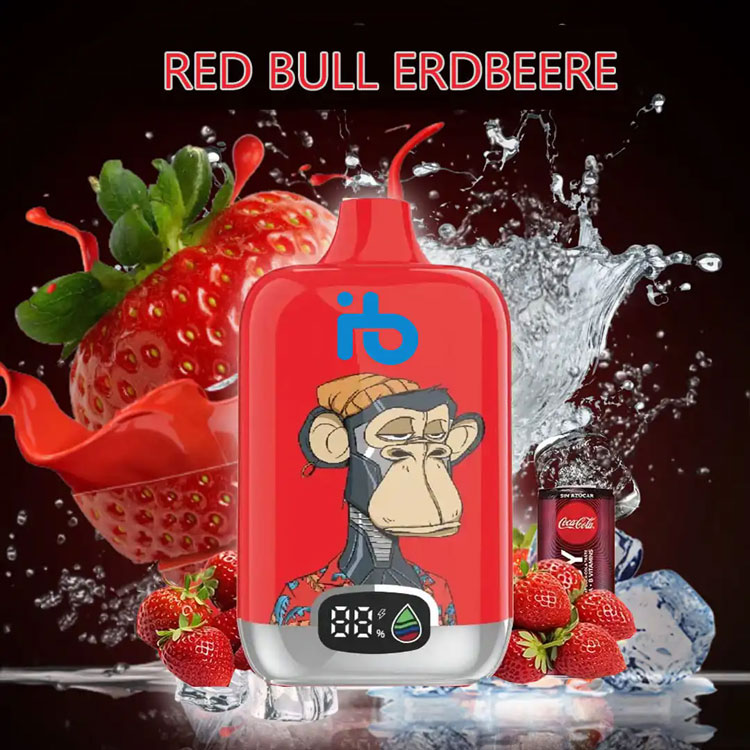
Selapj regulatory scrutiny and safety considerations have become more stringent as the impact of vaping gains attention. Authorities such as the FDA in the United States demand clear labeling and disclosure of e-liquid ingredients, ensuring users have access to the necessary information to assess what they are consuming.
This move towards transparency encourages manufacturers to maintain industry standards while promoting safer consumption practices.
FAQs on E-Cigarette Constituents
Q: Do e-cigarettes contain harmful chemicals?
A: E-cigarettes can contain harmful chemicals beyond nicotine, including heavy metals from the device’s components and residues from flavoring agents. Awareness and selection of reputable brands with transparent ingredient lists can mitigate risks.
Q: How can I tell if an e-liquid contains water?
A: Most e-liquids do not list water as an ingredient because PG and VG suffice for the e-liquid’s primary roles. It’s always advisable to read the product description or consult directly with the manufacturer.
Q: Are there regulations ensuring the safety of e-cigarettes?
A: Yes, various regions enforce regulations that demand ingredient transparency and limit harmful substances. Checking for compliance with local regulatory bodies can provide assurance of safer product usage.