E-cigarettes have surged in popularity over the past decade, becoming a global phenomenon as an alternative to traditional tobacco products. This rising trend has prompted governments worldwide to implement diverse regulations on e-cigarette usage, promoting public health and safety. Below is an exploration of how different countries manage e-cigarette policies.
United States

The United States, through the Food and Drug Administration (FDA), exerts comprehensive control over the e-cigarette market. It mandates that manufacturers disclose product ingredients and adhere to manufacturing standards. Advertising strategies are also monitored to prevent targeting minors. However, regulations can vary at the state and local levels, leading to a patchwork of laws across the nation.
Canada
In Canada, e-cigarettes containing nicotine are legal for those over 18. Since May 2018, the sale, advertising, and packaging of e-cigarettes and related products have been regulated under the Tobacco and Vaping Products Act. The Act aims to prevent access by youth while promoting harm reduction for current smokers.
United Kingdom
The UK has embraced e-cigarettes as a tool for smoking cessation. Public Health England has repeatedly stated that vaping is a safer alternative to smoking tobacco. Regulations require child-proof packaging and health warnings on packages. E-cigarettes in the UK are subject to the same advertising restrictions as tobacco, ensuring they are not marketed to non-smokers and young people.
Australia
Australia maintains strict regulations on e-cigarettes. Nicotine e-liquids require a prescription, and each state interprets the laws differently, resulting in various restrictions on usage and sales. This stringent approach stems from a cautious stance on the long-term effects of e-cigarette use.
Japan
Japan presents a unique case where nicotine-containing e-cigarettes are effectively banned. However, the market for heated tobacco products is thriving due to their acceptance under tobacco laws. The Japanese government remains cautious about the health impacts of vaping, opting for a restricted but still vibrant market.
India
In India, the government has taken a definitive stance by banning e-cigarettes altogether, aiming to protect public health, particularly youth, from potential nicotine addiction. The 2019 prohibition reflects the government’s strategy to control substance abuse and prioritize preventive healthcare measures.
China
Being the largest producer of e-cigarettes, China has started to regulate the industry rigorously. New regulations require manufacturers to obtain licenses and adhere to standards, ensuring quality control. This shift indicates a move towards protecting consumer health while balancing industry sustainability.
Common Themes
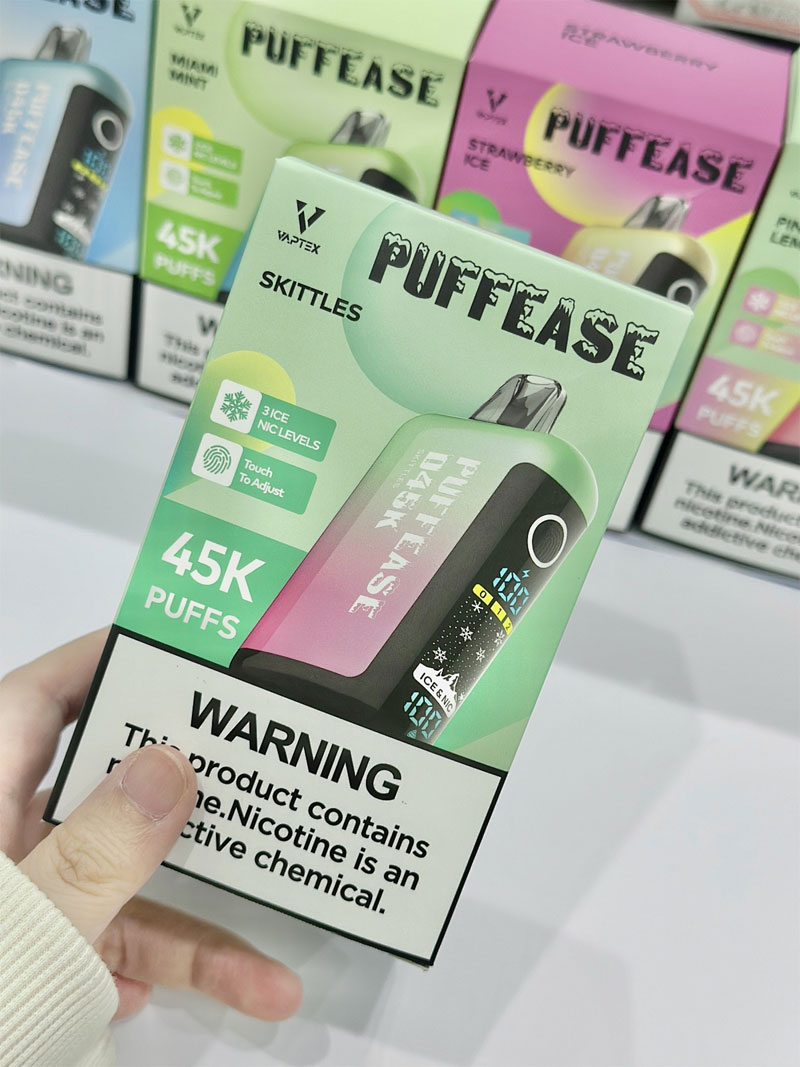
E-cigarette regulations globally vary tremendously, yet there are common themes: protecting minors, ensuring product safety, and promoting smoking cessation. Countries tailor their approaches based on public health philosophies, cultural perspectives, and existing tobacco laws.
FAQ
1. What makes e-cigarette regulations crucial?
Regulations are essential to safeguard public health, particularly in preventing young people from starting a nicotine habit. They also ensure products meet safety standards and provide consistent information to consumers.
2. Can e-cigarette policies influence smoking cessation?
Yes, evidence from countries like the UK shows that well-regulated e-cigarette markets can effectively aid in smoking cessation when integrated with broader public health strategies.
3. How do cultural differences impact e-cigarette regulation?
Cultural attitudes toward smoking and health vary, influencing the regulatory approach. Some countries focus on harm reduction, while others prioritize restriction to prevent potential health risks.