Understanding the Risks of E-Cigarettes in Relation to Popcorn Lung
In recent years, e-cigarettes have become a popular alternative to traditional smoking, with many users believing them to be a safer choice. However, concerns have arisen about the potential health impacts of these devices, specifically their connection to popcorn lung, a colloquial term for bronchiolitis obliterans, a severe respiratory condition. Understanding this connection is essential for e-cigarette users seeking to minimize their health risks.
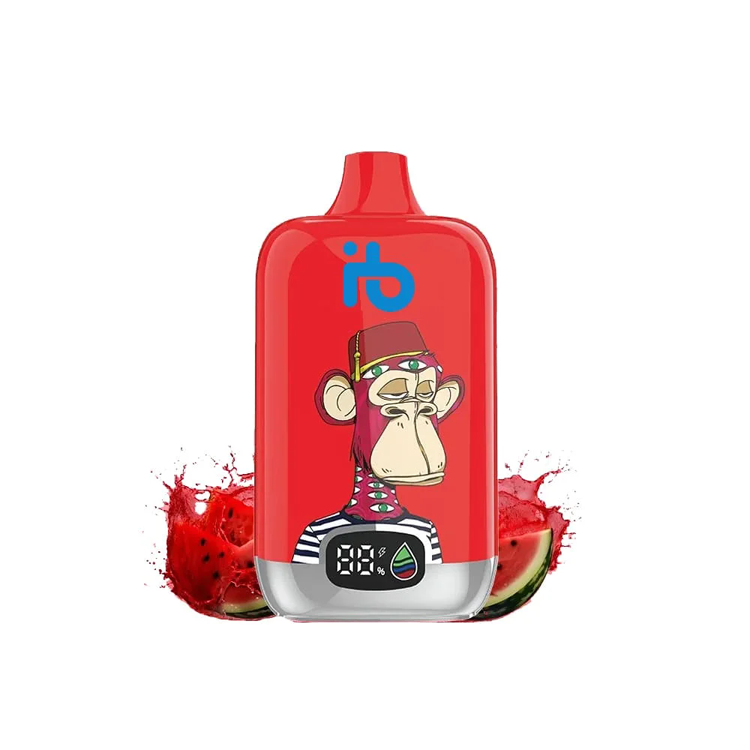
The term ‘popcorn lung’ originated from cases involving workers in microwave popcorn factories who were exposed to diacetyl, a buttery-flavored chemical. Diacetyl was found to have adverse effects on the lungs, causing inflammation and scarring that restrict airflow. E-cigarettes may contain flavoring chemicals such as diacetyl, raising alarms about similar health risks for users.
Research shows that inhaling diacetyl can harm the lungs. This has led health experts to question the safety of e-cigarettes, especially since some studies have detected diacetyl in certain vapor products. Although the levels in e-cigarettes may be lower than those in popcorn factories, the cumulative impact over time remains a concern.
What makes the potential link between e-cigarettes and popcorn lung particularly troubling is the discretionary nature of ingredient disclosure in vaping products. Unlike food products, e-cigarette labels don’t always list their chemical components, leaving consumers unaware of what they are inhaling. This lack of transparency further complicates the assessment of health risks associated with vaping.
Analyzing the Available Evidence

The scientific investigation of e-cigarettes’ safety is ongoing. Studies have not conclusively proven that vaping directly causes popcorn lung, yet the risk cannot be entirely dismissed. Some research has highlighted the presence of harmful chemicals in the vapor, which could potentially lead to lung damage over prolonged exposure.
Moreover, regulatory bodies have started enforcing stricter standards on vaping products, limiting or banning hazardous chemicals like diacetyl. This proactive approach reflects the growing awareness of potential health implications faced by e-cigarette users.
How Can E-Cigarette Users Reduce Their Risk?
Users looking to mitigate the risk of popcorn lung should consider opting for brands that offer transparent ingredient lists and steer clear from products that contain diacetyl. Staying informed about product recalls and studies related to vaping health effects can also aid in making safer choices.
In addition, monitoring updates from health organizations regarding the verified risks associated with e-cigarettes can provide guidance. Adjusting usage patterns and focusing on reduction strategies may serve as a preventive measure against possible lung damage.
FAQs About E-Cigarettes and Popcorn Lung
What is popcorn lung?
Popcorn lung is a serious condition known as bronchiolitis obliterans that causes damage to the small airways in the lungs, leading to coughing and shortness of breath.
Are all e-cigarettes potentially harmful?
While not all e-cigarettes contain harmful levels of chemicals like diacetyl, users should remain cautious about the ingredients to avoid risks associated with lung damage.
Can switching to e-cigarettes completely eliminate the risks associated with traditional smoking?
E-cigarettes may reduce exposure to certain harmful chemicals found in traditional tobacco, but they are not without their own risks, and users should weigh these carefully.