E Cigarette Definition: What Exactly Are E Cigarettes?
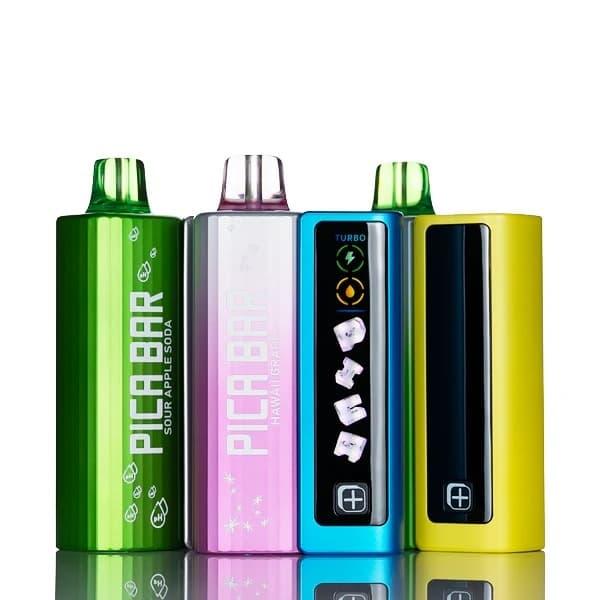
E cigarettes, also commonly referred to as electronic cigarettes or vapes, are battery-operated devices that deliver nicotine, flavorings, and other chemicals to users in the form of an aerosol, not traditional smoke. Understanding the e cigarette definition is crucial as these products have rapidly transformed the landscape of nicotine consumption worldwide. Unlike conventional cigarettes, which combust tobacco to deliver nicotine, e-cigarettes heat a liquid solution (e-liquid or vape juice) to create a vapor that users inhale. Their innovative design and the variety of flavors have made them exceptionally popular among both smokers seeking alternatives and new users, particularly young adults.
How Do E Cigarettes Work?
To succinctly grasp the e cigarette definition, it’s vital to explore how these devices operate. Every e-cigarette typically consists of a power source (usually a rechargeable battery), a heating element (coil or atomizer), and a container or pod filled with e-liquid. When the user activates the device—either by inhaling or pressing a button—the heating element vaporizes the liquid. This produces a cloud that the user inhales, mimicking the hand-to-mouth action and ‘throat hit’ of conventional smoking, but without the combustion and production of tar or many of the harmful byproducts associated with tobacco smoke.
Types of E Cigarettes
- Cigalikes: Shaped like traditional cigarettes, these early e-cigarettes are disposable or have replaceable cartridges.
- Vape Pens: Pen-shaped, refillable devices with larger batteries than cigalikes, offering more vapor and flavor options.
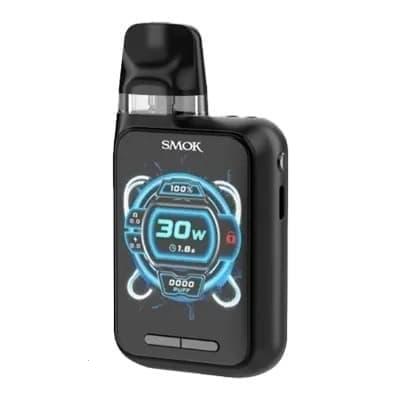
- Pod Systems: Compact with replaceable or refillable pods, popular for their ease of use and portability.
- Mods (Advanced Personal Vaporizers): Larger, customizable devices providing adjustable power settings and even more vapor production.
All of these types fall under the broad e cigarette definition, but each has unique features catering to different users’ preferences and experiences.
What Goes Into an E Cigarette?
E-liquids are made from a blend of ingredients, typically propylene glycol (PG), vegetable glycerin (VG), flavorings, and varying concentrations of nicotine. While nicotine is the prime addictive component, the absence of many carcinogens found in cigarette smoke distinguishes e-cigarettes for those interested in harm reduction. That being said, the precise contents and levels of harmful compounds can differ dramatically between products and even between batches from the same brand.
Why Do People Use E Cigarettes?
The motivation for using e-cigarettes varies. For some, the e cigarette definition is synonymous with an alternative for quitting or reducing traditional smoking. The customizable nicotine levels, flavors, and reduced presence of some toxins make them attractive as a lesser-evil approach for harm reduction. Others are drawn in purely by curiosity, peer influence, or the allure of new technology—especially among teens and young adults.
The History and Evolution: From Concept to Mainstream
The modern e-cigarette was first developed in the early 2000s, though the idea of smoke-free inhalers dates back decades. Since their introduction, e-cigarettes have undergone significant changes, both in terms of technology and regulation. Growing rapidly in popularity, their adoption has shifted mainstream smoking trends, with vaping now a multibillion-dollar global industry. The e cigarette definition has broadened to include an array of devices far beyond the original cigalike, reflecting both user demand and innovation.
Impact of E Cigarettes on Modern Smoking Trends
The introduction of e-cigarettes is reshaping the cultural and behavioral landscape of nicotine intake. Traditional smoking rates have declined in countries where vaping has gained traction, indicating a potential substitution effect. However, authorities and health professionals remain divided: some laud e-cigarettes for lowering exposure to tobacco-derived carcinogens, while others express concern about renormalizing nicotine consumption, especially among youth.
It’s noteworthy that the e cigarette definition is fluid, reflecting ongoing product evolution, usage patterns, and emerging scientific evidence.
Health Considerations and Regulatory Landscape
As e cigarettes increase in prevalence, health institutions worldwide now evaluate both their risks and potential as smoking cessation tools. While research continues, it is clear e-cigarettes are not risk-free: they can still contain addictive nicotine and other potentially harmful chemicals. Regulation differs internationally, with some countries embracing vaping for harm reduction and others restricting or banning certain products altogether.
E Cigarette vs. Traditional Cigarettes: Key Differences
- Combustion: E-cigarettes vaporize, not burn tobacco—eliminating many hazardous byproducts like tar and carbon monoxide.
- Nicotine Delivery: Both deliver nicotine, but e-cigarettes allow for more precise control over dosage.
- Aesthetic and Smell: E-cigarette vapor has a milder, sometimes pleasant aroma; traditional cigarette smoke is strong and lingering.
- Secondhand Exposure: Vaping produces aerosol rather than smoke, but the long-term effects of secondhand exposure are still under investigation.
Are E Cigarettes Safe?
The answer is complex. While e-cigarettes usually expose users to fewer harmful substances than traditional cigarettes, ‘less harmful’ doesn’t mean ‘safe.’ Ongoing research continues to probe potential health risks such as impact on lung and heart health, the effects of long-term nicotine exposure, and the risk of youth addiction. Users should pay close attention to evolving scientific guidance and local regulations regarding e cigarette use.
Conclusion: E Cigarette Definition in the Context of Modern Use
In summary, e cigarette definition encompasses a broad and fast-evolving category of devices designed to offer an alternative to smoking combustible tobacco. Their technological advancements, varied designs, and social impacts have positioned them at the forefront of changing smoking trends. Whether viewed as a harm reduction tool, a novel consumer product, or a potential public health concern, e-cigarettes continue to be at the center of scientific, social, and regulatory debate.
Frequently Asked Questions (FAQ)
- Q1: Are e-cigarettes completely risk-free?
- A: No. While generally considered less harmful than traditional smoking, e-cigarettes still carry health risks, especially regarding nicotine dependency and unknown effects from long-term use.
- Q2: Can e-cigarettes help me quit smoking?
- A: Some smokers have successfully used e-cigarettes as a cessation aid, but results vary. Consult healthcare professionals for tailored advice and consider FDA-approved cessation products.
- Q3: What is the legal age for purchasing e-cigarettes?
- A: The legal purchasing age varies by country and sometimes by region—commonly set at 18 or 21. Always check your local laws regarding e cigarette definition and regulation.