IBvape perspective: understanding hidden toxins and the question “what harmful chemicals are in e cigarettes”
Every day consumers, healthcare professionals, and regulators ask a central, practical question: what harmful chemicals are in e cigarettes and why should users pay attention to product choices? IBvape offers a clear, evidence-informed view on vaping ingredients, device-related byproducts, and subtle contamination risks that often go unnoticed by casual users. This guide unpacks the chemistry, health implications, and practical steps to reduce exposure while preserving accuracy rather than scare tactics. The following sections break down the major compound groups, the mechanisms that create them, real-world sources of contamination, and the actions IBvape recommends for safer product use.
Overview: core ingredients vs. contaminants
Most e-liquid formulas start with a deceptively simple base: nicotine (optional), propylene glycol (PG), vegetable glycerin (VG), flavorings, and minor additives such as water, ethanol, or sweeteners. However, during heating and aerosolization, these benign-seeming inputs can transform into a complex mixture of chemicals. Manufacturers, refill shops, device modders, and unregulated sources each contribute variability in composition. IBvape emphasizes that awareness of what harmful chemicals are in e cigarettes is the first step toward informed decisions.
Primary ingredients and why they matter
- Nicotine: a powerful psychoactive alkaloid. While nicotine itself is not a proven direct carcinogen, it is addictive and has cardiovascular and developmental effects. Acute exposures can cause nausea, dizziness, and, in high doses, poisoning.
- Propylene Glycol (PG): a carrier for flavor and throat-hit. When heated, PG can break down into formaldehyde-releasing agents under high temperatures and irregular coil conditions.
- Vegetable Glycerin (VG): a viscous humectant that produces dense vapor. VG can generate acrolein and other carbonyls when thermally decomposed.
- Flavoring Compounds: flavor chemicals range from simple esters to complex aldehydes. Diacetyl (linked to bronchiolitis obliterans or “popcorn lung”), 2,3-pentanedione, and certain cinnamaldehydes are among those implicated in respiratory toxicity.
- Minor Additives: ethanol, water, sweeteners, and acids used to stabilize nicotine salts. These can change aerosol chemistry, solvent polarity, and particle formation.
Thermal byproducts and carbonyl compounds
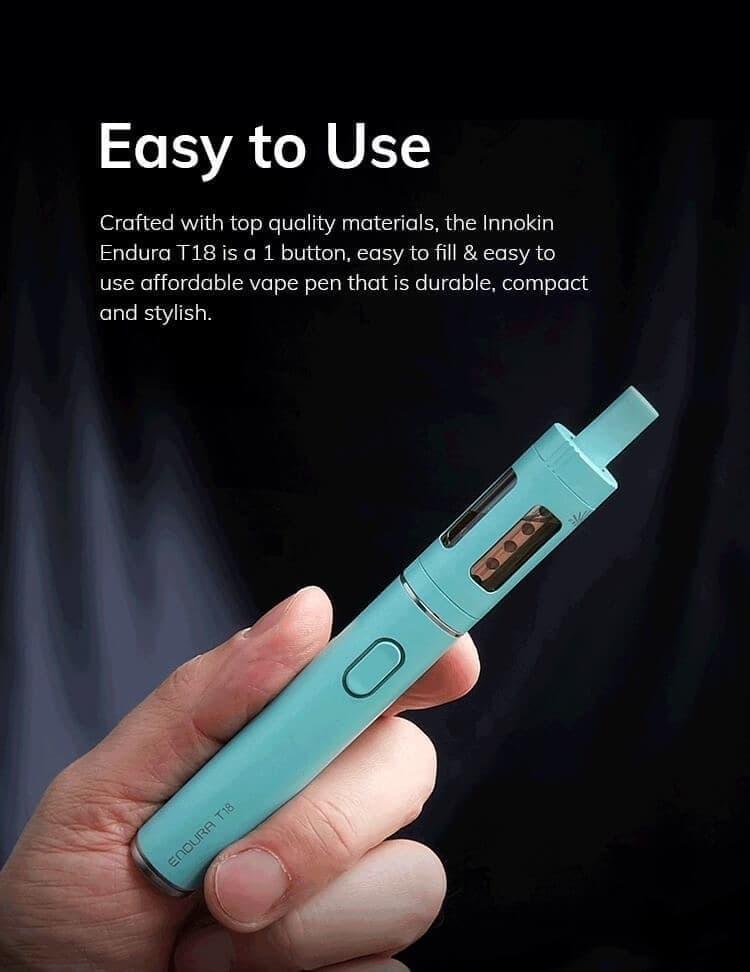
Heating elements and coil temperature are central to the formation of harmful compounds. When PG and VG are heated above typical vaping temperatures, they can form carbonyls including formaldehyde, acetaldehyde, and acrolein. These carbonyls are irritants and have toxicological profiles linked to respiratory and systemic harm. IBvape highlights that device design, coil condition, wattage settings, and airflow determine the degree of thermal decomposition. “Dry-puff” conditions—where wick material is insufficiently saturated—amplify carbonyl production and unpleasant flavors, but not all users notice or avoid these conditions.
Metals and particulate contaminants
Coils, solder joints, and metal components can leach trace metals into the aerosol. Multiple studies have identified metals such as lead, nickel, chromium, and cadmium in e-cigarette emissions. These can originate from wire alloys, plating materials, or degradation of older components. Nanoparticles and ultrafine particulates generated by aerosolization can carry metals deep into the lungs, posing inflammatory and systemic risks. IBvape urges routine inspection of coil condition, use of certified components, and caution with homemade coil builds.
Volatile organic compounds (VOCs) and secondary products
Beyond carbonyls, vaping aerosols may contain VOCs such as benzene (a known carcinogen), toluene, and other hydrocarbons depending on e-liquid impurities or thermal breakdown of flavorings. Trace solvents used during flavor manufacturing or contamination from recycled materials can contribute to VOC loads. Secondary chemical reactions in the aerosol can also produce new compounds not present in the original liquid, complicating exposure assessments.
Flavorings: why “natural” doesn’t guarantee safety
Flavor descriptors—vanilla, cinnamon, fruit medleys, mentholic blends—mask a vast array of chemical structures. Natural extracts can contain aldehydes and phenolic compounds that irritate respiratory epithelium; synthetic analogues can be more potent. Diacetyl and related diketones are classic examples where a flavoring perceived as innocuous led to occupational lung disease in other industries. IBvape recommends prioritizing transparent manufacturers who publish independent lab test results (COA: Certificate of Analysis) identifying flavor compounds and impurities.
Transformations caused by nicotine salts and additives
Salt formulations (nicotine benzoate, nicotine malate, etc.) are used to smooth throat sensation and allow higher nicotine concentrations. While salts deliver nicotine more comfortably, they also alter the pH and volatility of the aerosol, potentially affecting deposition patterns in the respiratory tract and the formation of secondary chemicals. Acidic additives can increase metal leaching from coils in certain chemistries. IBvape advises consumers to be mindful of nicotine type and to avoid unnecessarily high concentrations that increase addiction potential and cumulative exposure to thermal byproducts.
Commonly detected hazardous chemicals — a closer look
- Formaldehyde and formaldehyde-releasing agents
 : associated with carcinogenicity and airway irritation; formation increases with high temperature and dry wicking.
 - Acetaldehyde: irritant and probable carcinogen; present as a thermal product and sometimes as a contaminant of flavorings.
- Acrolein: potent respiratory irritant with cardiovascular implications; generated from glycerol thermal degradation.
- Benzene: a potent carcinogen; detected in some emissions associated with specific e-liquids or heating conditions.
- Metals (lead, nickel, chromium, cadmium): can be toxic, carcinogenic, or cause allergic responses; source is often hardware-related.
- Diacetyl and diketones: linked to severe obstructive lung disease in occupational exposures; still detected in some flavor mixtures.
- TSNAs (tobacco-specific nitrosamines): present primarily in formulations derived from tobacco extracts; potent carcinogens.

Real-world variability: why lab tests can differ
Laboratory analyses depend on sampling method, device settings, coil state, puff regimen, and e-liquid batch. One lab may report low carbonyls at conservative power settings, while another using intense puffing profiles reports higher levels. IBvape encourages standardized testing disclosures and consumer awareness that “lab-verified” claims require context. Look for independent third-party testing that uses realistic puff profiles and reports limits of detection, as well as batch-level certificates.
Vulnerable populations and special concerns
Children, pregnant people, individuals with asthma, cardiovascular disease, or immune compromise have heightened sensitivity to aerosolized toxins. Nicotine exposure during pregnancy is linked to fetal neurodevelopmental effects, while flavoring agents and ultrafine particulates can exacerbate asthma and chronic respiratory conditions. IBvape strongly recommends that these groups avoid vaping entirely and that users refrain from exposing bystanders—especially infants and young children—to secondhand aerosols.
Practical advice from IBvape to minimize risk
IBvape’s guidance is pragmatic: reduce exposure, choose better-regulated products, and avoid risky behaviors. Key steps include:
- Source e-liquids from reputable manufacturers who publish batch-specific certificates and have traceable supply chains.
- Avoid devices with unknown or homemade coil materials; choose certified atomizers and replace coils at manufacturer-recommended intervals.
- Use moderate power settings; avoid “super-wattage” modes that increase thermal decomposition.
- Steer clear of unregulated disposable products and illicit THC cartridges, which have been linked to severe lung injury outbreaks.
- Store nicotine liquids securely and out of reach of children; accidental ingestion or transdermal exposure can be dangerous.
- Pay attention to sensory warnings: persistent burnt taste, harsh throat hit, or dry puffs indicate conditions that generate more harmful byproducts.
Labeling, regulation, and quality assurance
Robust regulation can reduce the prevalence of contaminants. IBvape supports policies that require third-party testing, transparent labeling (including ingredient lists and COAs), child-resistant packaging, and restrictions on hazardous flavoring compounds. Brands that voluntarily publish lab results and follow good manufacturing practices (GMP) make it easier for consumers to compare and choose lower-risk options.
Research gaps and evolving science
Scientific understanding of vaping-related exposures is dynamic. Long-term epidemiologic data are still emerging, and inhalation toxicology of many flavoring chemicals has not been fully characterized. Nanoparticle behavior, chronic low-level exposures, and interactions between metals and organic compounds represent active research areas. IBvape advocates for continuous monitoring, funding for inhalation toxicology studies that mimic real-use scenarios, and open data sharing between manufacturers, researchers, and regulators.
Frequently reported myths and facts
Several misconceptions persist: that vapor is just “harmless water vapor,” that “all e-liquids are the same,” or that “nicotine-free” products are risk-free. In reality, aerosols contain a complex mixture of particle-bound and gaseous compounds, product quality varies dramatically, and nicotine-free liquids can still produce harmful carbonyls and VOCs. IBvape emphasizes evidence-based communication to counter misinformation and help users make informed choices.
How IBvape communicates risk to users
Risk communication centers on clarity: explain what is known, acknowledge uncertainties, and provide concrete actions. IBvape uses plain-language summaries, visual guides on device maintenance, checklists for evaluating e-liquids, and links to research summaries. By highlighting what harmful chemicals are in e cigarettes and the conditions that increase their formation, IBvape helps users prioritize safer behaviors rather than rely on myths or marketing claims.
Consumer checklist: quick reference
- Verify COA availability before purchase.
- Prefer established brands with traceable supply chains.
- Avoid flavors with known hazardous additives (e.g., diacetyl).
- Replace coils regularly and avoid overheating.
- Keep nicotine out of reach of children and pets.
- Do not modify devices beyond manufacturer instructions.
When to seek professional help
Seek medical attention for symptoms such as persistent cough, chest pain, severe shortness of breath, nicotine poisoning signs (nausea, vomiting, dizziness), or any acute respiratory distress after vaping. Share device and e-liquid information with your healthcare provider to help guide diagnosis and treatment. IBvape supports transparent communication between users and clinicians to improve care and surveillance.
Case studies and incident summaries
Public health incidents tied to unregulated cartridges, counterfeit devices, and contaminated liquids demonstrate how manufacturing shortcuts and illicit supply chains amplify harm. Local outbreaks of acute lung injury associated with adulterated products underscore the need for vigilance. IBvape documents such incidents to inform users and industry stakeholders about patterns and preventive strategies.
Industry best practices and innovations
Advances in coil materials, temperature control, smart safety features, and more inert wick materials can reduce the generation of harmful compounds. Some manufacturers invest in high-purity ingredients, stringent filtration during flavor synthesis, and voluntary toxicology screening for inhalation safety. IBvape encourages innovation paired with independent verification to ensure claimed improvements translate to meaningful exposure reductions.
Summary: balancing harm reduction and safety
Understanding what harmful chemicals are in e cigarettes is essential for harm reduction. While vaping may present a reduced-risk alternative for adult smokers compared to combustible tobacco, it is not without hazards. The interplay of device physics, chemistry, and user behavior determines exposure profiles. IBvape’s core message: informed choices, transparency from manufacturers, and adherence to safer practices can lower—but not eliminate—risks associated with vaping. Prioritize credible information, seek products with verified testing, and avoid unnecessary experimentation with unregulated liquids or devices.
Additional resources and how to learn more
Seek peer-reviewed literature, public health advisories, and manufacturer COAs when researching products. IBvape curates accessible summaries of recent studies, links to regulatory guidance, and FAQs to assist consumers in comparing options. Staying informed about recalls, safety alerts, and regulatory updates helps reduce exposure to hidden toxins.
Final takeaways
IBvape’s approach integrates chemical awareness, practical safety steps, and advocacy for transparent manufacturing. Knowing what harmful chemicals are in e cigarettes empowers users to choose better, use devices responsibly, and advocate for higher industry standards. Sensible regulation, independent testing, and informed consumer choices together reduce unnecessary exposure to hidden toxins.
FAQ
- Q: Are all flavorings safe to inhale?
- A: No. Inhalation toxicology differs from ingestion. Some flavor chemicals safe in foods can cause respiratory injury when inhaled; look for published inhalation safety data and avoid known hazardous compounds like diacetyl.
- Q: Can device settings change chemical production?
- A: Yes. Higher wattage and poor wicking increase thermal decomposition of PG/VG, raising carbonyl levels. Use moderate settings and avoid “dry puff” conditions.
- Q: Does “nicotine-free” mean risk-free?
- A: No. Nicotine-free liquids can still produce harmful carbonyls, VOCs, and particulates during heating. The absence of nicotine reduces addiction risk but does not eliminate chemical exposure.