E-cigarettes have become a ubiquitous alternative for traditional smokers seeking a different way to consume nicotine. Understanding the ingredients in e cigarettes is crucial for users and those considering making the switch. E-cigarettes typically contain fewer chemicals compared to conventional cigarettes, which is a primary reason for their growing popularity. But what exactly goes into these vaporizers?
Core Components of E-Cigarettes
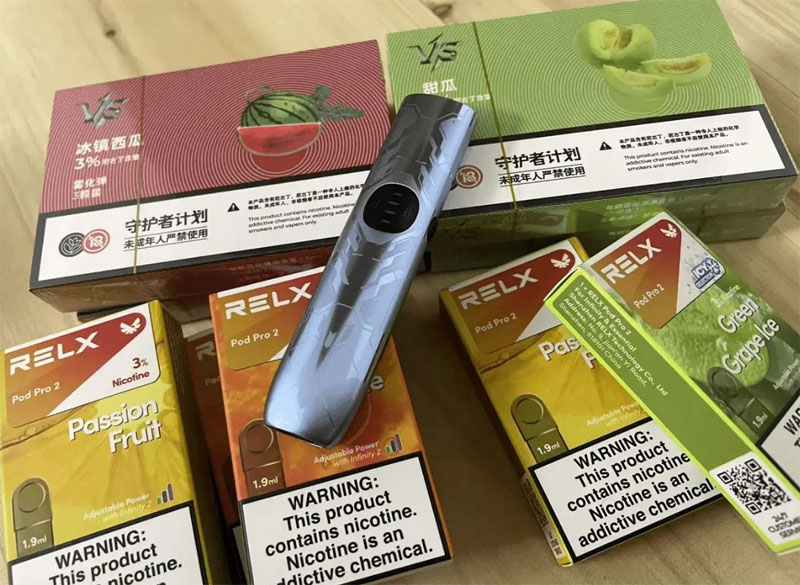
Unlike traditional cigarettes which burn tobacco, e-cigarettes operate using a liquid called e-liquid or vape juice. This liquid is vaporized through an electronic heating element and inhaled. The primary ingredients of e-liquids include propylene glycol, vegetable glycerin, nicotine, and flavorings.
Propylene Glycol (PG)
Propylene Glycol, or PG, is a colorless and odorless liquid that serves as a carrier for flavors and nicotine. Its main role is to provide the “throat hit” that mimics the sensation of smoking tobacco. PG is considered safe for consumption, being widely used in food products and medical inhalers.
Vegetable Glycerin (VG)
Vegetable Glycerin is another base ingredient, known for its sweet taste and thick consistency. It is responsible for producing the vapor or cloud when exhaled. VG is derived from plant oils like palm and soy; it’s also a common ingredient in food products, cosmetics, and pharmaceuticals.
Nicotine
Nicotine is the addictive component found in e-cigarettes, obtained separately from tobacco plants. It comes in various concentrations, allowing users to gradually reduce their nicotine intake if desired. It’s crucial to understand, despite its addictive properties, nicotine in e-cigarettes is free of the harmful tar and many toxic chemicals found in regular cigarettes.
Flavorings
Flavorings in e-cigarettes range widely, from menthol to fruity flavors, and are often what attracts users to e-cigarettes in the first place. These flavorings, however, have raised some health concerns, particularly regarding their potential respiratory effects when inhaled. Many flavorings are food-grade, but their safety in vaporized form is still under research.
Additional Additives
Besides these primary ingredients, some e-liquids may also contain additives to enhance vapor production, throat hit, or flavor stability. However, it’s recommended to use products that have undergone testing for safety and quality assurance by reputable manufacturers.
The Science Behind E-Cigarette Vaporization
E-cigarettes function by heating the e-liquid to produce an aerosol or vapor. The aerosol is formed when the liquid is heated by a coil, powered by a battery, and turned into vapor. This vapor is then inhaled by the user. The absence of combustion reduces the number of harmful chemicals inhaled compared to smoking but does not eliminate all risks.
Health Implications and Debates
While e-cigarettes are marketed as a safer alternative, it’s important to note that “safer” does not equate to “safe.” The long-term health effects are still being studied, with some research suggesting potential risks to heart and lung health. Regulatory agencies are continuously assessing these products to provide guidance and ensure public safety.
FAQs
Q: What are the most common e-cigarette flavors?
A: Some of the most popular flavors include mint, tobacco, blueberry, and candy-like flavors such as gummy bear.
Q: Can e-cigarettes help in quitting smoking?
A: While some users have successfully used e-cigarettes to reduce or quit smoking, they are not officially approved as cessation tools by all health organizations.
Q: Are all e-liquids the same?
A: No, e-liquids vary widely in terms of nicotine content, base composition, and flavor quality. It is crucial to select products from reputable brands that provide transparency about their ingredients and manufacturing processes.