Practical guidance for switching from tobacco to vapor and selecting an effective quitting device
Switching from combustible cigarettes to a less harmful alternative is a journey that combines psychology, habit change, product choice, and small practical steps. In this comprehensive guide you’ll find clear, practical, and research-aware tips on how to use e-cigarettes as a stepping stone away from smoking, plus actionable guidance to identify the best e-cigarette for quitting smoking for your needs. The aim here is to help people make an informed move, minimize relapse risk, and choose a device that supports a gradual reduction in nicotine dependence.
Why some smokers choose electronic devices and how to think about them
Many adults who try to stop smoking report that the behavioral and sensory aspects of smoking are as important as nicotine itself. A well-chosen e-cigarettes setup can replace the hand-to-mouth ritual, replicate throat-hit sensations, and deliver manageable doses of nicotine while eliminating many of the harmful byproducts produced by burning tobacco. When you are exploring the idea of quitting, think in layers: nicotine management, ritual substitution, flavor preference, and social/psychological supports. Combining these elements increases the odds that a device will genuinely help someone quit.
Key benefits to consider
- Titration of nicotine: Devices allow you to adjust nicotine strength so you can step down gradually.
- Behavioral match: Similar draw, hand feel, and visible vapor help satisfy learned behaviors.
- Choice and personalization: Pods, disposable options, and refillable systems provide fits for different lifestyles.
- Cost and convenience: Many devices reduce long-term cost compared with packs of cigarettes.
Not a universal panacea — context matters
While many smokers achieve success by switching to e-cigarettes, outcomes vary. Factors such as addiction severity, support systems, mental health, and access to quality devices are important. Device choice alone won’t ensure success; pairing a well-matched device with behavioral strategies and, when appropriate, professional support provides the best chance of quitting permanently.
How to evaluate the best quit-support device for you
When hunting for the best e-cigarette for quitting smoking, consider features that directly influence your ability to stop combustible tobacco. Below are practical selection criteria and why each matters.

1. Nicotine delivery and adjustable strength
Choose a device that supports the nicotine concentration you need. If you are a heavy smoker, starting with a higher nicotine e-liquid or nicotine salt pod (e.g., 20–50 mg/mL, depending on your region’s regulations) can prevent cravings and reduce relapse risk. Over time you can lower concentration gradually. Devices that accept both freebase and nicotine salt e-liquids, or that allow a wide range of pod strengths, are usually more versatile.
2. Usability and learning curve
For many beginners, a simple draw-activated pod or well-known disposable is easier to adopt than a complex mod with wattage adjustments. The best solution is one you will actually use consistently. Look for leak-resistant pods, straightforward refilling (if refillable), and reliable battery life.
3. Throat hit and vapor production
Throat hit is the physical sensation that often helps satisfy former smokers. Nicotine salts typically provide a stronger throat hit at lower power than freebase nicotine; higher-wattage devices produce more vapor and a different sensation. If replicating the feel of smoking is important to you, try a device and liquid combination that mimics that sensation.
4. Portability and battery life
If you are out all day, a device with a durable battery and fast charging reduces moments of temptation. Smaller pod systems are pocket-friendly and discreet; they often have enough capacity to last a day for light to moderate users. For heavy users, look for larger battery capacities or carry a backup.
5. Flavor options and satisfaction
Flavor matters: finding a pleasant, satisfying taste reduces the urge to return to cigarettes. Fruit, menthol, and tobacco-like e-liquids are common starting points. Many people find menthol or mild tobacco flavors helpful early on; others prefer non-tobacco flavors to create a meaningful separation from cigarettes.
6. Cost and availability
Consider the total cost of ownership: initial device price, pods or e-liquid refills, coils (for refillable systems), and accessories. For some, disposables minimize upfront commitment; for others, refillable systems cut costs over months. Accessibility to replacement parts or cartridges helps maintain continuity in your quit plan.
Popular device categories and who they suit
Understanding device categories helps narrow choices quickly when looking for the best e-cigarette for quitting smoking.
Pod systems
Pros: Portable, easy to use, little maintenance, many use nicotine salts for efficient nicotine delivery. Cons: Pod replacements create ongoing costs; limited customization.
Disposable e-cigarettes
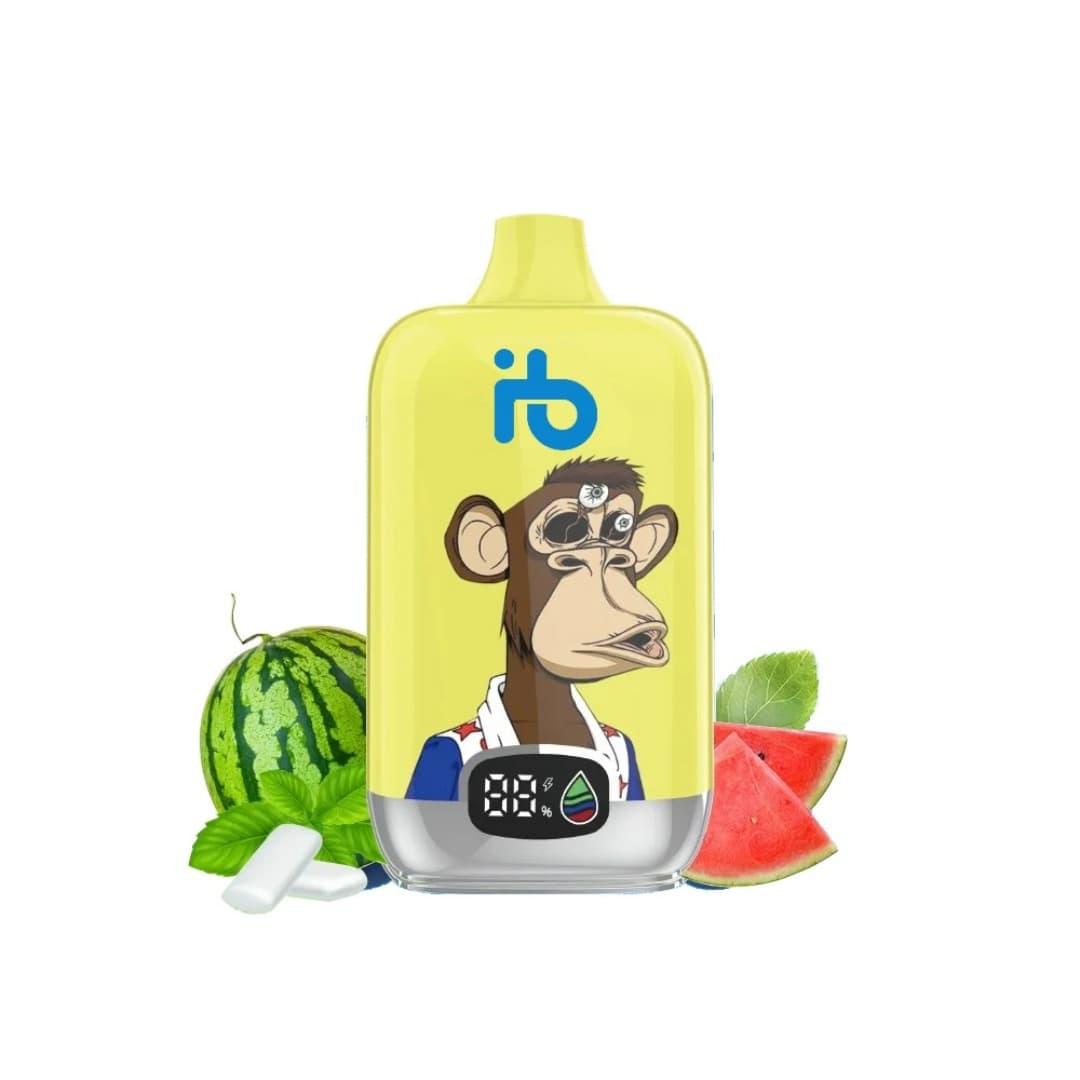
Pros: Very low setup friction, no refilling, convenient for travel or trial periods. Cons: Wasteful, can be more expensive per puff, limited nicotine options in some markets.
Refillable pod/mod systems
Pros: Cost-effective long-term, broad flavor/nicotine options, more control over throat hit and vapor. Cons: Require maintenance (coils, refilling), steeper learning curve for newcomers.
Advanced devices (mods)
Pros: Full control over power and airflow; best for experienced ex-smokers seeking specific sensations. Cons: Overkill for many who just want to quit; more technical and higher initial cost.
Practical step-by-step plan to quit with a vaping strategy
- Set a quit date: Choose a realistic date to stop smoking and begin exclusive use of your chosen device. A planned switch reduces impulsive relapse.
- Pick an appropriate starter kit: For most smokers, a reliable pod system or high-quality disposable with nicotine salts is the simplest first step.
- Match nicotine strength: Start with a nicotine level that controls cravings. If you feel under-dosed, cravings may push you back to cigarettes; if you feel over-dosed, reduce gradually.
- Create a taper plan: Plan to reduce nicotine strength or decrease daily puffs over weeks to months; keep a written or app-based tracking of progress.
- Replace rituals: Identify moments when you smoke and replace the action with a short walk, water, or a flavored vape without nicotine in the later stages.
- Manage triggers: Keep non-vaping coping tools (gum, deep breathing, support lines) and avoid high-risk environments initially.
- Monitor and adapt: If a device fails or fails to satisfy, switch to a different form (pod vs. disposable) rather than returning to cigarettes.
Daily habits that support quitting
- Track each cigarette you avoid and celebrate small wins.
- Use lower-nicotine pouches or e-liquids when you feel stable to speed tapering.
- Stay hydrated and keep breath mints to deal with oral fixation.
- Exercise when possible—physical activity reduces nicotine cravings.
Safety, regulation, and quality considerations
Not all products are equal. Choose reputable manufacturers and retailers to reduce the risk of malfunctioning devices or contaminated e-liquids. In many jurisdictions, products from regulated manufacturers will indicate compliance with local safety standards. Follow basic safety rules: use correct chargers, avoid leaving batteries in hot cars, and dispose of disposable devices responsibly. If you have underlying health conditions, consult a healthcare professional before starting any nicotine-delivery alternative.
Know the common problems and fixes
Leaking pods: store upright and change coils/pods regularly. Weak throat hit: try nicotine salts or slightly higher nicotine temporarily. Short battery life: ensure proper charging and consider a backup battery or larger device. If mouth or throat irritation occurs, lower nicotine concentration or change flavors.
How to tell if a device is helping you quit
Signs that your chosen e-cigarettes approach is working include: fewer cigarettes smoked per day, longer smoke-free periods, reduced cravings, improved sense of taste and smell, and positive mood changes. If you’re substituting one addictive behavior for another without reducing nicotine intake or smoking frequency, reassess your device, nicotine level, and support plan.
When to seek additional help
If you still smoke frequently after switching, experience worsening health symptoms, or have difficulty managing withdrawal or mental health issues, seek professional support. Behavioral counseling combined with a carefully selected nicotine-replacement strategy often yields superior outcomes compared to device use alone.
Checklist: Essential attributes of the best quitting device
- Consistent nicotine delivery appropriate for your previous smoking level.
- Ease of use with minimal maintenance.
- Reliable battery life for your daily routine.
- Flavor and throat-hit options that satisfy you.
- Durable, leak-resistant build and good reviews from verified users.
- Accessible replacement parts or e-liquids where you live.
Example purchase scenarios
If you smoke a pack a day and prefer low fuss, consider a reputable pod system that uses nicotine salts and offers a range of pod strengths. If you smoke less than a pack and enjoy tinkering, a refillable pod with adjustable airflow might be ideal. For travelers or people who want minimal upfront commitment, quality disposables are a reasonable trial product before investing.
Behavioral strategies that amplify product effectiveness
Nicotine replacement is a tool; behavioral change is the mechanism that makes quitting durable. Use SMART goals (Specific, Measurable, Achievable, Relevant, Time-bound), enlist an accountability partner, set environmental cues that discourage smoking, and reward milestones. Track cravings and triggers in a small notebook or app and replace the cigarette ritual with a short list of alternative actions.
Combining methods
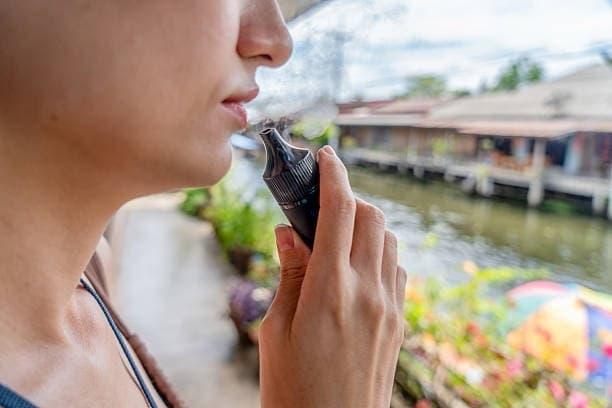
Some quitters combine e-cigarettes with other aids such as nicotine gum for breakthrough cravings or counseling for habit change. This mixed approach can be more effective than any single method.
Common mistakes and how to avoid them
- Choosing the wrong nicotine strength: If it’s too low you’ll relapse; if too high you’ll feel ill. Adjust thoughtfully.
- Switching devices too often: Give a product at least a couple of weeks to see if it fits before concluding it doesn’t work.
- Isolating yourself: Social support matters—consider buddy systems or support groups.
- Underestimating triggers: Plan for social events, stress, and alcohol-related cues.
Measuring progress and maintaining momentum
Create small milestone rewards (1 week, 1 month, 3 months smoke-free) and measure outcomes beyond cigarette counts—better sleep, more stamina, improved hygiene, and saving money are reinforcing indicators. If you plateau, tweak nicotine level, device ergonomics, or behavioral supports rather than assume failure.
Final considerations and an honest appraisal
Not everyone will choose e-cigarettes as their preferred quitting aid, but for many, a carefully chosen device combined with a supportive plan produces excellent results. The best e-cigarette for quitting smoking is the one that meets your nicotine needs, fits seamlessly into your life, reduces craving frequency, and helps you reduce and eventually stop nicotine use on your own terms. Be pragmatic: prioritize functionality, product quality, and an evidence-informed tapering plan.
If you want a short action plan right now: pick a reputable starter kit, match nicotine strength to your current smoking level, set a quit date within two weeks, get a backup supply, and arrange one behavioral support method (counselor, friend, or app). Follow up by slowly reducing nicotine in predictable steps over several weeks to months.
Wishing you patience and persistence on the path away from combustible tobacco. Small consistent changes compound into lasting freedom from cigarettes.
FAQ
- Can any device help me quit?
- No single device guarantees success. The best outcomes come from combining an appropriate device (one that satisfies nicotine and ritual needs) with behavioral support and a clear reduction plan.
- How long should I use a vaping device before trying to stop nicotine entirely?
- There’s no single timeline—many people taper over 3–12 months. The key is steady reduction while avoiding relapse to smoking.
- Are nicotine salts better for quitting?
- Nicotine salts can provide faster and smoother nicotine delivery at lower wattages, making them helpful for many smokers transitioning away from cigarettes. They are one option among several.
If you want targeted recommendations based on smoking history, daily consumption, and flavor preferences, list those details and a tailored, stepwise plan can be created to help identify the best e-cigarette for quitting smoking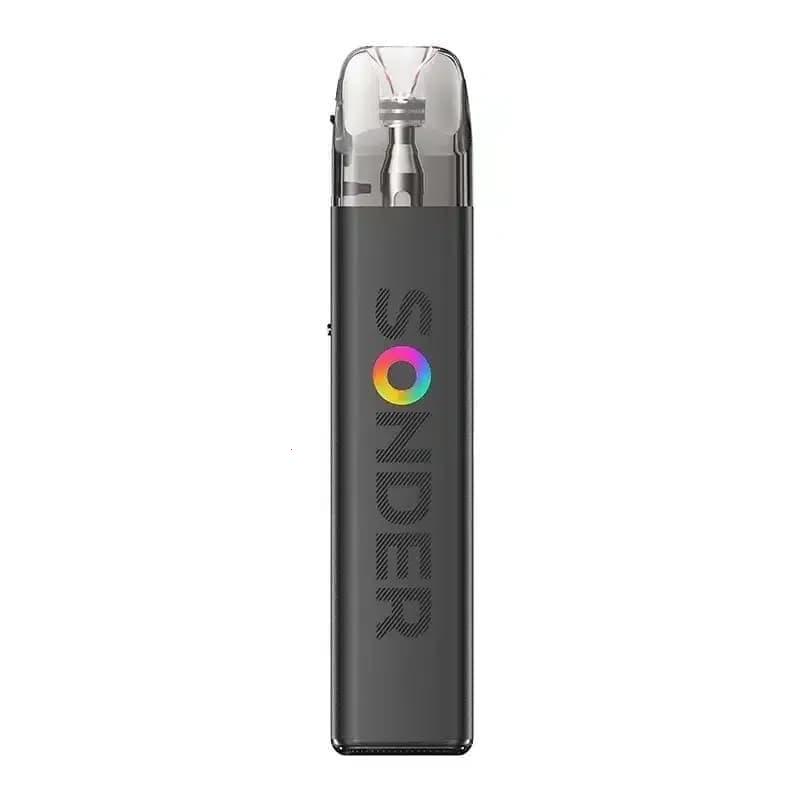 that matches your situation.