Understanding E-Cigarette Ingredients: The Hidden Chemicals
Electronic cigarettes, commonly known as e-cigarettes, have surged in popularity as a presumed safer alternative to traditional smoking. However, what many users overlook is the vast array of chemicals in e-cigarettes that might pose potential health risks. This article delves into these substances, exploring their presence, effects, and what every user should know.
What Makes Up an E-Cigarette?
The primary components of an e-cigarette include the device itself and the e-liquid inside. The device typically contains a battery, an atomizer, and a mouthpiece. It is the e-liquid, also known as e-juice, that raises concerns due to its chemical composition. The key ingredients in e-liquid are propylene glycol, vegetable glycerin, nicotine, and various flavorings. However, during the vaping process, other chemicals in e-cigarettes are introduced.
The Role of Propylene Glycol and Vegetable Glycerin
Both propylene glycol (PG) and vegetable glycerin (VG) are deemed safe for consumption by the FDA for certain purposes, yet their inhalation over a prolonged period is still under investigation. PG is utilized for its ability to provide a throat hit, mimicking traditional smoking, while VG is responsible for the vapor production. Although they are considered safe, the heating process might convert them into chemicals that could be harmful over time.
Nasty Additives: Flavorings and Nicotine
Flavorings draw individuals into e-cigarettes with numerous appealing options, from fruits to more eclectic tastes like cotton candy. Nevertheless, these enticing varieties often harbor volatile organic compounds (VOCs) that can transform into carcinogens when exposed to the heating process. Furthermore, nicotine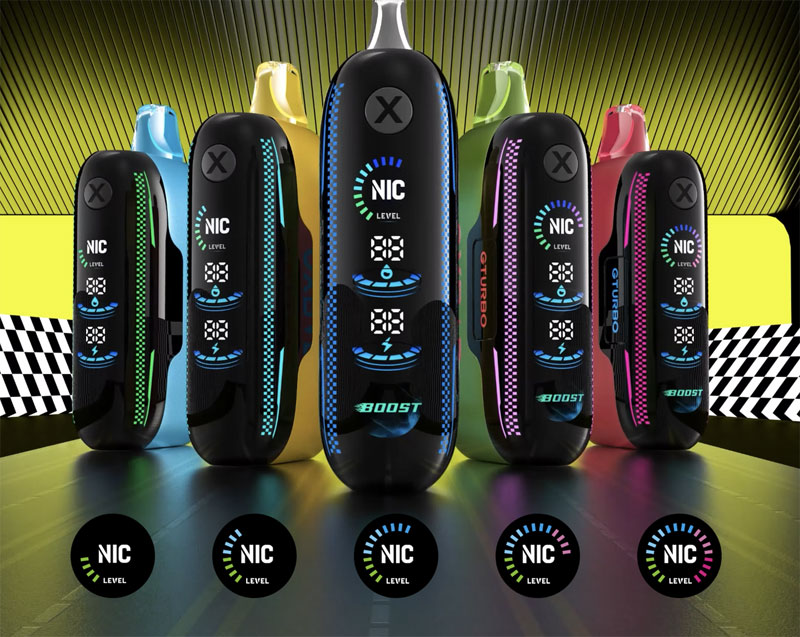 , a highly addictive substance, is the hallmark of e-cigarettes. While in smaller quantities compared to traditional cigarettes, its addictive nature and potential health impacts remain a concern.
Unveiling the Unknown: Toxic Chemicals Identified
An alarming aspect of e-cigarettes is the presence of additional toxic substances generated during the heating and vaporization of e-liquid. Chemicals such as formaldehyde, acetaldehyde, and acrolein have been detected, all known for their negative health effects. In-depth studies have shown that the levels of these chemicals in e-cigarettes vary greatly depending on factors like the device used, the e-liquid formulation, and user behavior.
Health Implications and Concerns
The potential health effects of long-term exposure to chemicals in e-cigarettes remain largely understudied, rendering them a ticking time bomb for regular users. Respiratory issues, increased risk of cardiovascular diseases, and potential carcinogenic effects are among the chief concerns. Concerns particularly mount about youth and young adults, who might be jeopardizing their developmental health unknowingly.
The Regulatory Landscape
Despite the presence of multiple chemicals in e-cigarettes, regulatory measures vary greatly worldwide. In some countries, e-cigarettes are heavily regulated, whereas in others, oversight is minimal, leading to a proliferation of unregulated products on the market. Regulatory advancements aim to address these discrepancies and protect public health, yet the timeline for widespread implementation remains unclear.
Conclusion
The prevalence and allure of e-cigarettes warrant cautious consideration, especially considering the number of hidden chemicals in e-cigarettes that users might inadvertently expose themselves to. Acknowledging these risks and advocating for stronger regulation could help mitigate the potential adverse health effects associated with e-cigarette use.
FAQs
Q1: Are e-cigarettes less harmful than traditional cigarettes?
E-cigarettes might be less harmful than smoking traditional tobacco but are not entirely safe due to potential harmful chemicals they contain, including nicotine.

Q2: Can second-hand vapor from e-cigarettes be harmful?
While significantly less harmful compared to cigarette smoke, second-hand vapor from e-cigarettes contains particles and chemicals that may affect bystanders’ health.
Q3: What measures can users take to minimize risks?
Users should consider limiting their consumption, using regulated products, and staying informed about potential risks and ongoing research developments concerning chemicals in e-cigarettes.