The smart e-cigarette market is rapidly evolving, drawing in users with its advanced technology and innovative features. This surge in popularity can be attributed to the increasing demand for smoke-free alternatives to traditional cigarettes. Unlike conventional cigarettes, smart e-cigarettes provide a cleaner and often customizable smoking experience, revolutionizing the smoking culture. They are equipped with smart technology which allows users to monitor usage, nicotine intake, and even connect their devices to mobile applications for more personalized smoking experiences.
Technological Advances in Smart E-cigarettes
The integration of technology in e-cigarettes introduces features such as Bluetooth connectivity, battery life monitoring, and even cloud analytics, enabling users to track their usage patterns. These innovations not only enhance user experience but also provide a healthier alternative by reducing harmful substances found in traditional cigarettes. The market is continually expanding as manufacturers invest in research and development to innovate new functionalities and safer alternatives.
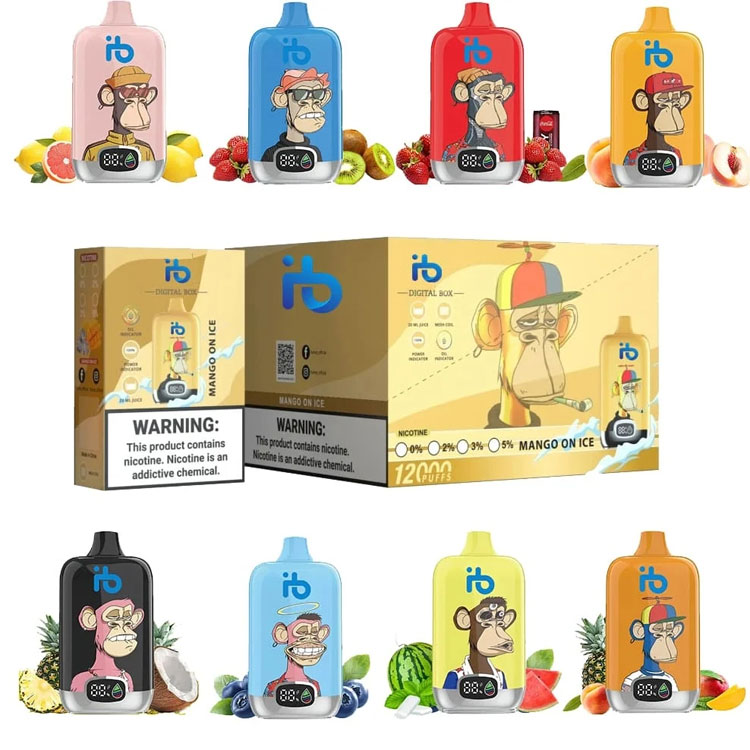
Market Drivers and Trends
One of the most significant factors driving the growth of the smart e-cigarette market is the rising health consciousness among consumers. With growing awareness of the health risks associated with traditional smoking, there is a perceptible shift towards less harmful alternatives. The market is also driven by the increasing acceptance of e-cigarettes as a viable traditional smoking cessation tool. Furthermore, the introduction of flavors and the customizable nature of these products have made them particularly attractive to younger audiences. Many companies are focusing on creating devices with adjustable power settings, temperature controls, and various flavors to cater to a broader audience.
Regulatory Aspects and Impact
Regulations pose both challenges and opportunities for the smart e-cigarette market. Policies vary significantly across different regions, impacting how these products are marketed and sold. In some areas, obtaining regulatory approval can be a long and complex process. However, this also serves as a barrier to entry, reducing competition and allowing established brands to solidify their market position. Many governments are imposing stricter regulations on nicotine content and flavorings to ensure consumer safety, which further pushes companies to innovate in compliance with these rules.
Smart E-cigarette Market Challenges
Despite its growth potential, the smart e-cigarette market does face challenges. These include regulatory hurdles, public perception issues, and the constant need for technological upgrades. There’s also the challenge of educating consumers on the benefits and proper usage of smart e-cigarettes to ensure satisfaction and health safety. Addressing these challenges requires concerted effort from manufacturers, policymakers, and health professionals.
Future Prospects
Looking ahead, the smart e-cigarette market is poised for significant growth. Technological advancements will continue to drive innovation, making these devices more appealing and user-friendly. In parallel, ongoing research into less harmful substitutes to traditional smoking is likely to broaden the market demographics. We can expect more personalized and integrated devices that offer sophisticated controls and enhanced smoking experiences.
FAQs

Q: What are some unique features of smart e-cigarettes?
A: Smart e-cigarettes are equipped with technology that allows users to track nicotine intake, monitor battery life, and even control usage through mobile apps.
Q: How do regulations affect the smart e-cigarette market?
A: Regulations can limit product availability but also push for safer, more innovative products as companies strive to comply with legal standards.

Q: Are smart e-cigarettes a safer alternative to traditional cigarettes?
A: While they are designed to be a less harmful smoking option due to reduced exposure to harmful substances, the safety can vary based on usage and regulation compliance.