The emergence of e-cigarettes has introduced a modern twist to the traditional smoking experience. As vapor clouds grow increasingly popular, many people are curious about their distinct aromas. So, what exactly do e-cigarettes smell like? This question opens a window into a whole new realm of sensory experiences associated with vaping.
The Core Ingredients and Their Impact
To truly understand the scent of e-cigarettes, it’s crucial to dissect their core components. E-liquids, the substance vaporized in e-cigarettes, are primarily composed of propylene glycol (PG), vegetable glycerin (VG), flavorings, and sometimes nicotine. Each ingredient can influence the aroma.
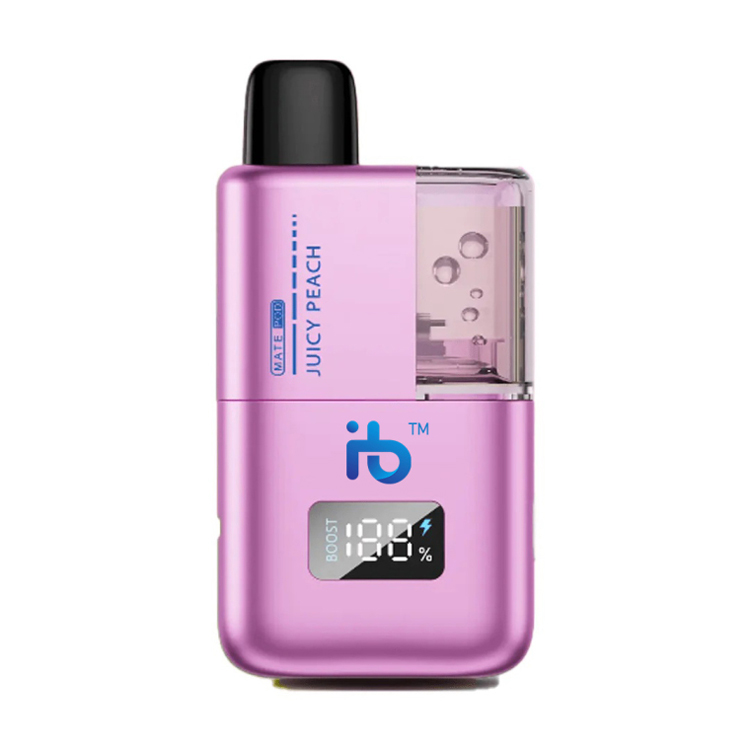
VG often imparts a subtly sweet aroma on its own, while PG, being odorless, projects the added flavors more prominently. The combination of these ingredients determines the ensuing scent profile of the vapor.
The Role of Flavors
Arguably, flavorings are the most critical determinant in how e-cigarettes smell. With an array of flavors available, ranging from fruity to minty, these added essences enhance the vapor’s fragrance. A blueberry flavored e-cigarette, for example, tends to emit a sweet and fruity aroma, reminiscent of fresh-picked berries, whereas a menthol variation might exude a sharp, refreshing scent.
Some e-liquids even mimic the aroma of traditional tobacco, offering a smoky, earthy scent for those who prefer a classic touch. Thus, the question of what e-cigarettes smell like may depend predominantly on the chosen flavor.
Comparing the Smell to Traditional Cigarettes
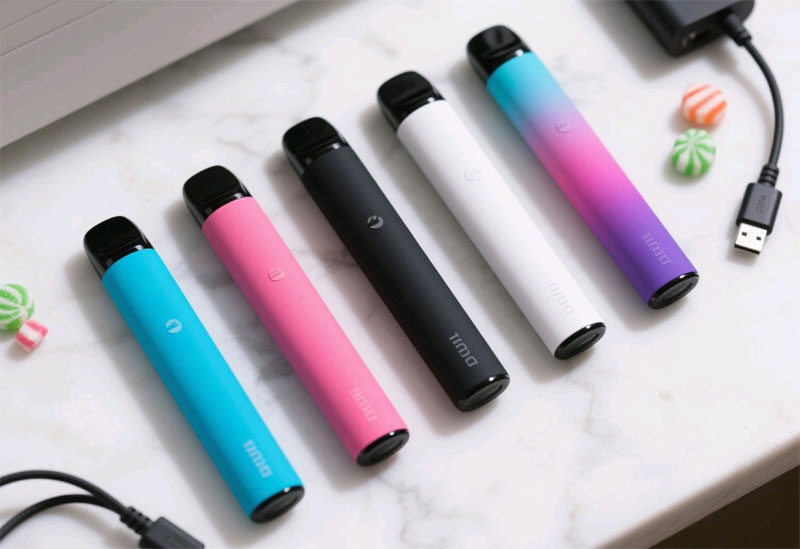
The stark contrast between e-cigarettes and their traditional counterparts is prominent in their odors. Conventional cigarettes release a potent, lingering smell that often clings to fabric and hair. In contrast, e-cigarettes are known for their generally mild fragrance that dissipates quickly, leaving little or no trace on the user or their surroundings.
For many, this lack of a persistent odor is a key attraction of e-cigarettes, providing a cleaner and less invasive experience for both the user and bystanders. Moreover, the pleasant scents of e-cigarette flavors can be more agreeable to those sensitive to tobacco smoke.
Customization and User Experience
Another interesting aspect of e-cigarettes is the versatility they offer. Users can tailor their sensory experience by creating their unique blends of flavors. What e-cigarettes smell like can vary greatly from one vaper to another, based on preference. This level of personalization is seldom achievable with traditional smoking options.
Custom blends not only create a unique sensory signature but also cater to individual taste and aroma preferences, offering a bespoke approach to vaping.
Conclusion: A New Olfactory Experience
In exploring how e-cigarettes smell, we’ve unearthed an intricate interplay of ingredients and flavors that contribute to a unique and often pleasant olfactory experience, far removed from the traditional scent of tobacco smoke. The aroma of e-cigarettes is shaped heavily by chosen flavors and the user’s personal blend preferences, which makes for an adaptable and personalized experience.
Frequently Asked Questions
Q: Can the scent of e-cigarettes affect those around you?
A: Generally, the smell of e-cigarettes doesn’t linger and is much less intrusive than traditional tobacco smoke, making it less likely to affect those nearby.
Q: Are there any flavors that resemble the smell of traditional cigarettes?
A: Yes, there are flavors designed to mimic the scent of traditional tobacco, though these are often softer and lack the smoke odor.
Q: Why do some people dislike e-cigarette scents?
A: Personal preferences vary, so while some may enjoy a particular aroma, others might find it less pleasant or too artificial, depending on the flavor composition.