In recent years, the popularity of e-cigarettes has surged, sparking a global conversation about their legal status and health implications. The question, are e-cigarettes legal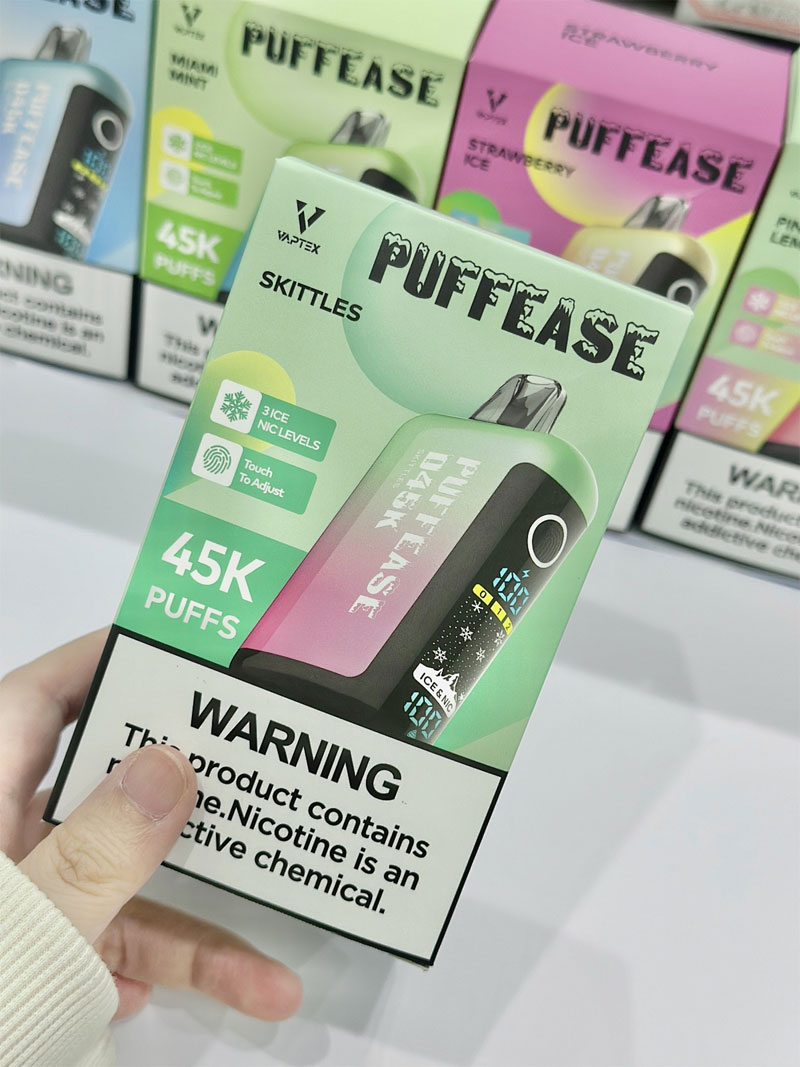 , is one that varies dramatically across different jurisdictions, influenced by local regulations, health concerns, and public perception. This complex landscape forms the backdrop for understanding where e-cigarettes stand legally in various parts of the world.
E-Cigarettes: A Brief Overview
E-cigarettes, also known as electronic nicotine delivery systems (ENDS), are devices that heat a liquid to produce an aerosol, or vapor, that users inhale. Often marketed as a healthier alternative to traditional smoking, these devices have attracted both smokers seeking to quit tobacco and new users drawn by appealing flavors and marketing.
Legal Status Across Different Regions
The legality of e-cigarettes is a patchwork of different laws and regulations influenced by health studies, economic factors, and tobacco control policies.
United States
In the United States, the Food and Drug Administration (FDA) regulates e-cigarettes as tobacco products. Retailers must comply with federal age restrictions and label standards. While federal law permits the sale of e-cigarettes, individual states and localities have the authority to impose stricter regulations, leading to bans in public places and flavor restrictions to discourage youth usage.
European Union
Within the European Union, the Tobacco Products Directive (TPD) provides a regulatory framework for e-cigarettes. It sets standards for nicotine content, labeling, and packaging. The EU’s approach aims to balance risk reduction and consumer protection, offering clear guidance to member states while allowing for some national discretion.
Asia and Other Regions
In Asia, the legal status of e-cigarettes is particularly varied. Countries like Japan restrict nicotine-containing e-cigarettes, while allowing nicotine-free versions. Conversely, nations like India and Thailand have enacted complete bans, citing concerns over youth addiction and insufficient research on long-term effects. Australia also imposes stringent regulations, requiring a prescription to legally obtain nicotine e-cigarettes.
Underlying Factors Influencing Legislation
The dynamic legal environment surrounding e-cigarettes stems from several key factors. Health Concerns: Given the relative novelty of e-cigarettes, long-term health impacts remain under study. Concerns about vapor containing potentially harmful substances spur some governments to adopt precautionary bans. Youth Prevention: The rise in underage vaping has led to tighter regulations aimed at curbing adolescent use, including flavor bans and marketing restrictions. Tobacco Industry Influence: Traditional tobacco companies have invested heavily in e-cigarettes, complicating policy discussions and leading to concerns about industry influence on legislation.
Evolving Regulations and Future Directions
As scientific research progresses and vaping trends evolve, regulatory landscapes are likely to change. Policymakers strive for a balance between protecting public health and respecting consumer choice, a challenging prospect in light of diverse societal norms and economic interests.
FAQ
Q: Are e-cigarettes safe?
A: While e-cigarettes are less harmful than traditional cigarettes, they are not completely risk-free. Long-term health effects are not fully known, and users should consider potential risks.
Q: Can I travel with e-cigarettes?
A: Regulations vary by country. Some territories allow personal use, while others restrict or ban e-cigs entirely. Check local laws before traveling.
Q: How are e-cigarettes taxed?
A: Many governments tax e-cigarettes similarly to traditional tobacco products to deter usage and generate revenue.
Understanding the legal status of e-cigarettes requires staying informed about current regulations and scientific research. As policies evolve, staying updated on changes can ensure compliance and informed decision-making.