The landscape of e-cigarette importation in Cyprus has undergone substantial changes in recent years, propelled by evolving regulations focusing on health concerns and consumer safety. Whether you’re a business dealing in vaping products or an individual consumer, understanding these regulations is crucial to ensure compliance and avoid potential penalties.
Overview of Current E-Cigarette Import Rules in Cyprus
In Cyprus, e-cigarettes are subject to stringent import rules to safeguard public health. The legal framework governing these imports is primarily designed to align with the European Union’s Tobacco Products Directive (TPD). As Cyprus is an EU member state, it adheres to these directives, which impose specific manufacturing and importation conditions.
Key Requirements for Importing E-Cigarettes
- Product Notification: E-cigarette products and e-liquids must be notified to the relevant Cypriot authorities six months before they are intended to be sold. This notification should include detailed product information, such as ingredients, nicotine content, and emissions.
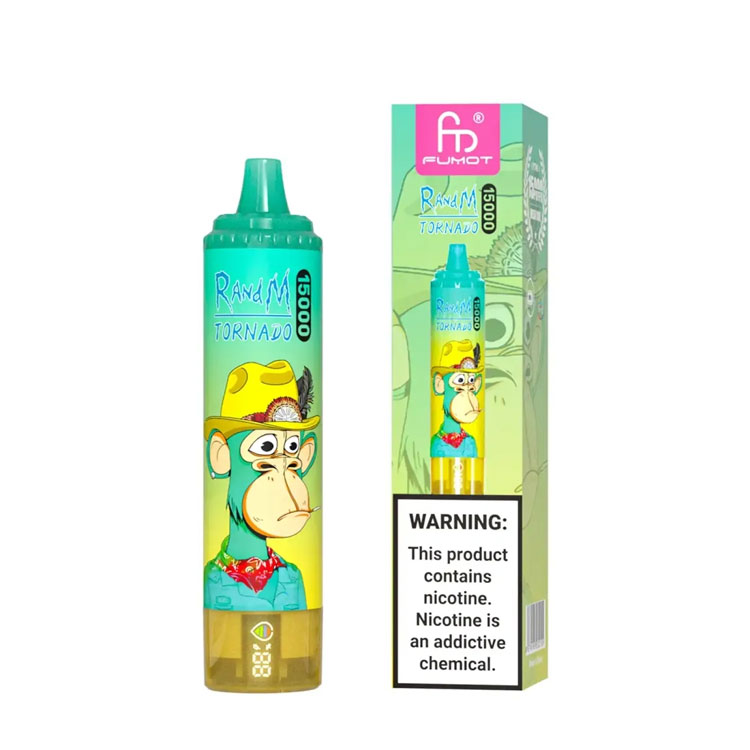
- Packaging Standards: All e-cigarette packaging must feature comprehensive health warnings that cover a significant portion of the packaging surface. Moreover, packaging should be child-resistant and tamper-evident.
- Nicotine Concentration: The nicotine concentration in e-liquids should not exceed 20 mg/ml. Higher concentrations are prohibited to minimize health risks associated with nicotine exposure.
Benefits and Challenges of Import Rules
The stringent import regulations in Cyprus bring both benefits and challenges. On the positive side, they protect consumers by ensuring that imported products meet high safety standards and are consistent in quality. However, these rules also pose challenges for importers due to the complexity and cost of compliance, which can be daunting, particularly for small businesses.
Importers must weigh these factors carefully to ensure their operations align with legal requirements while remaining economically viable.
Compliance and Enforcement
Compliance with the e-cigarette import rules in Cyprus is monitored closely by national regulatory bodies. Importers are required to maintain detailed records of their products, which are subject to inspections. Failure to comply with these regulations can result in severe penalties, including fines and revocation of business licenses.
For businesses, it is advisable to work closely with legal experts familiar with the cyprus e-cigarette import rules to navigate these regulations effectively, ensuring both compliance and competitive advantage in the market.
Impact on Consumers
For consumers, these regulations translate into a guarantee of product quality and safety. The strict controls on nicotine levels and ingredient disclosures provide peace of mind, knowing that their health is safeguarded against unsafe products. This framework also encourages a higher level of transparency and accountability within the vaping industry.
Future Trends in E-Cigarette Regulations
The regulatory environment for e-cigarettes in Cyprus is dynamic and likely to evolve further. Upcoming trends may include stricter advertising controls and even more rigorous standards for product testing and ingredient disclosure, reflecting broader health objectives and technological advancements within the industry.
Frequently Asked Questions
- What is the maximum nicotine concentration allowed in e-liquids?
- The maximum allowed nicotine concentration in e-liquids is 20 mg/ml, ensuring consumer safety.
- Are there any labeling requirements for e-cigarette products?
- Yes, labels must include health warnings and should be designed to be child-resistant and tamper-evident.
- How are the import rules enforced?
- Regulatory bodies in Cyprus oversee compliance through regular inspections and review of importers’ product records to ensure adherence to the laws.