The Chemical Components Found in E-Cigarettes
E-cigarettes have flooded the market as a seemingly safer alternative to smoking traditional tobacco products. Whether you are a current user, considering switching, or just curious, understanding what chemicals are in e-cigarettes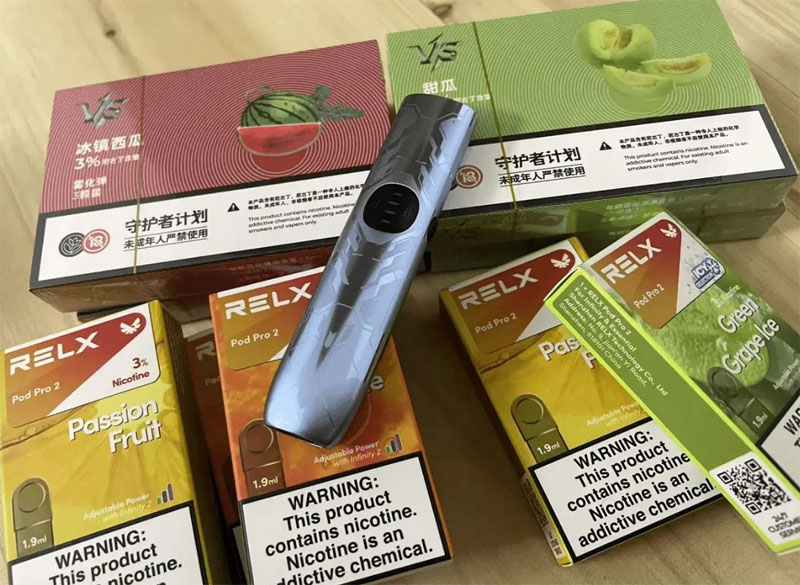 is crucial. While the term ‘vaping’ might seem harmless, it’s essential to know exactly what you’re inhaling.
Key Ingredients in E-Cigarettes
E-cigarettes, commonly referred to as vapes, primarily contain nicotine, flavorings, propylene glycol, and vegetable glycerin. Nicotine is a potent substance found in tobacco that is highly addictive, making it a major component of e-liquids. Studies have shown that this addiction can lead to long-term health complications. Additionally, the concentration of nicotine can vary, with some e-liquids containing as much, if not more, nicotine than traditional cigarettes.
Propylene Glycol and Vegetable Glycerin

Propylene glycol (PG) is a synthetic liquid substance that absorbs water and is also used in the production of food, medicines, and cosmetics. In e-cigarettes, PG acts as a carrier for flavor and nicotine, making the vapor smoother. Although generally recognized as safe for ingestion, inhaling propylene glycol may trigger respiratory issues for some individuals. Vegetable glycerin (VG), derived from vegetable oils, is thicker than PG and provides a sweeter taste. It is responsible for producing denser clouds of vapor, preferred by many users.
Flavorings Found in E-Liquids
Flavorings give e-cigarettes their appeal by offering a wide range of tastes from classic tobacco to exotic fruit blends. However, these flavors are often created using food-grade additives that have not been extensively studied in terms of their impact when inhaled. Some chemicals used in flavorings, such as diacetyl, have been linked to lung disease when inhaled, highlighting the need for more research and regulation.
Additional Chemicals in E-Cigarettes
Beyond the primary ingredients, e-cigarette vapor may contain trace amounts of harmful substances such as formaldehyde, acetaldehyde, and acrolein. These chemicals result from thermal decomposition processes during vaping at high temperatures and can have toxic effects on the body. In fact, there is ongoing debate about whether vaping exposure is less harmful than traditional smoking, mainly due to these additional chemical exposures.
Debating the Safety of E-Cigarettes
While some argue that e-cigarettes can be a valuable tool for smoking cessation, research remains inconclusive regarding their long-term safety. The absence of tar and several carcinogenic substances found in traditional cigarettes do make e-cigarettes potentially less harmful. Nevertheless, the presence of nicotine and other volatile organic compounds still pose significant health risks.
Regulation and Future Considerations
The evolving landscape of vaping has sparked discussions on regulatory measures by governing bodies. Efforts have been made to limit youth access and impose stricter guidelines on the sale of vaping products. With more extensive studies on the horizon, individuals can expect clearer answers regarding the full implications of e-cigarette use.
Frequently Asked Questions (FAQ)
Q: Is vaping safer than smoking?
A: Though vaping avoids many harmful chemicals in traditional cigarettes, it still involves nicotine and other toxic substances, making it not entirely safe.
Q: Can e-cigarettes aid smoking cessation?
A: E-cigarettes might help some reduce their smoking habits, but the addictive nature of nicotine in vapes can contribute to ongoing dependence.
Q: Are there non-nicotine e-liquids available?
A: Yes, non-nicotine e-liquids exist on the market, catering to users who prefer flavor without addictive substances.