While some may think that e-cigarettes primarily include just water and flavoring, the reality is quite different. Most e-cigarettes contain a blend known as e-liquid or vape juice, comprised of multiple elements that contribute to its effects and flavors.
Components of E-Liquids: Beyond Water and Flavoring
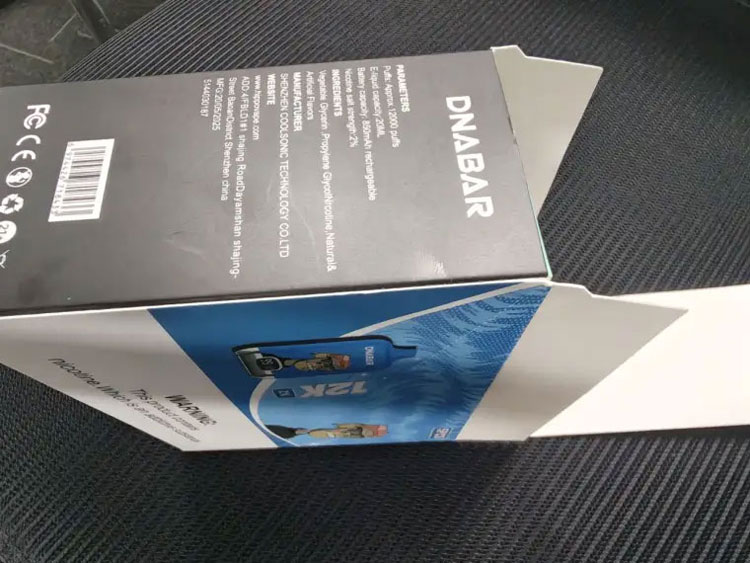
The primary components of e-liquids usually include nicotine, propylene glycol (PG), vegetable glycerin (VG), flavorings, and other chemicals. Each of these components plays a specific role:
- Nicotine: While not every e-cigarette contains nicotine, the majority do. It is included to mimic the experience of smoking traditional cigarettes, often satisfying the cravings of users who are trying to reduce or quit smoking.
- Propylene Glycol (PG): This is a common additive that serves as a carrier for flavors and nicotine. It contributes to the “throat hit” that users experience.
- Vegetable Glycerin (VG): VG is responsible for producing vapor. It is generally used in combination with PG to create a balanced experience.
- Flavorings: These are the compounds that provide the taste and aroma in vape juices. They can vary widely, offering flavors from traditional tobacco to fruity and sweet varieties.
- Other Chemicals:
 A mix of additional additives may be present to stabilize the mixture or enhance flavors.
The Role of Nicotine in E-Cigarettes
The presence of nicotine, a substance derived from tobacco, plays a significant role for many people choosing e-cigarettes over tobacco smoking. Nicotine levels can vary significantly in e-liquids, providing options for users seeking different strengths. For smokers aiming to quit, e-cigarettes provide a controlled nicotine intake, making the transition potentially easier.
The assumption “do most e cigarettes contain only water and flavoring” overlooks the complex formulation of typical e-liquids.
Understanding that these devices are more than simple flavor delivery systems is essential for informed usage.
Propylene Glycol and Vegetable Glycerin

Propylene glycol and vegetable glycerin form the basic components of e-liquid. The balance between PG and VG can affect the experience; higher PG provides stronger throat hits, whereas higher VG results in thicker vapor clouds. For users concerned about inhalation irritations, experimenting with PG/VG ratios can help tailor a satisfactory experience.
E-cigarettes not only incorporate flavor and water, but these liquids are carefully formulated for delivering nicotine and vapor efficiently. Users can find nicotine-free options that still harness the other components, minus nicotine. Ultimately, individual choice and preference are key, with the role of other components extending beyond mere flavor enjoyment.
Common Questions About E-Cigarettes
Do all e-cigarettes contain nicotine?
No, not all e-cigarettes contain nicotine. There are options available with varied nicotine concentrations, including nicotine-free variants.
Can I vape without inhaling nicotine?
Yes, many e-liquids are formulated without nicotine, and users can opt for these products to enjoy vaporizing without any nicotine intake.
Common questions often arise from misunderstanding the components within e-cigarettes which involve more than just flavor and water.
Is vaping safe compared to traditional smoking?
While vaping is generally considered less harmful than smoking combustible tobacco, it is not without risks. Continual research is essential to fully understand its long-term effects on health.