In recent years, the Dominican Republic has become a focal point for the ongoing discussions around e-cigarettes, both from a health and economic perspective. Navigating the import regulations for e-cigarettes in this Caribbean nation involves understanding various layers of legal intricacies that aim to protect consumers while facilitating trade. This article delves into key aspects surrounding these rules, providing insights and practical advice for importers.
Understanding the Legal Landscape
The Dominican Republic e-cigarette import rules are influenced by both local and international standards. Import regulations focus on ensuring product safety, reducing potential health risks, and minimizing illicit trade. Key stakeholders include government bodies such as the Ministry of Public Health and the Directorate of Customs, which oversee the enforcement of these regulations. Compliance is a critical area, especially with the stipulations set forth by health authorities to curb the adverse effects of e-cigarette use.
Key Import Requirements
- Papers Required: Importers must present an array of documents, including a registration certificate, product specifications, and evidence of compliance with international safety standards.
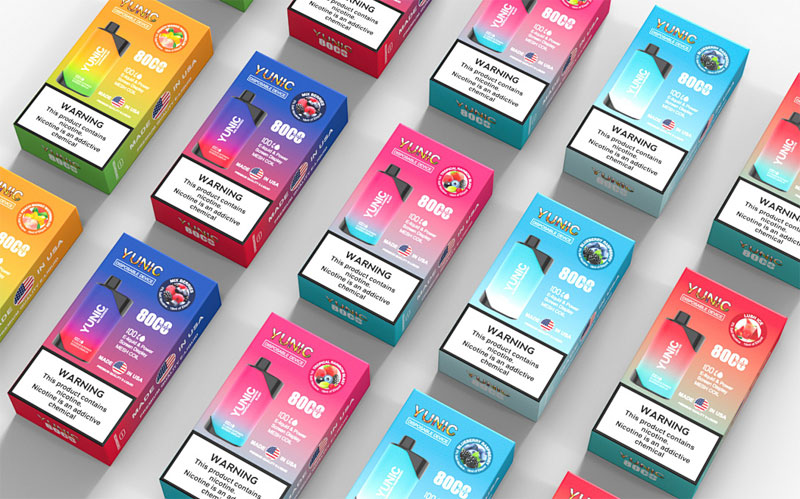
- Labeling Regulations: Products must feature explicit health warnings and adhere to the labeling guidelines established in the country. This includes listing ingredients and usage instructions in Spanish, ensuring consumers are well-informed.
- Taxation: E-cigarettes are subject to specific taxes which contribute to overall import costs. Understanding these can aid importers in pricing strategies effectively.
Market Dynamics and Consumer Behavior
The growing popularity of e-cigarettes among Dominican consumers has prompted more stringent import rules. Awareness campaigns have been launched to educate the public on potential health risks.
These dynamics have pushed importers to refine their strategies, ensuring products not only meet legal standards but also align with consumer expectations.
Compliance Challenges
Importers face a number of challenges, such as navigating regulatory changes, adapting to taxation updates, and aligning with international safety standards. Overcoming these hurdles often necessitates collaboration with local partners who can provide insights into the evolving legal framework and market trends.
Strategies for Successful Importation
- Stay Updated: Constantly monitor regulatory updates by subscribing to legal bulletins from the Directorate of Customs.
- Leverage Technology: Utilize digital tools to track shipments and ensure timely customs clearance, preventing potential delays.
- Engage with Experts: Regularly consult industry experts who can provide advice tailored to the intricacies of the Dominican market.
In conclusion, the complexities of the Dominican Republic e-cigarette import rules call for strategic planning and meticulous attention to detail. Importers must navigate through a web of legal, economic, and consumer-related factors to successfully operate in this vibrant market.
FAQs
Are there specific restrictions on flavors for imported e-cigarettes?
Yes, the Dominican Republic mandates that certain flavors, especially those deemed appealing to minors, may be restricted.
How can I ensure compliance with labeling requirements?
Consulting with local regulatory experts and using translation services for accurate labeling in Spanish can help ensure compliance.
What is the penalty for non-compliance with import regulations?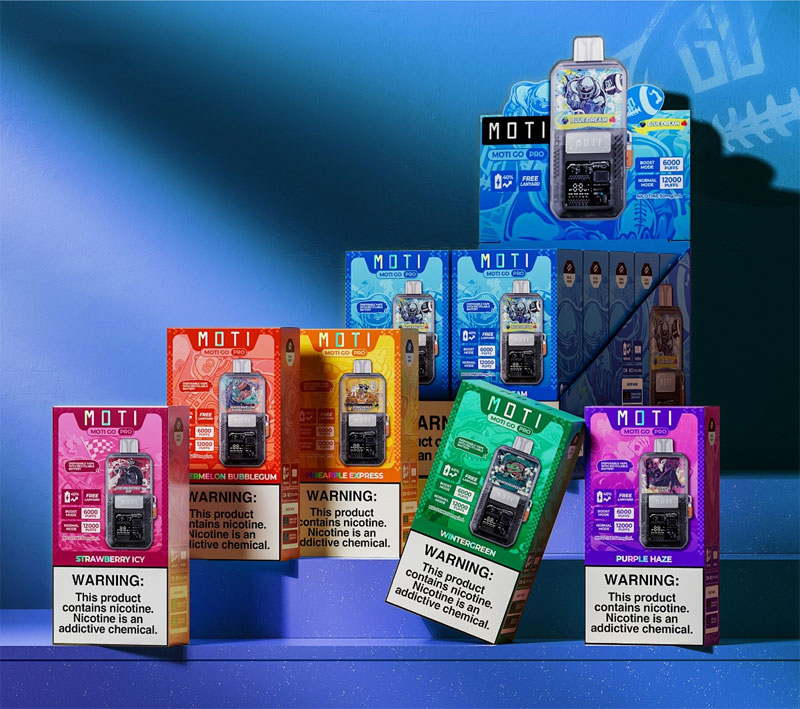
Penalties may include fines, product seizure, and revocation of import licenses, highlighting the importance of adhering to all regulations.