Singapore’s stance on e-cigarettes is clear and unambiguous. The use of electronic cigarettes, commonly known as e-cigarettes or vapes, is subject to strict regulations across the city-state. Understanding these regulations is crucial for any resident or tourist considering the use of e-cigarettes here.
Legal Framework Surrounding E-Cigarettes in Singapore
The laws governing e-cigarettes in Singapore are amongst the strictest worldwide. The import, distribution, sale, and offering for sale of e-cigarettes are prohibited under the Tobacco (Control of Advertisements and Sale) Act. This means that not only is smoking e-cigarettes illegal, but possessing them can also lead to legal action.
The rationale for such stringent regulation stems from Singapore’s commitment to maintaining public health and minimizing potential vaping-related health risks. By banning the various forms of tobacco alternatives, the country aims to prevent any uptake among its population.
Smoking E-Cigarettes in Public Areas
Currently, smoking e-cigarettes in public spaces is subject to similar regulations as traditional cigarettes. Public health policies restrict smoking in particular zones, aiming to ensure that non-smokers are not exposed to secondhand vapor.
Capturing the essence of its zero-tolerance attitude, Singapore does not permit vaping in public parks, near bus stops, or within any enclosed public space. This encourages a clean environment and aligns with the city’s dedication to public welfare.
Implications and Potential Penalties
Violating Singapore’s e-cigarette laws can result in severe financial penalties. First-time offenders might incur fines of up to a thousand Singaporean dollars. Threats of harsher penalties also apply to those repeatedly caught breaking these laws, which can encompass even jail time.

With such a robust financial deterrent, individuals are discouraged from engaging in e-cigarette usage and possession within the nation’s boundaries.
Concerns Over Health Effects
E-cigarettes have arrived as alternatives to traditional smoking. While marketed as safe alternatives, studies quickly emerged questioning their health implications. Singapore has positioned itself ahead of potential health crises by prohibiting them outright.
Public Education on Smoking Alternatives
The government has initiated campaigns aimed at educating the public about the adverse effects and health risks associated with smoking, including e-cigarettes. These initiatives encourage smokers to quit traditional smoking methods rather than transitioning to vaping.
Alternatives and Support for Quitting
While e-cigarettes are banned, alternatives exist to aid those wishing to quit smoking. Singapore offers smoking cessation programs and nicotine replacement therapies for those committed to overcoming their tobacco dependencies positively.
Future of E-Cigarette Regulations
Singapore’s commitment to public health is unwavering, and its regulations reflect a constant adaptation to new tobacco products. Authorities are expected to sustain their stringent approach to e-cigarettes as global health studies further delve into the related risks.
FAQs
Is it legal to own an e-cigarette in Singapore?
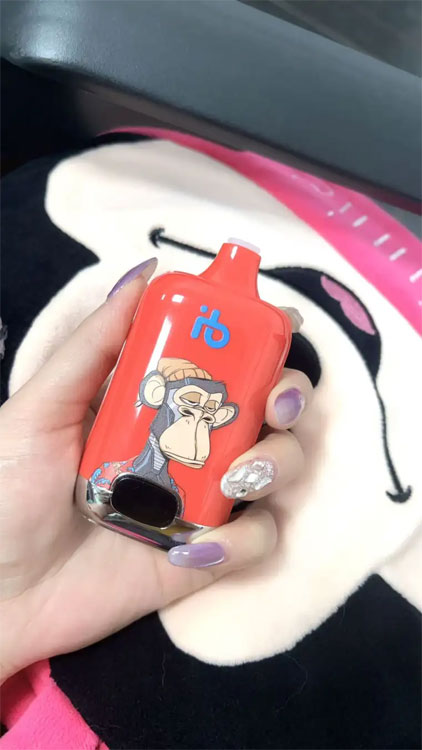
Ownership of e-cigarettes is illegal, and penalties can result from just possessing an e-cigarette.
What are the consequences for vaping or possessing e-cigarettes?
A significant fine and possible jail time can be imposed on those found guilty of vaping or possessing e-cigarettes.