As we venture into 2025, understanding the e-cigarette regulations in Indonesia becomes increasingly crucial for businesses and consumers alike. The dynamic landscape presents not only opportunities but also challenges as stakeholders aim to comply with evolving regulations. At the heart of this dynamic environment is the need for clarity and compliance with Indonesia’s legal framework governing e-cigarettes. This article offers insights into these regulations and what to expect in the coming years.
Overview of Indonesia’s E-Cigarette Regulations
Indonesia has seen significant changes in its e-cigarette regulations over recent years. The government has undertaken multiple initiatives to regulate the sale, use, and advertising of e-cigarettes. Such measures are primarily intended to protect public health, especially among young people who are increasingly attracted to vaping products. The focus is to strike a balance between economic growth and public health safety.
In 2025, one can expect stricter enforcement which will include comprehensive guidelines on the manufacturing standards of e-liquid products and devices. This will likely be accompanied by taxation policies aimed at reducing consumption while generating revenue for health initiatives.
Key Changes and Their Implications
The regulatory changes are multi-faceted. Firstly, there is a significant push towards enhanced quality standards for e-liquid ingredients. This requires manufacturers to adhere to standardized production protocols, which is designed to ensure consumer safety and product quality.
Regulations on advertising are becoming more stringent with the introduction of new rules aimed at restricting the promotion of e-cigarettes, especially towards youth. Branding and messaging will have to reflect the health impacts accurately and cannot trivialize the risks associated with nicotine consumption.
Retailers and distributors are also expected to comply with updated licensing requirements, ensuring that they operate within the law. Failure to do so could result in hefty fines or the revocation of business licenses.
The Role of Public Health Campaigns
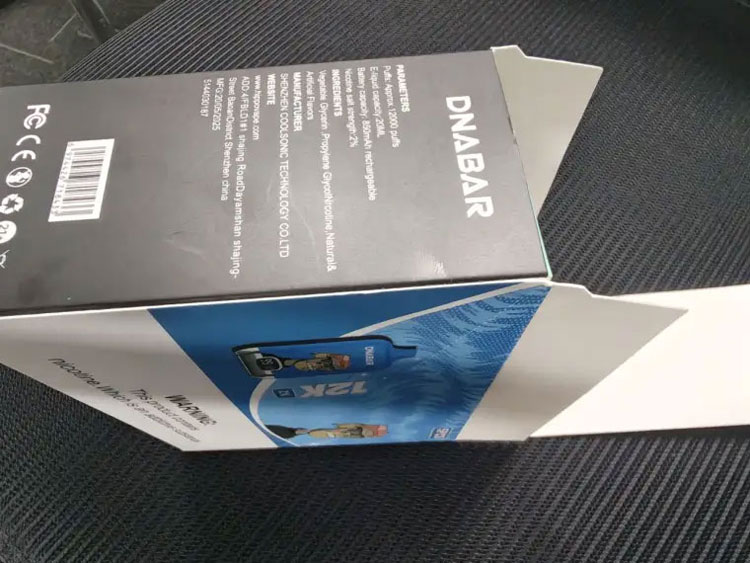
Public health campaigns are playing an integral role in educating consumers about the risks associated with e-cigarette use. These campaigns are crucial in shaping public perception and are supported by regulations that require clear labeling on packaging about the potential health risks.
- Pictorial warnings and educational inserts are now mandatory on all e-cigarette packaging.
- Awareness programs in schools and communities aim to curb the rising trend of e-cigarette use among minors.
These initiatives are reinforced by collaborations between government entities and non-governmental organizations focusing on tobacco and nicotine addiction prevention.
Challenges and Opportunities
While the tightening of e-cigarette regulations in Indonesia presents several challenges for the industry, it also opens up opportunities for innovation. Companies are encouraged to develop products that comply with these regulations while staying competitive in the market. This might include the creation of safer, non-addictive e-cigarette options or exploring alternative nicotine delivery systems.
Additionally, there is a growing demand for research into the long-term effects of e-cigarette use, providing opportunities for academic and research institutions to contribute valuable data that could influence future regulations.
Looking Ahead: Future Trends
The future of e-cigarette regulations in Indonesia certainly leans towards stricter controls. Stakeholders need to be proactive in adapting to these changes to maintain a foothold in the market. This involves staying informed about regulatory changes and actively participating in policy discussions.
Consumer awareness and advocacy groups are expected to play a larger role in shaping the conversation around e-cigarette use, ensuring that consumer rights are upheld while also protecting public health. This landscape presents a delicate dance between innovation, compliance, and advocacy.
FAQs
Q1: Will there be a ban on e-cigarettes in Indonesia in the future?
A: While there is no indication of a complete ban, regulations are expected to become stricter to enhance consumer safety and public health.
Q2: How will these regulations affect small e-cigarette businesses?
A: Small businesses will need to ensure compliance with new standards and may need to invest in quality assurance processes. However, this also provides an opportunity to differentiate by emphasizing safety and quality.
Q3: What are the penalties for non-compliance?
A: Penalties might include fines, suspension of operations, or revocation of licenses, depending on the nature and severity of the infraction.