Exploring the Impact of E-Cigarettes on Lung Health
E-cigarettes, or electronic cigarettes, have become increasingly popular as an alternative to traditional smoking. However, the question that continues to arise is: are e-cigarettes harmful to your lungs? Many individuals assume that e-cigarettes are a safer choice, but it’s essential to delve into how they may impact lung health.
Composition and Inhalation Concerns
Unlike traditional cigarettes, e-cigarettes do not contain tobacco. Instead, they use a liquid known as e-liquid or vape juice, which consists of propylene glycol, glycerin, nicotine, and flavorings. When this liquid is heated, it creates an aerosol that is inhaled into the lungs. Though e-cigarettes do not produce tar—a leading cause of lung damage—the impact of inhaling other chemicals is a subject of ongoing research.
Studies have indicated that propylene glycol and glycerin can produce potentially harmful substances when heated. These include formaldehyde and acetaldehyde, which are associated with respiratory issues. While the concentrations are typically lower than those found in traditional cigarettes, the long-term effects are not yet fully understood.
Effects on Lung Function
Research into how e-cigarettes impact lung function is still developing. However, some studies suggest that regular use of e-cigarettes may lead to inflammation and resultant respiratory problems. For example, scientific research indicates potential adverse effects on lung tissue and an increase in oxidative stress, which can harm cells.
Additionally, people with pre-existing lung conditions like asthma may experience exacerbations due to e-cigarette usage. This is largely attributed to flavors added to e-liquids, which can cause irritation in the respiratory system.
Comparisons to Traditional Cigarettes
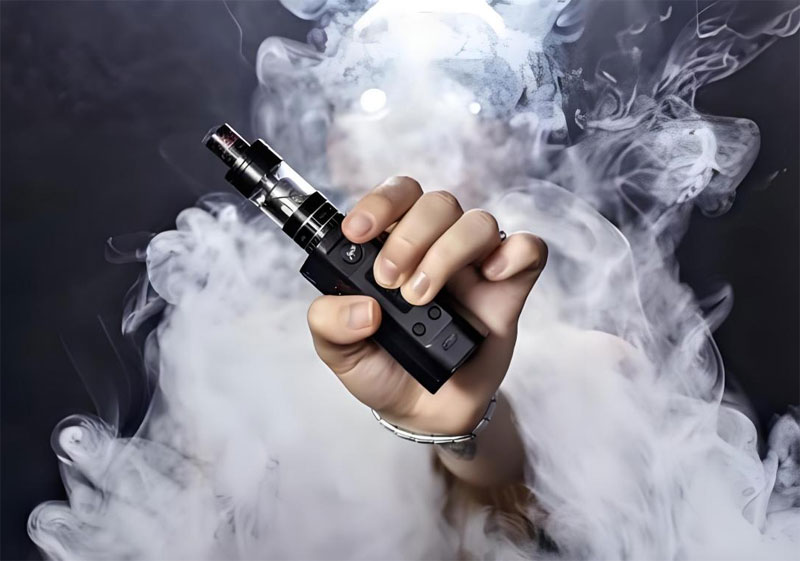
While some argue that e-cigarettes are a healthier alternative, particularly for those trying to quit traditional smoking, it’s essential to consider comparative risks. E-cigarettes might exhibit lower risks of cancer-causing agents, but they are not risk-free. The lack of long-term data means we cannot completely ascertain the benefits of switching.
Chemical Risks and Additives
The additives in e-liquids are an area of concern. They can undergo chemical reactions during the vaping process, leading to potential byproducts that are harmful when inhaled. Additionally, the flavorings, despite providing an enjoyable experience, are not extensively evaluated for safety when inhaled.
Further complicating the issue is the variance in e-liquid compositions due to a lack of stringent regulation. This results in inconsistencies in nicotine levels and the presence of undeclared ingredients, making it challenging for users to gauge risk accurately.
What Science Suggests
Current scientific arguments highlight a spectrum of potential risks correlated with prolonged e-cigarette use. The focus is not only on nicotine dependence but also on the unforeseen consequences that could arise due to chronic exposure to chemical constituents.
Conclusion
In conclusion, while e-cigarettes might present fewer immediate hazards compared to conventional smoking, their long-term effects on lung health are still uncertain. More comprehensive research and tighter regulations are needed to fully understand and mitigate these risks. Consumers should remain informed and cautious while using these devices.
FAQs
Can e-cigarettes help in quitting smoking? Many people use e-cigarettes as a cessation tool. However, their effectiveness is variable, and they can lead to dual usage or continued addiction.
Are there safer e-cigarette products available? No e-cigarette product is completely safe. Variability in e-liquid quality and device construction can affect safety profiles significantly.
What is being done to regulate e-cigarette use? Different countries have varying regulations. Stricter control over marketing and composition of e-liquids is becoming more commonplace to ensure consumer safety.