IBVape guide: understanding what’s inside modern e-cigarettes
In the world of nicotine alternatives, concise knowledge about what’s in e-cigarettes helps users make safer, more informed choices. This comprehensive guide explores the components, chemistry, and user-relevant concerns surrounding electronic nicotine delivery systems, with a focus on why IBVape customers should pay attention to ingredients, device design, and labeling. Whether you’re new to vaping or an experienced enthusiast, understanding composition and covert factors empowers healthier decisions and ensures better satisfaction from your IBVape experience.
Core components of e-cigarettes
At their simplest, most e-cigarettes—whether disposable, pod-based, or refillable—consist of four primary parts: a battery, a heating element (coil), a reservoir (pod, cartridge, or tank), and an e-liquid. Each element affects flavor, nicotine delivery, and potential risk. Knowing these parts helps IBVape users choose compatible accessories, optimize performance, and troubleshoot common issues.
Battery and power management
The battery supplies energy to the atomizer to vaporize the e-liquid. Batteries vary in capacity (mAh), output (watts/volts), and safety features such as overheat protection and short-circuit prevention. For IBVape consumers, pick devices with reliable battery management to reduce the risk of malfunctions. Higher wattage devices change flavor and throat hit by producing warmer vapor and increased aerosol volumes.
Atomizer and coil
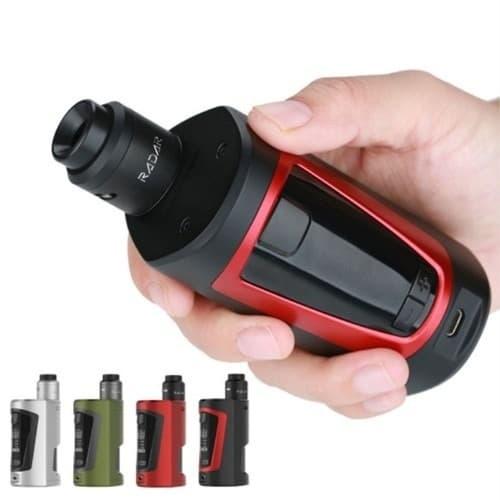
The atomizer contains the coil and wick. When electricity passes through the coil, it heats the wick saturated with e-liquid, producing an aerosol. Coil material (kanthal, nichrome, stainless steel, or nickel) and resistance (ohms) determine how fast and hot the coil heats. Lower-resistance coils (sub-ohm) produce more vapor but consume more e-liquid and battery power. IBVape users selecting coils should be mindful of recommended wattage ranges, coil lifespan, and safe handling practices to avoid dry hits and degraded flavor.
Reservoirs: pods, cartridges, and tanks
Reservoirs store e-liquid and can be replaceable pods, disposable cartridges, or refillable tanks. Pod systems offer convenience and discreetness, while refillable tanks maximize flavor control and cost efficiency. IBVape customers should understand whether a product uses prefilled pods (single-use) or refillable options to evaluate long-term cost, environmental impact, and customization potential.
What’s in e-liquids: base ingredients and additives
Understanding e-liquid composition is essential since the aerosol produced contains the vaporized constituents. Most e-liquids are blends of a few core ingredients plus flavorings and optional nicotine. The proportions and quality of these components significantly influence throat hit, vapor production, and taste.
Vegetable glycerin (VG) and propylene glycol (PG)
VG and PG form the bulk of most e-liquids. Vegetable glycerin (VG) is a thicker, sweeter liquid that generates dense vapor clouds and a smoother throat sensation. Propylene glycol (PG) is thinner, carries flavor more effectively, and produces a stronger throat hit similar to combustible cigarettes. Common VG/PG ratios (e.g., 70/30, 50/50) determine the sensory profile. IBVape users should review VG/PG ratios printed on packaging to match their preferred inhale style and device compatibility.
Nicotine
Nicotine in e-liquids is available in several forms and concentrations. Freebase nicotine delivers a harsher throat hit at higher strengths but remains widely used. Nicotine salts (nic salts) are formulated to reduce harshness and enable higher nicotine concentrations with a smoother inhale—useful for low-power pod systems. IBVape customers should examine nicotine strength and type to align with their nicotine goals, whether tapering down or maintaining satisfaction. Additionally, accurate labeling and milligram-per-milliliter (mg/mL) values help users calculate daily intake and manage dependence responsibly.
Flavorings and additives
Flavorings are food-grade compounds responsible for the wide array of vaping flavors, from tobacco and menthol to fruit, dessert, and beverage profiles. While most flavorings are approved for ingestion, inhalation introduces different exposure pathways with uncertain long-term effects. Some e-liquids may include additives such as cooling agents (e.g., WS-3, menthol), sweeteners, or emulsifiers to improve cloud stability. IBVape customers should prefer reputable brands that disclose flavoring components and avoid products with unverified or proprietary additives when possible.
Other chemical constituents found in aerosols
When an e-liquid is heated, it can produce additional substances not originally present in the liquid itself. Thermal decomposition and interaction with coil materials may form compounds of concern.
Carbonyls (formaldehyde, acetaldehyde, acrolein)
Heating e-liquids at high temperatures can generate carbonyl compounds such as formaldehyde, acetaldehyde, and acrolein. These substances are known respiratory irritants and some are classified as probable human carcinogens. Risk increases with device misuse (dry puffs, excessively high wattage, or neglected coil changes). IBVape users can minimize exposure by staying within recommended wattage, using well-wicked coils, and maintaining devices properly.
Metals and particles
Metallic particles (nickel, chromium, lead) can leach from coils and other metallic components over time, especially if coils are corroded or made of lower-quality alloys. Aerosol particle size influences respiratory deposition; ultrafine particles can penetrate deep into the lungs. Choosing quality IBVape hardware with robust construction and following replacement schedules reduces metal exposure risks.
Volatile organic compounds and other contaminants
Trace amounts of volatile organic compounds (VOCs), diacetyl (linked to bronchiolitis obliterans in occupational settings), and other contaminants have been detected in some e-liquids. While many manufacturers have eliminated diacetyl and other hazardous additives, not all products are created equal. IBVape customers should prioritize verified lab-tested e-liquids and avoid unregulated or illicit sources.
Labeling, testing, and regulatory considerations
Label accuracy and third-party lab testing are key indicators of product transparency. Labels should disclose VG/PG ratios, nicotine strength and form, ingredient lists, batch numbers, manufacturer information, and safety warnings. IBVape brands that provide Certificates of Analysis (COAs) from independent labs improve consumer confidence by verifying nicotine levels, absence of contaminants, and flavoring constituents.
Why lab reports matter
Independent lab reports screen for harmful impurities and confirm ingredient claims. They can reveal discrepancies between advertised and actual nicotine concentrations, the presence of heavy metals, or unwanted additives. As an IBVape user, look for up-to-date COAs on the vendor’s site or ask customer service for documentation before purchasing unfamiliar products.
Regulatory landscapes
Local and national regulations differ widely. Many jurisdictions set limits on nicotine concentration, ban certain flavor categories, or require child-resistant packaging. IBVape users should stay informed about local laws to ensure compliance and to understand protections and restrictions that affect product availability.
User-focused risks and harm-reduction strategies
While many adult smokers use e-cigarettes as a smoking alternative, vaping is not risk-free. The degree of risk depends on product quality, usage patterns, and individual health factors. Below are practical tips to reduce potential harms while preserving device satisfaction.
Choose reputable IBVape products
Select well-known IBVape lines that publish lab results and adhere to clear manufacturing standards. Reputable brands invest in quality control, safer ingredient sourcing, and accurate labeling—factors that directly improve user safety.
Match e-liquid to device
Devices are optimized for specific VG/PG ratios and nicotine types. High-VG liquids pair best with sub-ohm tanks for cloud production, while high-PG or nic-salt formulas suit low-wattage pod systems. Using mismatched liquid can cause poor wicking, burnt tastes, or increased chemical byproducts. IBVape users should follow device specifications on recommended liquid characteristics.
Maintain and replace components regularly
Change coils and wicks on schedule, clean tanks periodically, and avoid chain-vaping on devices that overheat. Regular maintenance preserves flavor fidelity and reduces degradation products that arise from burnt or old wicking material.
Control power and avoid dry puffs
Operate within the coil’s recommended wattage range. “Dry puffs” (when the coil is insufficiently saturated) produce harsh, unpleasant aerosols with higher levels of thermal decomposition products. If you taste burnt flavor or reduced vapor, stop, refill, and allow the wick to re-saturate before continuing.
Store e-liquids safely
Keep liquids away from heat, light, and children. Proper storage preserves flavor stability and prevents nicotine degradation. Child-resistant caps and secure storage minimize accidental ingestion risks.
Choosing nicotine strength responsibly
Nicotine management is important for user satisfaction and safety. Beginners often choose strengths based on previous smoking intensity, but nicotine delivery varies by device type. For example, pod systems with nic salts deliver nicotine more efficiently than low-nic freebase liquids in high-powered mods. IBVape customers should start conservatively and adjust strength according to craving suppression and comfort.
Transition strategies
Smokers switching to vaping might begin with a nicotine level that approximates their cigarette consumption and gradually reduce concentration over time. Track daily e-liquid consumption and nicotine strength to estimate total intake and plan stepwise reductions if desired.
Environmental and disposal considerations
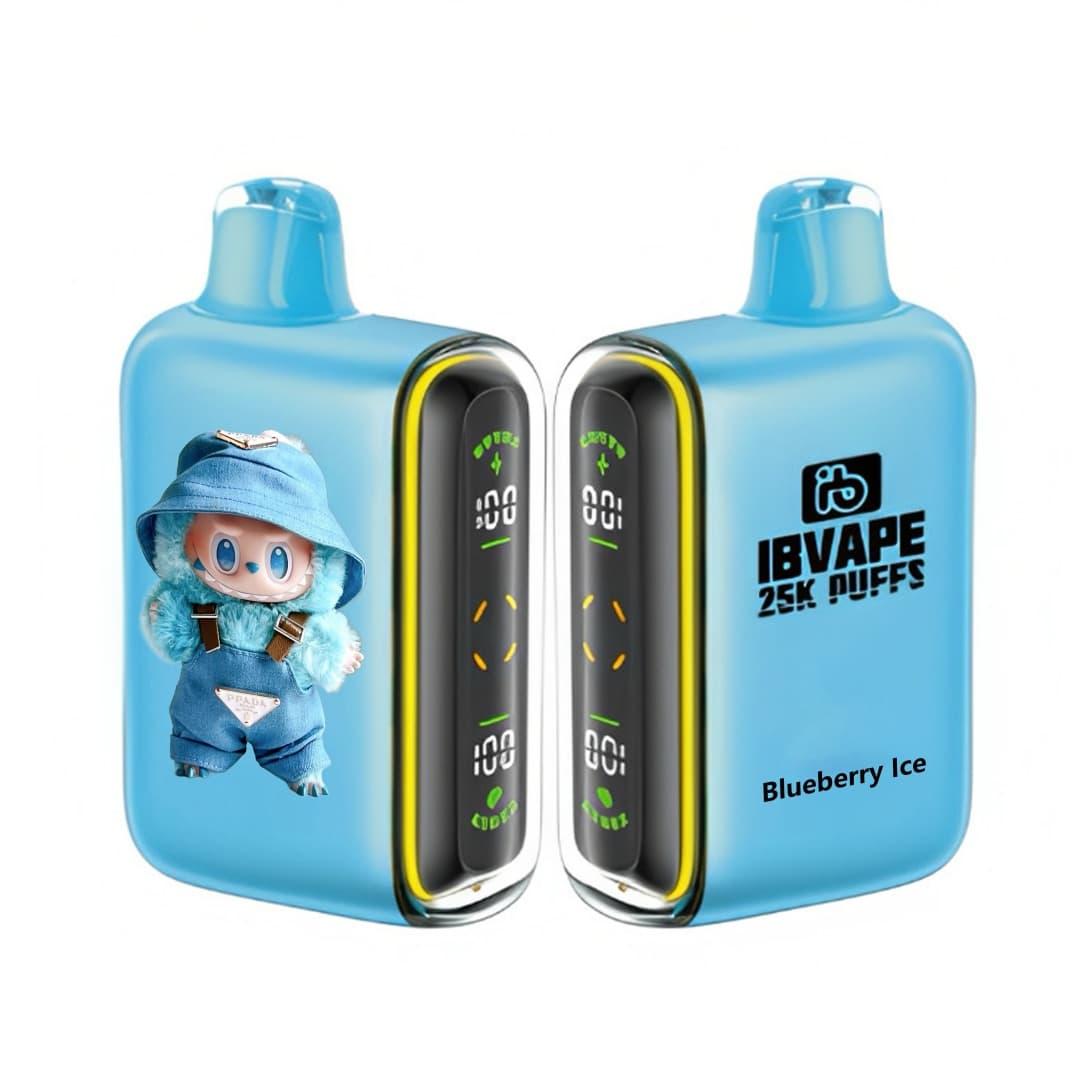
Single-use disposables and cartridges create electronic waste and chemical waste concerns. Batteries, plastic components, and residual e-liquid require proper recycling or disposal. IBVape users who care about sustainability can opt for refillable systems and recycle batteries at designated collection points to reduce landfill impact.
Signals of low-quality or risky products
- Unknown manufacturers without contact information or lab reports;
- Inconsistent or missing ingredient lists and nicotine concentrations;
- Unusual odors, off-flavors, or frequent burnt tastes;
- Packaging that lacks child-resistant features or safety labeling;
- Extremely cheap devices or liquids with no verifiable sourcing.
When in doubt, avoid devices and liquids that don’t provide transparency—it’s an area where small savings are rarely worth the potential health and safety tradeoffs.
Practical tips for IBVape users
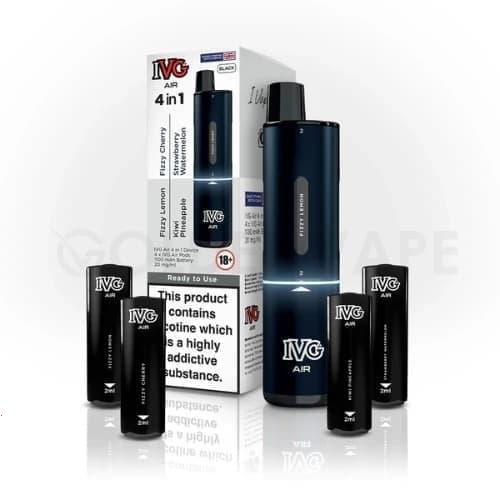
- Always check VG/PG ratio and nicotine type on the label before purchasing.
- Use official or reputable replacement coils and follow recommended wattage ranges.
- Request Certificates of Analysis for premium or unfamiliar e-liquids.
- Store e-liquids and devices out of children’s and pets’ reach.
- Consider refillable systems to reduce long-term cost and environmental impact.
Recognizing device performance issues
Reduced vapor production, spit-back, leaking, or metallic tastes often indicate coil wear, poor wicking, or incompatible liquid. Address these problems promptly: replace the coil, check seals, and confirm liquid compatibility. Routine checks extend device life and preserve flavor quality for IBVape customers.
Comparing e-cigarette ingredient risks with combustible cigarettes
Many adult smokers switch to vaping because e-cigarettes generally contain fewer of the combustion-related toxicants found in cigarette smoke (tar, carbon monoxide, many combustion byproducts). However, vaping introduces its own set of inhalation exposures. Harm reduction is achievable when adult smokers completely switch to well-regulated vaping products, but the spectrum of risk differs from that of smoking and is shaped by product choice and use behavior.
How to evaluate IBVape product claims
Marketing copy often emphasizes safety, natural ingredients, or pharmaceutical-grade components. Look for independent verification: laboratory COAs, third-party reviews, and clear manufacturing disclosures. Verified claims about nicotine content or absence of contaminants carry more weight than promotional language alone.
Red flags in marketing
Beware of claims such as “completely safe,” “FDA-approved” (unless specifically validated for the particular product), or unverifiable “proprietary blends.” Transparent brands describe ingredient classes, nicotine form, VG/PG ratios, and provide batch testing information.
Scientific unknowns and ongoing research
Long-term effects of inhaling flavoring compounds and chronic exposure to low levels of byproducts remain areas of active study. Emerging evidence informs regulatory changes and product reformulations. As this evidence base evolves, IBVape brands and consumers should adapt by favoring products with clearer safety data and remaining alert to recalls or advisories.
Summary: why IBVape users should care about what’s in e-cigarettes
Knowing what’s inside e-cigarettes directly impacts user safety, satisfaction, and long-term outcomes. Ingredient transparency, device quality, and proper use reduce avoidable exposures. For IBVape users, informed selection—choosing tested e-liquids, appropriate hardware, and sound maintenance habits—translates into a more consistent experience and lower risk of harmful byproduct exposure.
Key takeaways
- Check VG/PG ratios and nicotine types to match device function and personal preferences.
- Prefer products with third-party testing and clear labeling.
- Avoid device misuse—operate within recommended wattages and maintain coils.
- Opt for refillable, responsibly manufactured systems when sustainability matters.
By understanding composition and safe practices, IBVape users can better navigate product choice, reduce unnecessary risks, and enjoy a more reliable vaping experience.
Additional resources and best-practice checklist
Before using a new IBVape product, consult the vendor’s COAs, follow device manufacturer wattage guidance, inspect packaging for batch identifiers, and start with conservative nicotine strengths. Keep a consumption log if you plan to taper nicotine, and recycle batteries and used cartridges responsibly.
Frequently asked questions
A1: Look for VG/PG ratio, nicotine type and concentration, manufacturer info, batch number, and safety warnings; prefer brands that publish third-party lab results.
Q2: Are nic salts safer than freebase nicotine?
A2: Neither is inherently “safer” — nic salts allow smoother inhalation at higher nicotine concentrations and may better satisfy cravings for some users, but nicotine itself is addictive. Choose based on device type and your nicotine goals.
Q3: How often should I change coils?
A3: Coil lifespan varies with use and e-liquid composition—typically 1–4 weeks; replace when flavor degrades, vapor drops, or you taste burning.
Q4: Can I reduce risk by switching to IBVape-branded products?
A4: Switching to reputable, tested IBVape products that publish COAs reduces uncertainty and helps lower exposure to contaminants, but does not eliminate all risks associated with inhaling aerosolized compounds.