The Complex Dynamics of Electronic Cigarette Fluid
The advent of electronic cigarette fluid has revolutionized the vaping industry, offering both enthusiasts and new users a diverse range of flavors and nicotine levels. Understanding its components and impacts is crucial for making informed decisions about its usage. At its core, electronic cigarette fluid is composed of three primary ingredients: propylene glycol (PG), vegetable glycerin (VG), and nicotine. These ingredients work synergistically to create the vapor inhaled by users, but each holds unique properties that contribute to its overall efficacy and safety.
Understanding the Components
Electronic cigarette fluid contains PG, known for its throat-hit sensation, and VG, praised for producing dense vapor clouds. The ratio of PG to VG can significantly affect the user’s experience. For instance, a higher PG ratio offers a sharper throat hit and more flavor but less vapor, ideal for those transitioning from traditional cigarettes. Conversely, a higher VG ratio results in a smoother inhalation with thick clouds, preferred by those using advanced vaping devices.
Flavors and Customization
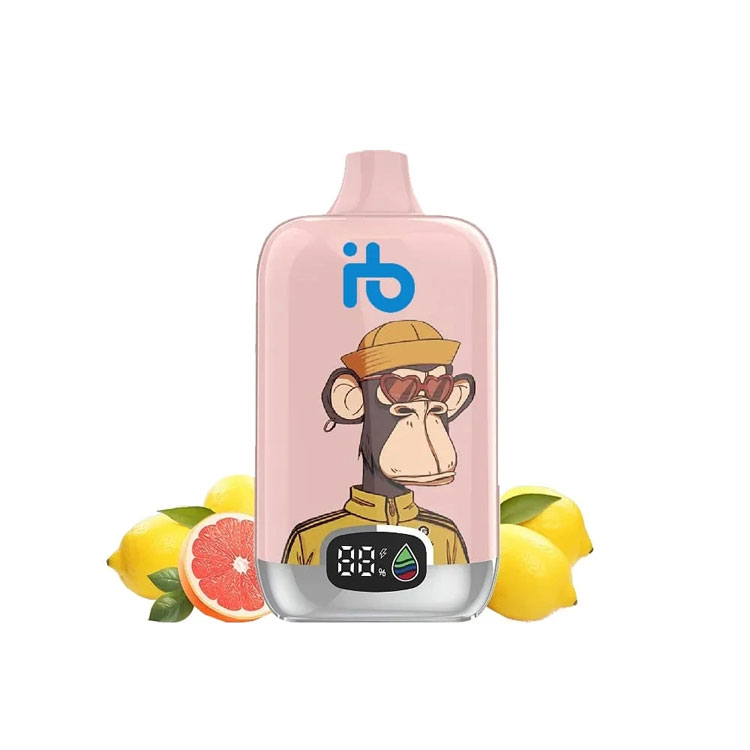
One of the appealing aspects of electronic cigarette fluid is its range of flavors—from sweet fruity blends to rich tobacco notes—ensuring that users never face monotony. This variety promotes personalization, allowing users to craft their vaping experience to align with their preferences. Flavoring agents, often food-grade additives, are meticulously selected to enhance the vaping experience while ensuring consumer safety.
Health and Safety Concerns
Despite the benefits, it’s important to consider the potential risks associated with electronic cigarette fluid. While experts suggest that vaping may be less harmful than smoking traditional cigarettes, risks still remain, especially concerning nicotine addiction and respiratory health. Nicotine, a key component, is addictive and raises concerns about creating or worsening tobacco dependency. Moreover, recent studies indicate that prolonged exposure to vaporized e-liquids could potentially impact lung health due to the inhalation of chemicals.
Addiction and Regulations
The addictive nature of nicotine cannot be overlooked. For individuals seeking to quit smoking, e-cigarettes might offer a transitional alternative, but dependency remains a real risk. Regulatory bodies worldwide are increasingly scrutinizing electronic cigarette fluids, implementing stringent measures to ensure product safety and the responsible marketing of these products.