In recent years, the global surge in e-cigarette use has prompted governments worldwide to reconsider their regulatory frameworks. Vietnam is no exception, as it moves towards implementing a comprehensive e-cigarette ban by 2025. This ban aims to address a variety of public health concerns associated with vaping, particularly among young people. As we delve into the implications of the Vietnam e-cigarette ban 2025, we will explore its potential impacts on public health, the vaping industry, and consumer behavior.
Understanding the Rationale Behind the Ban
The primary reason behind the Vietnam e-cigarette ban is to curb the rising trend of vaping among teenagers and young adults. Studies have shown that e-cigarettes can act as a gateway to traditional tobacco smoking, increasing the likelihood of addiction at an early age. With a significant portion of Vietnam’s population being young, the government is eager to prevent nicotine addiction from taking root in future generations.
The Health Implications
E-cigarettes are often marketed as a safer alternative to traditional cigarettes. However, research indicates that vaping can still pose serious health risks. The presence of nicotine and other harmful chemicals in vape liquids can lead to respiratory issues, cardiovascular problems, and potential long-term harm to brain development in young users. By implementing the e-cigarette ban by 2025, Vietnam aims to eliminate these health risks and promote a tobacco-free generation.

The Economic Impact
The vape industry in Vietnam, although not as large as in some Western countries, has been developing rapidly. With the upcoming ban, local businesses and international companies will need to adapt to new regulations. Retailers and manufacturers may face financial challenges, yet the government’s focus remains on public well-being over economic growth from potentially harmful products.
Changing Consumer Behavior
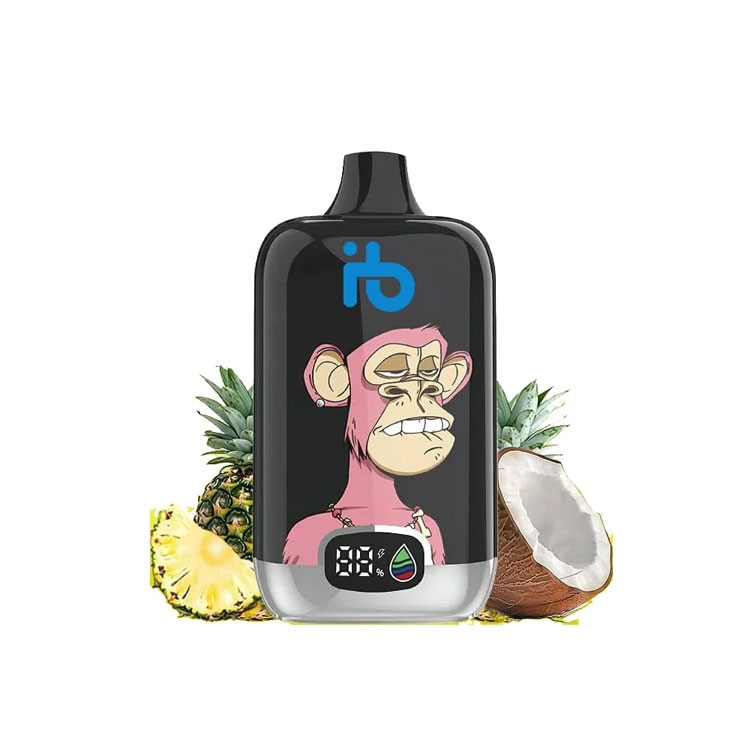
The ban is expected to shift consumer behavior significantly. Those currently using e-cigarettes may return to traditional smoking or abandon nicotine products altogether, creating an opportunity for support services and smoking cessation programs. It’s crucial for Vietnam to prepare these services to aid in the transition and to mitigate any negative impacts on those addicted to nicotine.
The Path to 2025
The road to enforcing the Vietnam e-cigarette ban by 2025 will be meticulous. Policymakers will navigate the complexities of legislation, ensuring that the ban’s scope is comprehensive and enforceable. Public awareness campaigns will play a vital role in educating the population about the risks associated with vaping and the reasons behind the prohibition.
International Reactions
As Vietnam moves towards its 2025 target, international bodies and neighboring countries are watching closely. The ban could set a precedent for other Southeast Asian nations grappling with similar challenges. Observers are keen to see if Vietnam’s bold steps will inspire further global actions against vaping, potentially reshaping international tobacco control policies.
FAQs: Your Questions Answered
1. Will the ban affect all vapor products?
Yes, the ban is expected to cover all forms of vapor products, including e-cigarettes, vape pens, and related accessories, to ensure comprehensive tobacco control.
2. What support is available for those looking to quit?
In anticipation of increased demand, the government is likely to expand access to support programs, including counseling and nicotine replacement therapies, to assist individuals in quitting nicotine use.
3. How will the ban be enforced?
Vietnam is expected to establish strict regulations and penalties for non-compliance, alongside a robust monitoring system to ensure adherence and prevent illicit market growth.