Understanding Nicotine Replacement Therapy and Vape Alternatives
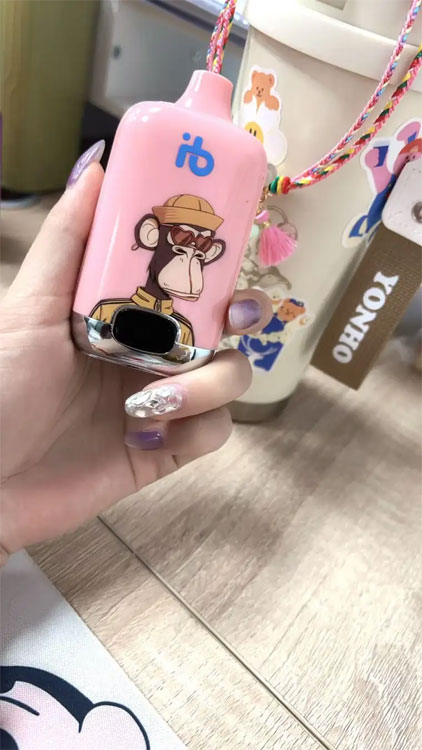
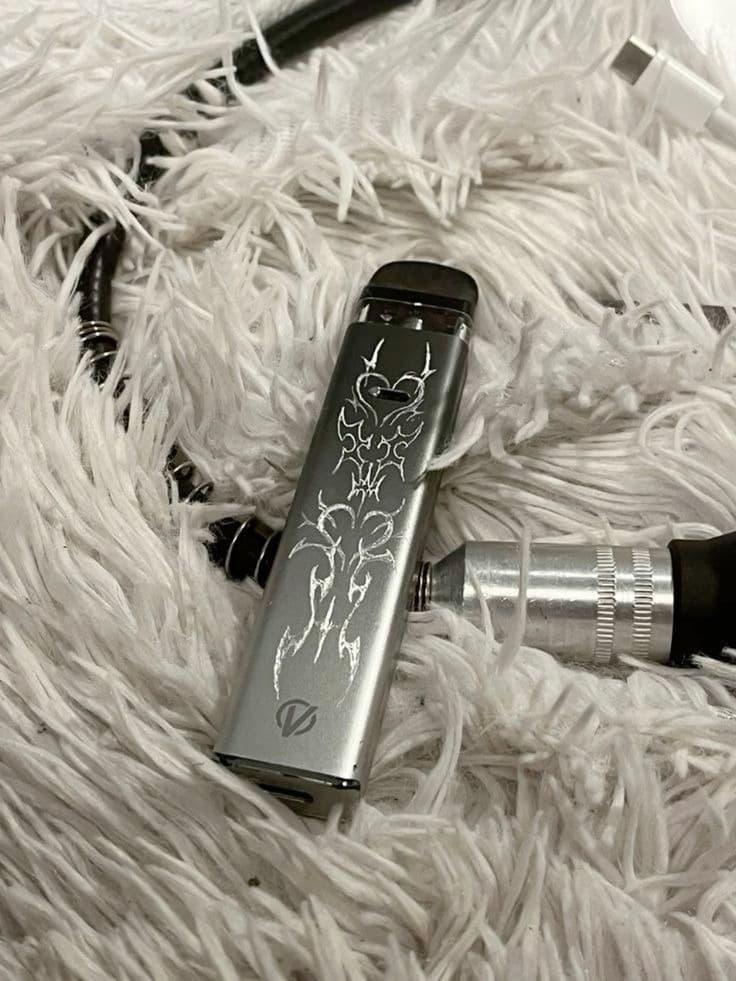 The nicotine patch belongs to the category of nicotine replacement therapy (NRT), aiming to deliver a steady, controlled dose of nicotine to the body without the harmful chemicals found in cigarette smoke. Patches are worn on the skin, usually changed daily, and are intended to gradually reduce cravings and withdrawal symptoms. On the other hand, e-cigarettes (also known as vapes) provide an inhalable vapor containing nicotine, mimicking the act of smoking but without the combustion.
How Do Nicotine Patches Work?
NRT patches come in varying strengths. They release nicotine transdermally, which is absorbed through the skin into the bloodstream. This method allows for continuous release, typically over 16-24 hours. By keeping nicotine levels relatively stable, patches help minimize the urge to smoke and reduce the discomfort of withdrawal.
- Discreet and easy to use
- No need for frequent dosing; only replaced once a day
- Clinically studied with a long history of use
- Lower risk profile compared to inhalable forms

How Do E-Cigarettes Help Smokers Quit?
E-cigarettes simulate smoking by delivering vaporized nicotine. Users can choose the nicotine strength, flavor, and device type. Because vaping replicates the sensory aspects of smoking—hand-to-mouth action, inhalation, and even the visual ‘smoke’—it can satisfy both nicotine cravings and behavioral habits associated with smoking.
- Multiple flavors and strengths for personalized experience
- Immediate delivery of nicotine for rapid craving relief
- Social experience similar to traditional smoking
- Portable and discreet design options
Effectiveness for Quitting Smoking: Research Insights
There is ongoing debate about which method is more effective for smoking cessation. The nicotine patch has decades of evidence backing its efficacy; clinical trials suggest that it can boost quit rates by 50-70% over placebo. However, it may not address psychological or behavioral triggers as robustly as vaping. Recent studies indicate that smokers using e cigarettes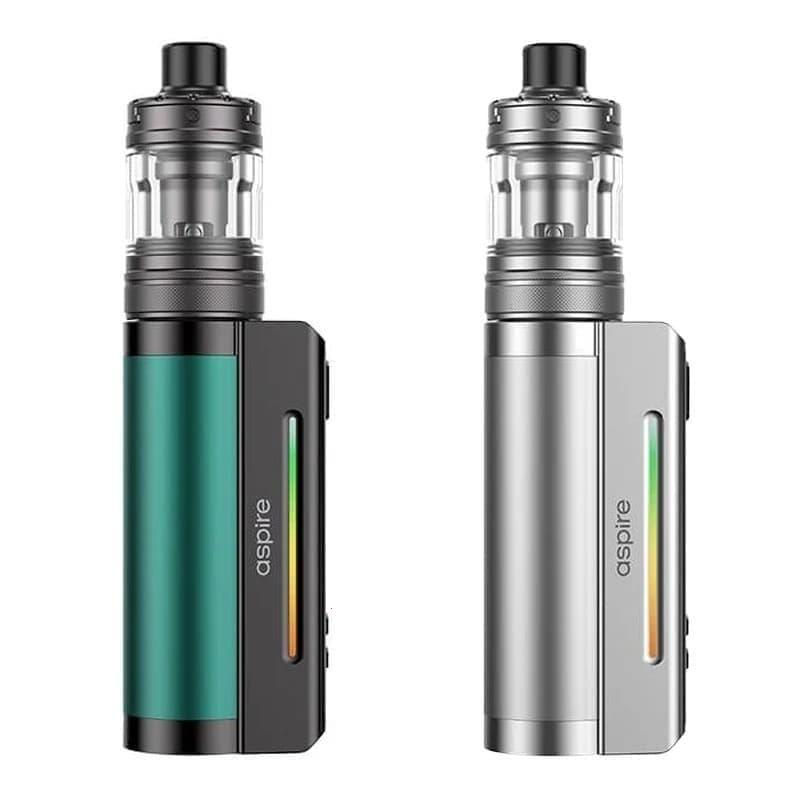 are somewhat more likely to quit than those using patches alone, primarily because vapes address both addiction and smoking rituals.
Still, e-cigarettes are relatively new, and long-term safety data is limited. Unlike the patch, which is FDA-approved and regulated, e-cigarettes vary widely in ingredients, device quality, and nicotine delivery.
The nicotine patch is considered a safe, low-risk alternative for most adults, with mild skin irritation as the most common side effect. It avoids dangers linked to inhalation, lung irritation, and secondary chemical exposure. By comparison, e-cigarettes expose users to inhalable substances; though generally less harmful than combustible cigarettes, they may still entail risks such as respiratory irritation, potential addiction to nicotine, and chemical additives whose long-term effects are not fully understood.
In particular, recent incidents of vaping-related lung injury have underscored the importance of using reputable products and avoiding unregulated substances. Patches, being pharmaceutical-grade products, are less variable.
Behavioral Aspects: Ritual Meets Replacement
Many struggle with quitting because smoking is intertwined with daily routines, social interactions, and emotional coping. The nicotine patch provides the physiological component of quitting by staving off withdrawal, but it doesn’t offer an outlet for habitual behaviors, such as the tactile sensation or oral fixation of smoking. For some, this makes patches less satisfying, leading to slip-ups due to behavioral triggers.
E-cigarettes, in contrast, allow users to maintain aspects of their smoking ritual, substituting the act of smoking with vaping. This can assist with the habit but also risks sustaining nicotine addiction or prolonging dependence.
Cost, Convenience, and Accessibility
Patches are widely available in pharmacies, over-the-counter, and by prescription. Costs vary, but a standard box may last several weeks and prices have steadily declined. No device maintenance is needed.
Vaping requires initial investment in a device, regular purchase of e-liquids, and upkeep—though some users find this manageable or preferable. Availability depends on regional regulation, and flavor options may be limited due to legal restrictions in some areas.
Personalization and Tapering Nicotine
The patch comes in standardized dosages, making it easier to taper down—start with a higher dose and decrease gradually over several weeks. This regimented approach is ideal for those who want a set schedule.
E-cigarettes offer more flexibility, as users control dosage and can decrease the strength or usage as preferred. However, some individuals may inadvertently maintain or increase their nicotine intake due to product variety or habit persistence.
Potential for Dual Use and Relapse
It’s not uncommon for users to combine methods—using a patch but also vaping or smoking occasionally. This ‘dual use’ risks perpetuating nicotine addiction, especially with e-cigarettes’ accessibility and appeal. Experts generally recommend choosing one method and adhering to a planned cessation timeline, possibly with behavioral support.
Which Is the Better Choice?
Your choice between nicotine patch vs e cigarettes should reflect personal preferences, medical history, and smoking triggers.
- If you seek simplicity, safety, and are not strongly tied to smoking rituals:
- The patch may be ideal, offering a structured approach with fewer risks.
- If behavioral habits and routine play a major role in your addiction:
- E-cigarettes might help satisfy the psychological component of quitting—though with some caveats regarding long-term use.
For both products, success rates improve dramatically if combined with behavioral therapy, support groups, or counseling.
Conclusion: Tailoring Your Quit Plan
Ultimately, the journey to becoming smoke-free is deeply personal. Consider your lifestyle, previous quit attempts, underlying medical conditions, and consult a healthcare professional to make an informed decision.
While nicotine patch vs e cigarettes both offer promising pathways, their effectiveness can be enhanced with proven interventions like counseling, motivation, and social support. Remember, quitting is a process, and the right method is the one that fits your unique circumstances.
FAQ
- Q: Are nicotine patches safer than e-cigarettes?
- A: Generally, yes. Nicotine patches deliver nicotine without inhaling chemicals or risking lung irritation. However, both are less harmful than traditional cigarettes.
- Q: Which is more effective for long-term quitting?
- A: Research suggests e-cigarettes may have a slight edge in helping people quit if behavioral habits are strong. Patches may suit those needing a more structured pharmacological approach.
- Q: Can you use both methods together?
- A: Dual use is possible but may complicate quitting. It is best to choose one method and seek support or adjust strategies with professional advice.