Exploring What Is Harmful in E-Cigarettes: Key Risks and Essential Facts for All Users
As e-cigarette usage continues to rise worldwide, more questions emerge about the potential health threats these products could pose. But what is harmful in e cigarettes exactly? This comprehensive guide breaks down the essential risks, hidden dangers, and scientific findings surrounding the substances within e-cigarettes to empower users with vital information.
Understanding the Composition of E-Cigarettes
E-cigarettes, often regarded as a safer alternative to traditional smoking, present their own set of dangers. At their core, e-cigarettes work by heating a liquid, known as e-liquid or vape juice, which usually contains nicotine, flavorings, and various other chemicals. But a closer inspection raises concerns: what is harmful in e cigarettes lies primarily in these ingredients and their interactions under heat.
- Nicotine: Although it is the primary addictive substance in traditional cigarettes and e-cigarettes alike, nicotine bears severe consequences: increased blood pressure, elevated heart rate, and constricted blood vessels. It can also have adverse effects on adolescent brain development and pregnant women.
- Flavoring Chemicals: Many e-cigarettes contain flavorings such as diacetyl, which has been linked to a serious lung disease known as “popcorn lung”. Even flavoring agents considered food-safe can become toxic when vaporized and inhaled.
- Solvents: Common solvents like propylene glycol and vegetable glycerin are used to create the visible “vape” cloud, but are these completely safe? When heated, these substances may break down into potentially harmful chemicals like formaldehyde and acetaldehyde.
The Hidden Risk: Toxic Byproducts & Contaminants
E-liquids are exposed to high temperatures inside the device, resulting in chemical changes. This process can create toxic byproducts, such as:
- Formaldehyde: A known carcinogen found in some e-cigarette aerosols, especially at high temperatures.
- Metals: Studies have detected heavy metals like lead, nickel, and chromium in e-cigarette vapor. These likely originate from the metallic coil components inside e-cigarettes and can pose long-term health risks.
- Ultrafine Particles: Inhalation of ultrafine particles from e-cigarette vapor may penetrate deeply into the lungs, increasing respiratory and cardiovascular risks.
Health Impacts Linked to E-Cigarette Usage
Concerns about what is harmful in e cigarettes are well-founded, given mounting evidence of their consequences:
– Lung Damage: While e-cigarettes don’t produce tar as combustion cigarettes do, they might deliver toxic chemicals that cause airway irritation and long-term lung function deterioration.
– Cardiac Risks: Nicotine elevates heart rate and blood pressure, increasing the risk of developing heart disease.
– Adolescent Brain Development: Exposure to nicotine during adolescence can affect memory, attention, and learning, with possible permanent consequences.
– Addiction and Behavioral Impacts: Both adults and youth risk addiction, and gateway effects toward other tobacco products are observed especially among teens.
What Is Harmful in E Cigarettes: Unveiling the Misconceptions

Some people argue that vaping is less harmful than smoking conventional cigarettes. While this may be true for certain aspects, it’s crucial not to overlook the harms unique to e-cigarettes. For instance, the lack of standardization in e-liquid composition leads to widely varying toxic exposures, and many products are poorly regulated. What is harmful in e cigarettes can differ greatly depending on brand, device, and user behavior.

Specific Ingredients and Their Risks
- Nicotine Salts: Found in many modern vape products, these allow much higher concentrations of nicotine, contributing to faster addiction and stronger biological effects.
- THC and Vitamin E Acetate: Some illicit cartridges contain THC oils and have been implicated in outbreaks of severe lung injuries. The addition of vitamin E acetate as a thickening agent is especially linked to these health incidents in the US.
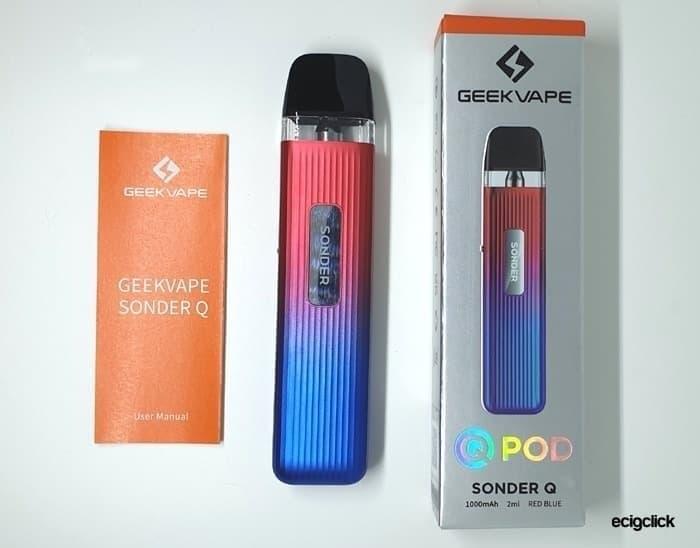

Potential Environmental Harms
It’s not just human health at risk. Discarded e-cigarette pods and batteries contain plastic, heavy metals, and other hazardous substances, which contribute to environmental pollution and represent a growing waste dilemma.
Signs and Symptoms of E-Cigarette Harm
If you use e-cigarettes or know someone who does, watch for potential side effects such as increased coughing, shortness of breath, chest discomfort, mouth and throat irritation, or headaches. Should these arise, it’s advisable to consult healthcare professionals promptly.
Should You Be Concerned About E-Cigarette Ingredients?
While ongoing research continues to clarify the full spectrum of risks, current knowledge already answers what is harmful in e cigarettes: a host of chemicals—both listed and hidden—can impact users’ well-being. Regulatory gaps mean that product labeling does not always accurately reflect what’s inside. Consider this before choosing to vape, especially if you are pregnant, young, or have underlying health concerns.
Additional Preventive Measures and Safer Choices
For those seeking to quit smoking, evidence-based cessation tools and counseling remain the safest paths. Reducing or ceasing e-cigarette usage and staying informed about regulatory changes can help mitigate associated risks.
FAQs on What Is Harmful in E Cigarettes
- Q1: Is vaping safer than smoking?
- While e-cigarettes avoid many of the toxins found in combusted tobacco, they expose users to other harmful chemicals and are not without health risks.
- Q2: Are e-cigarette vapors less dangerous for bystanders?
- Secondhand vapor still contains nicotine, ultrafine particles, and other toxins. The long-term impact on bystanders remains unclear but may not be fully harmless.
- Q3: What’s the best way to minimize harm from e-cigarettes?
- The safest approach is not to use e-cigarettes at all, particularly for young people and pregnant women. If you choose to vape, opt for reputable brands, avoid unregulated products, and limit usage as much as possible.